Gaza Genocide14 November, 20252 min read
Russia Introduces Counter-Resolution at U.N., Thwarts U.S. Bid to Secure Backing for Trump’s Gaza Plan
This article is an automated aggregation of coverage from news outlets. Our editorials offer in-depth analysis curated by the NewsCord team.
Russia introduced a rival U.N. Security Council resolution challenging the U.S. Gaza proposal United States pushed the Security Council to endorse Trump's Gaza plan including a stabilization force
13 outlets told this the same way.
Outlets did split on Israel Marks Oct. 7 Anniversary With Strikes on Gaza, Netanyahu Faces Election After Nova Tribute →
U.N. Security Council dispute
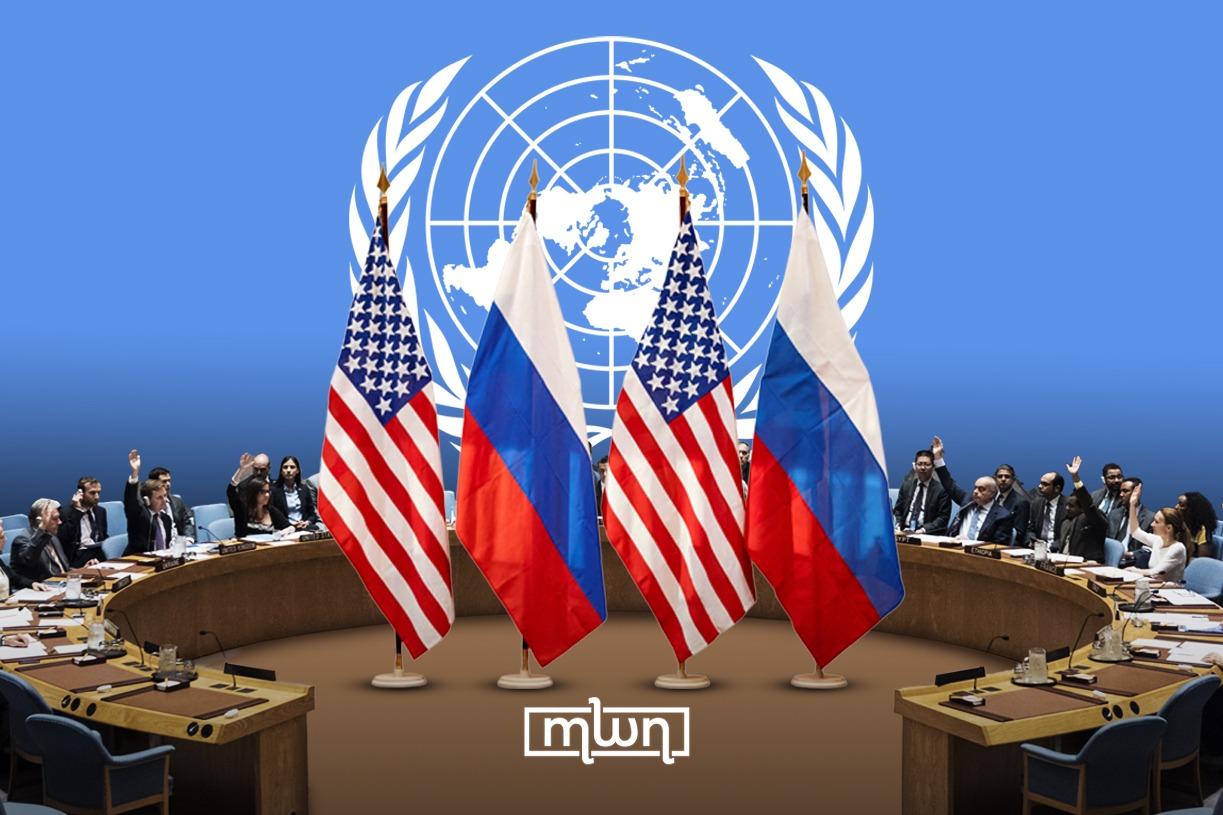
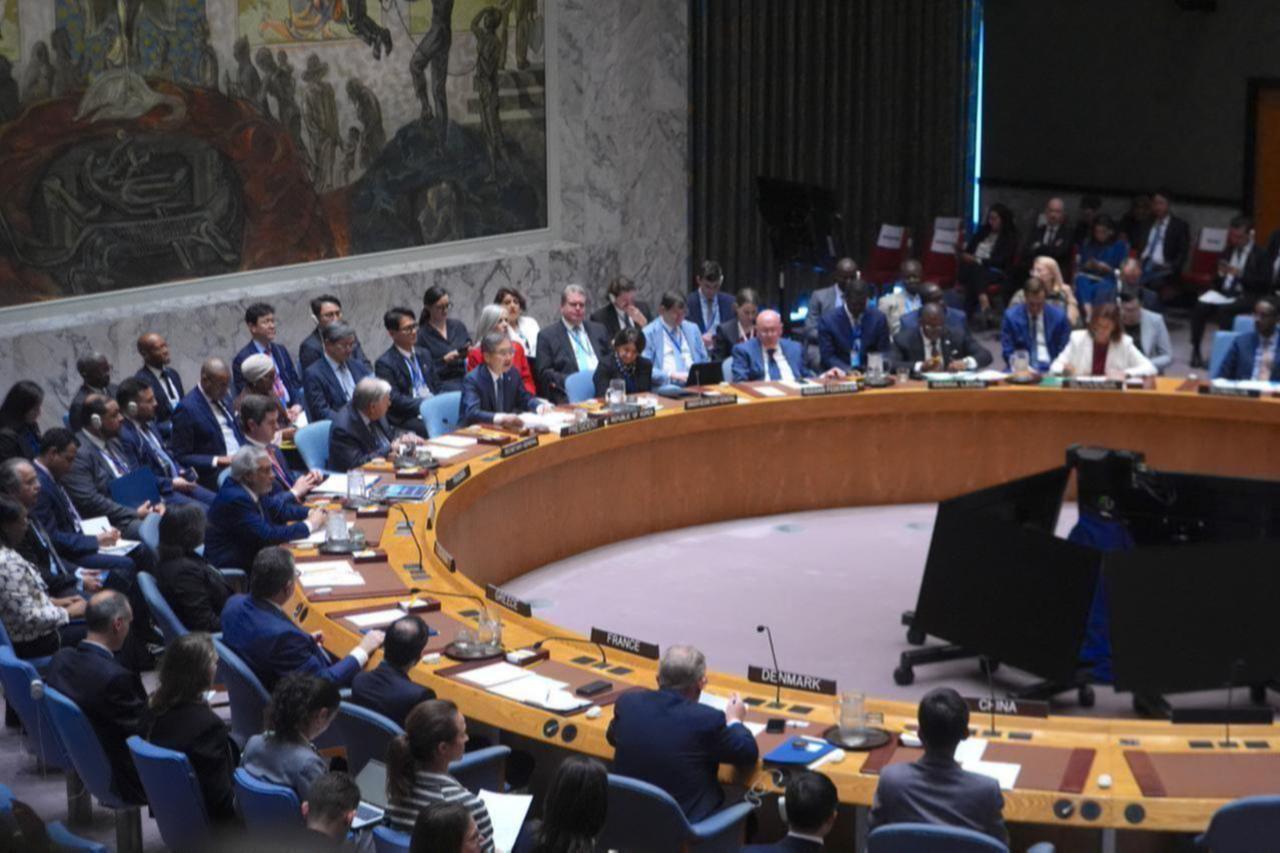
Russia circulated a counter-resolution at the U.N. Security Council challenging the United States' effort to secure backing for former President Trump's 20-point Gaza plan.
“Russia has circulated its own UN Security Council draft on Gaza, challenging a US-drafted resolution that would endorse President Trump’s Gaza peace plan, Reuters reports.”
Moscow said its proposal was "inspired by the US draft" but sought a more balanced approach and explicitly pushed back on the U.S. proposal to establish a U.S.-chaired "Board of Peace."

The American mission warned that failing to adopt its resolution risks "grave" consequences for Palestinians and urged prompt Council action to shore up a fragile ceasefire.
Negotiations were described as ongoing amid strong Russian headwinds.
U.S. Gaza ceasefire plan
The U.S. resolution formally endorses Trump's 20-point ceasefire plan and would establish a two-year transitional 'Board of Peace' to govern Gaza and be chaired by Trump, while authorizing an International Stabilisation Force (ISF) to decommission weapons, protect civilians and secure humanitarian corridors and borders. Washington revised the draft to include language referencing a potential future Palestinian state contingent on Palestinian Authority reforms and Gaza rebuilding. U.S. officials argued the measures are needed to stabilize Gaza and keep the fragile ceasefire intact.
Russian U.N. counterproposal
Russia’s counter-proposal avoids endorsing a U.S.-led governing board and instead asks the U.N. Secretary-General to propose options for an international stabilization force, while reasserting explicit support for Palestinian statehood and calling for Gaza and the West Bank to be united under the Palestinian Authority.
“Russia’s draft, by contrast, explicitly reaffirms support for Palestinian statehood alongside Israel and calls for the West Bank and Gaza to be united under the Palestinian Authority...”
Moscow framed its draft as seeking a stronger Security Council role and a reaffirmation of the two-state solution, positioning it in opposition to elements of the U.S. text that some permanent members and Arab states oppose.
UN draft challenges
Diplomatic calculations and operational concerns complicated U.S. efforts. Western mainstream reports suggested the U.S. draft could secure the nine votes needed for adoption, with Russia and China likely to abstain rather than veto.
West Asian and regional outlets, however, highlighted deep reservations among potential troop-contributing countries and diplomats' questions about Board oversight and ISF details. Those operational worries—some states are reportedly wary of troops coming into direct conflict with Hamas—alongside Russian and Chinese objections limited the U.S. ability to secure unified Council backing.

Council impasse on Gaza
Observers warned of immediate human consequences if the Council did not reach agreement. U.S. diplomats said blocking their draft risked 'grave, tangible, and entirely avoidable consequences' for Palestinians. Regional reporting stressed that Israel had continued attacks inside Gaza since October 10, causing hundreds of Palestinian deaths, facts U.S. officials used to press for rapid adoption.
“The U.S. mission to the UN urged the Security Council to adopt Washington’s ceasefire resolution for Gaza, warning that efforts to derail negotiations would risk Palestinians’ lives and undermine a fragile truce.”
At the same time, diplomats and media raised concrete questions about who would oversee the Board of Peace, how the ISF would operate, and whether the PA could credibly govern Gaza. Those governance and security concerns drove Russia's and other states' opposition and sustained the impasse.