Finance02 July, 20262 min read
Russia Rolls Out Digital Ruble Sept. 1, Central Bank Governor Elvira Nabiullina Says
This article is an automated aggregation of coverage from news outlets. Our editorials offer in-depth analysis curated by the NewsCord team.
Sept. 1 rollout; 12 systemically important banks will support digital ruble transactions. Nabiullina: rollout ready; two-month readiness timeline confirmed by authorities.
.pptx%2520(4).png&w=1920&q=75)
Sept. 1 digital ruble
Russia is on track to roll out its digital ruble on Sept. 1, with Central Bank governor Elvira Nabiullina saying that “everyone is ready” for the launch.
The Bank of Russia’s first deputy governor, Vladimir Chistyukhin, said the law allowing the digital ruble will be enacted on Sept. 1 with a transition period until July 2027.
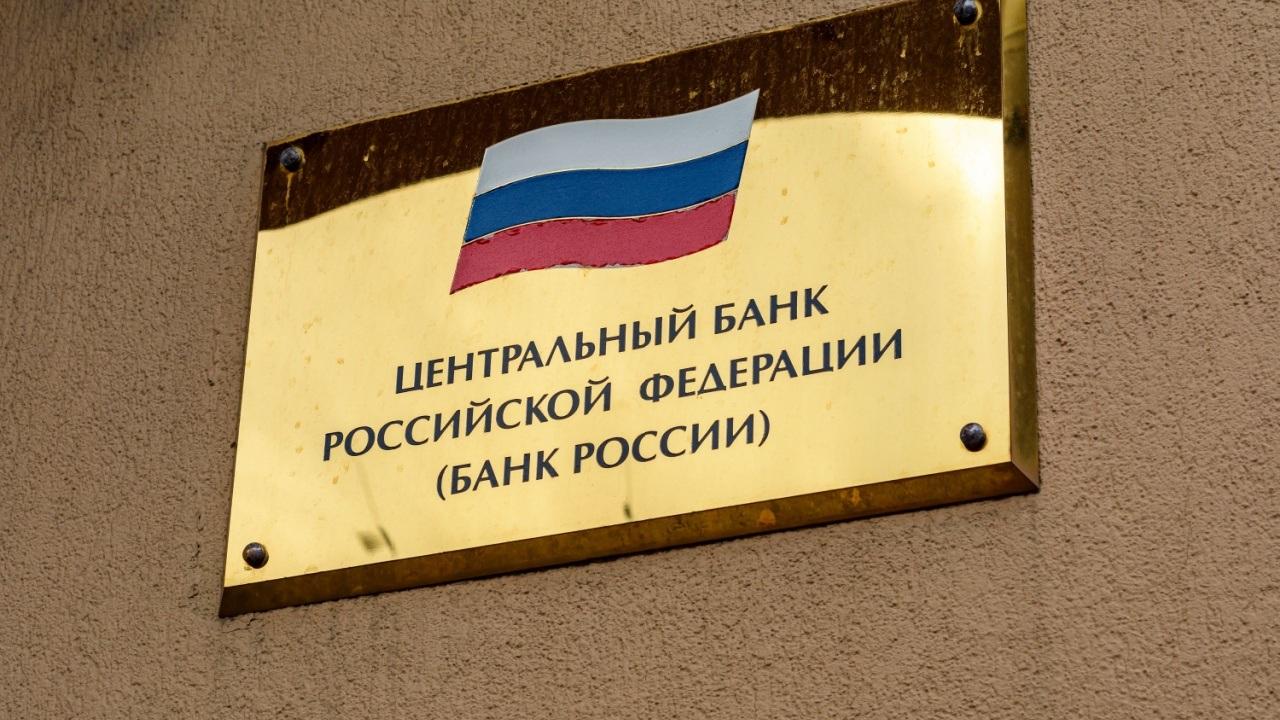
The rollout is framed as a complement to Russia’s fiat currency, the ruble, and will initially be accepted by financial and credit institutions.
In parallel, the European Union has announced restrictions on the CBDC in April, with the European Council saying the sanctions package was in response to Russia’s “war of aggression against Ukraine,” which it started in February 2022.
Banks required, demand limited
Beginning Sept. 1, Russia’s Central Bank said all 12 of Russia's systemically important banks will be required to support digital ruble transactions, and large retailers will also have to accept payments in the new currency.
Central Bank governor Elvira Nabiullina said, “Technologically, everything is ready. We have carried out extensive preparatory work for this stage,” according to state-run TASS.

The Moscow Times reported that a survey by state pollster VTsIOM found most Russians do not understand why they need a third form of money alongside cash and bank deposits, describing the digital ruble as an "abstract" concept.
A separate survey by employment platform SuperJob found that only one in 10 economically active Russians would be willing to receive their entire salary in digital rubles, while another 5% said they would accept part of their wages in the new currency.
EU sanctions and compliance
The European Union adopted its 20th sanctions package against Russia, imposing a blanket prohibition on all crypto asset transactions with any crypto asset service provider established in Russia and Belarus, and adding RUBx and the digital ruble to Annex LIII effective 24 May 2026. TRM Labs said the digital ruble ban is preemptive, closing a circumvention channel before Russia’s planned CBDC rollout in September 2026.
The package also expands the EU’s banned crypto-assets list by placing a transaction ban on the Digital rouble, RUBx, and the Belarusian Digital rouble, while shifting compliance obligations toward counterparty diligence and jurisdictional screening. In the same sanctions context, TRM Labs quoted the EU’s rationale that “any further listing of individual crypto asset service providers is therefore likely to result in the set-up of new ones to circumvent those listings.”