Ukraine War25 September, 20252 min read
Russia Violates NATO Airspace with Multiple Drone Incursions, Prompting Alliance Response
Three Russian MiG-31 jets violated Estonian airspace for about 12 minutes before NATO interception. Russian drones entered Polish, Romanian, Danish, and Norwegian airspace, prompting NATO defensive actions.

29 outlets told this the same way.
Outlets did split on Russian Attack Kills At Least 33 On Two Buses In Kramatorsk →
NATO Response to Drone Incursions
Recent incursions by Russian drones into NATO airspace have heightened tensions between Russia and the alliance. The incidents involved Russian drones entering the airspace of Poland and other NATO countries and have been condemned by NATO as deliberate provocations. NATO has responded by scrambling allied aircraft to intercept the drones and has held emergency consultations under Article 4 of its treaty.
“The incursions are seen as deliberate provocations by Russia, escalating the conflict and testing NATO's response.”
Article 4 allows member countries to request urgent discussions if their security is threatened. These actions underscore NATO's commitment to collective defense and its readiness to use all necessary measures to protect its members.
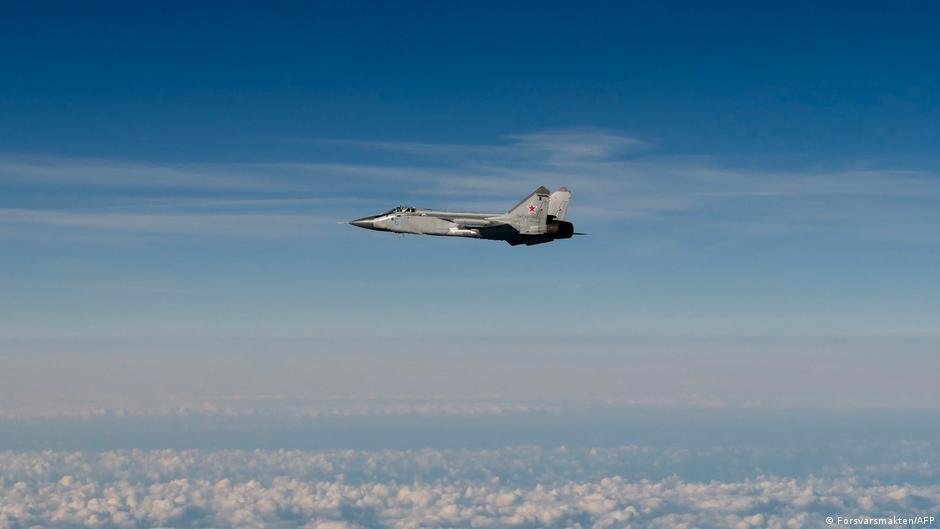
NATO Response to Russian Incursions
The incursions have led to a series of emergency meetings among NATO members, with Estonia and Poland invoking Article 4 of the NATO treaty. This marks a significant escalation, as Article 4 is only invoked when a member perceives a threat to its territorial integrity, political independence, or security.
The North Atlantic Council has condemned Russia's actions and reaffirmed its commitment to defend all member states under Article 5, which considers an attack on one member as an attack on all. This collective defense mechanism is central to NATO's strategy in deterring Russian aggression.
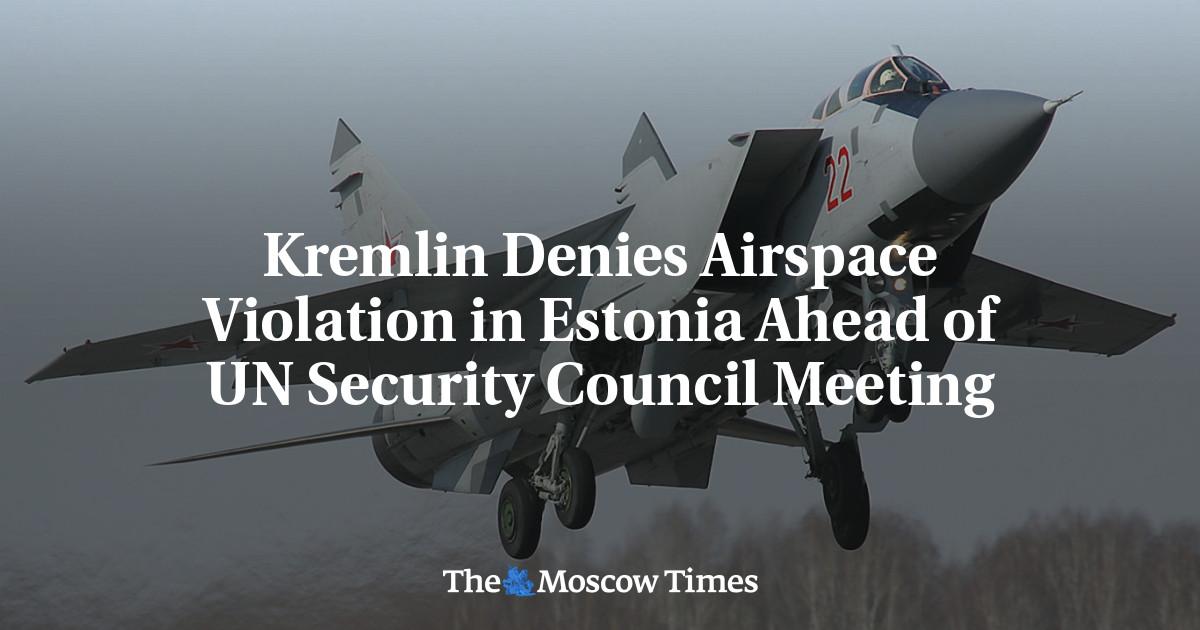
NATO's Response to Russian Actions
NATO has launched Operation Eastern Sentry to strengthen air defenses along its eastern border. This operation is part of a larger plan to deter further Russian provocations and reassure Eastern European NATO members of the alliance's commitment to their security.
“NATO highlighted the launch of its Eastern Sentry mission to bolster air defenses on its eastern flank and reiterated its 'ironclad' collective defense commitment under Article 5.”
The alliance has also reaffirmed its support for Ukraine, stressing that Russian provocations will not diminish its backing of Ukraine's right to self-defense. This position is important as it demonstrates to Russia that NATO remains united in supporting Ukraine despite the ongoing conflict.
NATO Response to Russian Actions
The incidents have sparked a broader debate within NATO about the appropriate level of response to Russian provocations. Some members, like Poland, advocate for a more aggressive stance, including the potential for shooting down violating aircraft. Others call for a more measured approach based on intelligence assessments.
This internal debate reflects the complexity of balancing deterrence with the risk of escalation. NATO seeks to maintain unity among its diverse member states.
