Ukraine War · 01 May, 2026 · 5 min read
Russian Forces Push Toward Kostiantynivka Fortress Belt in Ukraine’s Donetsk Region
Russian forces inch toward Kostiantynivka near the fortress belt in Donetsk. Fortress belt is a heavily fortified defensive line around Donetsk with trenches.
Comment les ‘fortifications/ceinture’ empêchent l’avance russe (encerclement/pénétration) et le temps nécessaire.
8 of 9 outlets skipped it: la ‘kill zone’ est décrite comme un espace ‘parfaitement transparent’ avec surveillance constante par drones, et des fenêtres d’infiltration liées au moment du jour (‘twilight’)..
15outlets compared
Same story, two versions
tap a side to read it in full
Sud Ouest
“« Les troupes russes « n’ont aucun moyen d’encercler ou de pénétrer rapidement » ces fortifications, et il leur faudrait des années pour y parvenir, affirme cet institut. »”Read the original ↗
HHuffPost
“« Les troupes russes « n’ont aucun moyen d’encercler ou de pénétrer rapidement » ces fortifications, et il leur faudrait des années pour y parvenir, affirme cet institut. »”Read the original ↗
Même si les deux articles partagent une formulation proche (attribuée à l’ISW), l’effet narratif diffère : Sud Ouest insiste davantage sur l’impossibilité opérationnelle et la dynamique des négociations, tandis que le HuffPost détaille plus la structure de la ‘ceinture’ (villes, longueur, répartition nord/sud).
Kostiantynivka and the belt
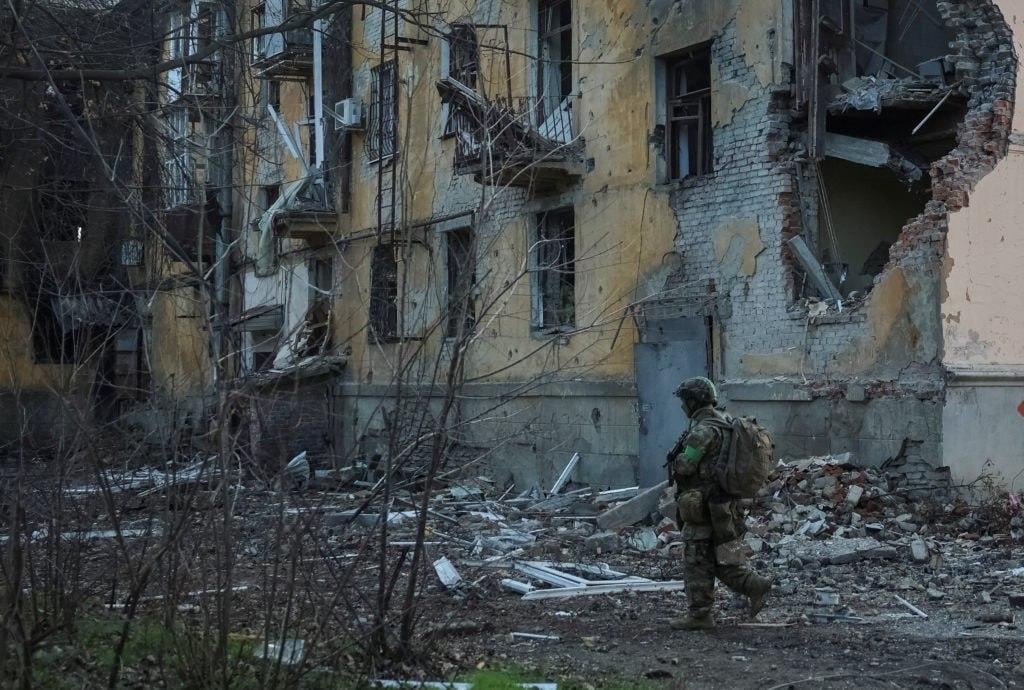
In Ukraine’s eastern Donetsk region, Russian forces are trying to establish a foothold close to a heavily defended area that Ukraine’s top army official described as part of a “fortress belt.”
“counter-sabotage measures”
On Saturday, Oleksandr Syrskyi said on the Telegram app that “counter-sabotage measures” were being undertaken in Kostiantynivka, a city that “forms a so-called fortress belt in the country’s east.”
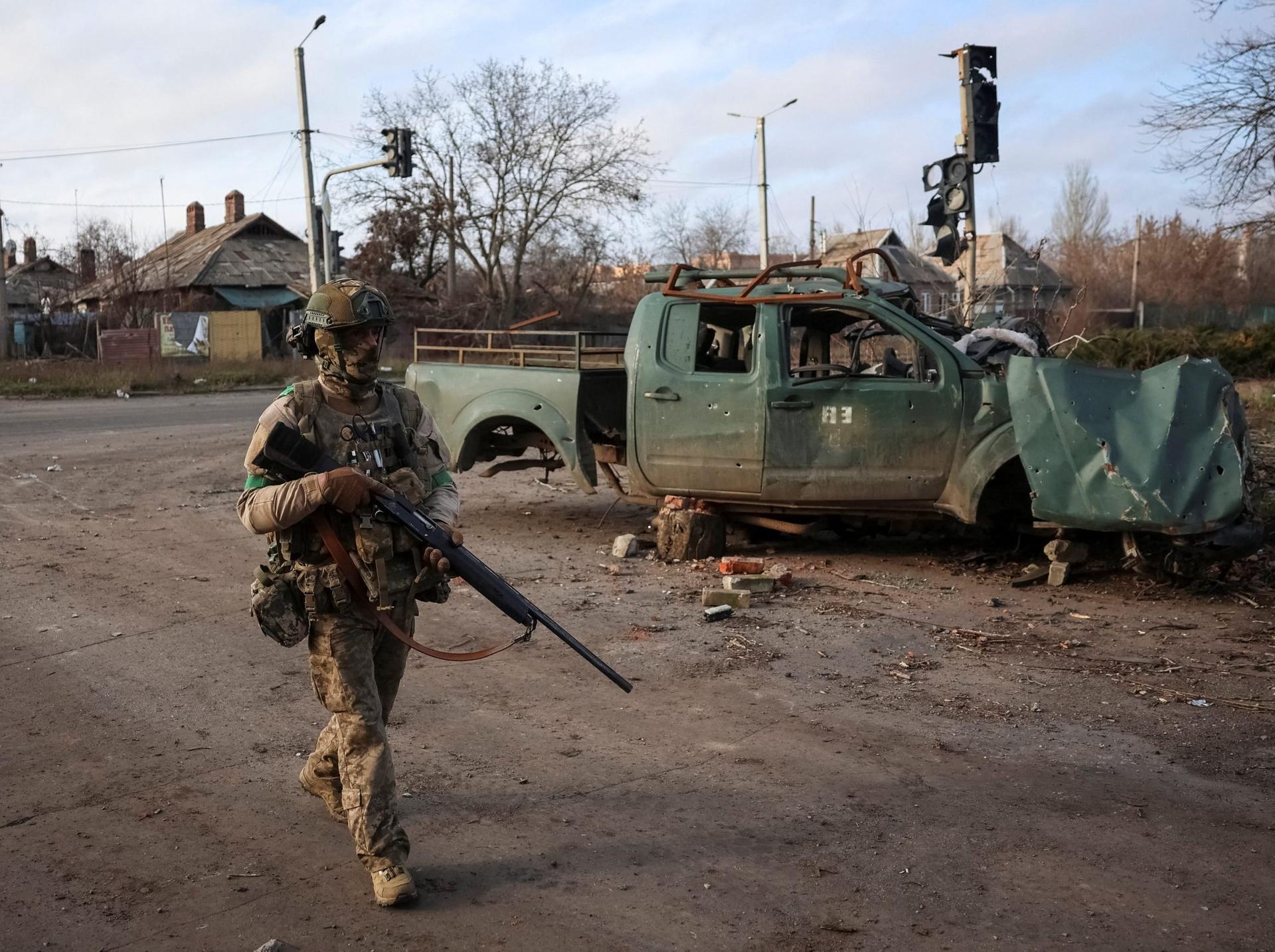
The BBC reports that a fortified belt extends about 50 km across western Donetsk, and that Ukraine has spent “the last 11 years devoting time, money, and effort to strengthening this fortified belt.”
The BBC also ties the belt to specific main urban centers, naming Kramatorsk, Sloviansk, Kostyantynivka and Druzhkivka as part of what Ukraine still controls.
The Independent likewise describes Kostiantynivka as “a city forming part of a heavily fortified ‘fortress belt’,” and says battlefield mapping indicates Russian troops are “approximately one kilometre from Kostiantynivka’s southern outskirts.”
The Independent adds that Syrskyi reported a “significant increase in Russian offensive attempts in April,” with “83 assaults by small infantry groups recorded in the sector since Monday.”
Why Donetsk is defended
Multiple reports frame Donetsk as the most defended part of Ukraine’s eastern line, and they connect that defense to both geography and the long investment Ukraine made since 2014.
Sud Ouest describes Donbass as “au cœur des affrontements depuis le début de l’invasion russe,” and says the region is now central to negotiations led by Washington, with Russia demanding Ukraine cede the territory that includes “globalement les régions de Donetsk et de Lougansk.”S
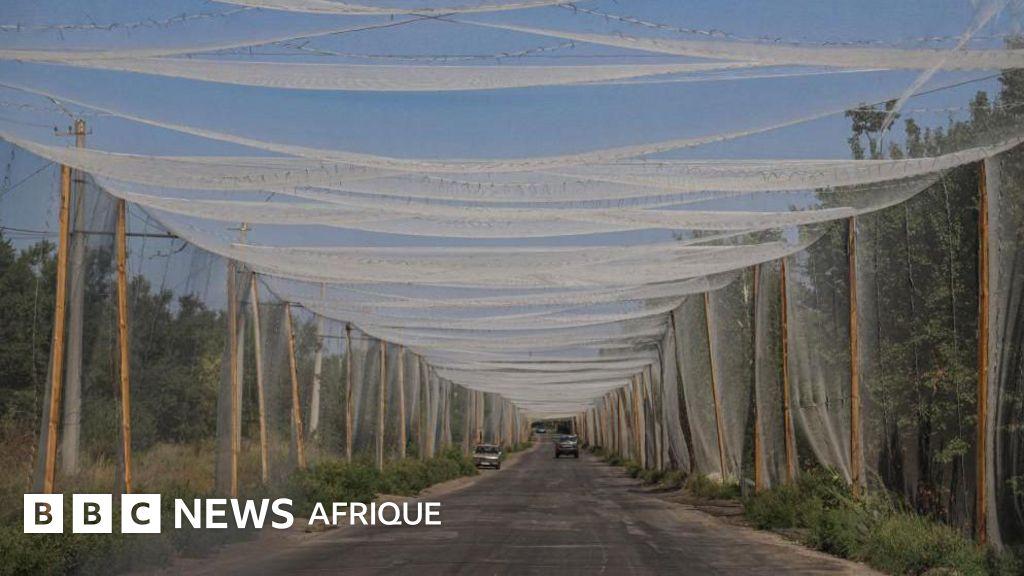
It also explains why Kiev refuses: beyond territory, it is “la portion la mieux défendue du front,” made up of “une ceinture de villes-forteresses et de centaines de kilomètres de tranchées et de champs de mines.”
SWI swissinfo.ch similarly says Ukraine has been building a “fortified belt” since 2014, extending “from the cities of Sloviansk and Kramatorsk in the north to Kostyantynivka and Druzhkivka in the south.”
The BBC adds a topography dimension, quoting Nick Reynolds of the Royal United Services Institute that the terrain is “fairly easy to defend, especially the heights around Chasiv Yar,” while also noting that “the terrain is overall not particularly favorable to the Ukrainians.”
RFI’s account of the fortified belt around Pokrovsk describes it as not a traditional line but a “kill zone,” with a front line “parfaitement transparent, ten kilometers deep,” where “Everything inside it risks being attacked and shot down.”
Voices from the front
Inside the fortified belt, Ukrainian soldiers describe a battlefield where drones, electronic warfare, and narrow windows of movement shape how attacks and defenses unfold.
“a front line perfectly transparent, ten kilometers deep”
In RFI’s report, Dmytro Kushnir, a corporal in the Rubizh Brigade of the Ukrainian National Guard, says the kill zone is “a front line perfectly transparent, ten kilometers deep,” and explains that “To launch an assault, to advance, you have to cross this zone.”
He describes constant surveillance drones: “You have surveillance drones in the air all the time, all the time,” and he says that in command posts “online streams” let commanders “see in real time what is happening across the area under their responsibility.”
Kushnir adds that targeting is immediate, saying “Everything that moves is targeted,” and that “As soon as a tank sticks its head out, all the drone pilots say: ‘I’ll take it! I’ll take it!’”
He also describes the only moments when infiltrations are possible, saying “The only moment when infiltrations are possible into the kill zone is in the gap between day and night, the twilight period.”
He further describes the drone operators as “armed with FPV — First Person View — kamikaze drones piloted with goggles,” and says “Bomb-laden quadcopters are used for logistics” while they must “dodge electromagnetic jamming.”
Negotiations and competing frames
As fighting presses near the fortress belt, the sources also describe how the same geography is being pulled into diplomacy, with different outlets emphasizing different stakes and mechanisms.
Le HuffPost says the Donbass is “au centre des négociations menées par Washington en vue d’un accord de paix,” and it describes Russia’s demand that Ukraine cede “l’intégralité de ce territoire” while Kiev refuses because it is “la portion la mieux défendue du front.”H
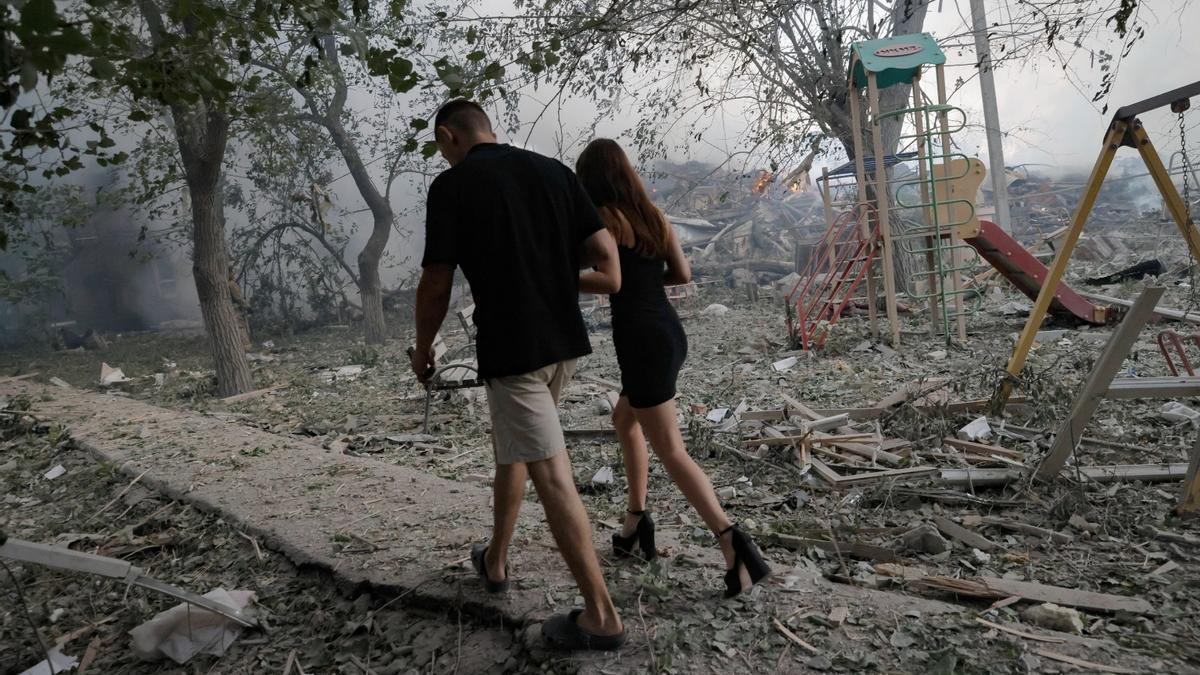
Sud Ouest similarly says Russia, through Sergueï Lavrov, wants Ukraine to cede the territory including Donetsk and Lougansk, and it adds that Lavrov “jette un bémol sur les espoirs de négociations,” insisting first on “un ordre du jour” that Kiev rejects.S
La Libre.be describes a different diplomatic sequence, saying the initial “28-point peace plan” required withdrawal from Donetsk and Luhansk oblasts and that a counterproposal reduced it to “20 points.”
Le magazine GEO frames the issue as a “diplomatic trap,” citing Bloomberg and saying the Kremlin would condition a ceasefire on cession of “all Donetsk and Luhansk oblasts,” incorporating the “fortress belt.”
BBC’s briefing ties the negotiation to a specific offer, saying Putin would like to “freeze the war along the current front line” in exchange for surrender of the rest of Donetsk, while it warns Ukraine would see retreat as “the fall of a bulwark against any future Russian advance.”
Consequences if the belt falls
The sources converge on the idea that losing the fortress belt would carry consequences beyond immediate battlefield losses, affecting security, morale, and the ability to defend further west.
“une porte ouverte pour une future invasion”
Andreas Umland, quoted in Sud Ouest and SWI swissinfo.ch, argues that abandoning Donbas would be “une porte ouverte pour une future invasion” of the rest of Ukraine, and SWI adds that ceding Donbas would “open the door to a deeper invasion of Ukraine in the future.”S

Sud Ouest also says that ceding the zone would place Ukraine in “une position nettement moins défendable que la ligne (de front) actuelle,” and it warns that it could open the way toward “les villes de Dnipro et Kharkiv.”S
BBC similarly describes the military value of the territory as a “bulwark against any future Russian advance,” and it notes that Ukraine still controls about “6,600 square kilometers (2,548 square miles)” in Donetsk, with “Around 250,000 people still live there.”
Le magazine GEO adds a more operational warning, saying that abandoning the fortress belt would push Ukraine’s defensive line back to the borders of Kharkiv and Dnipropetrovsk, terrain “ill-suited for an effective defense,” and it says Ukraine would have to “hurriedly rebuild new fortifications there.”
RFI’s soldier account reinforces the tactical stakes by describing the kill zone as a place where “Everything inside it risks being attacked and shot down,” and it explains that infiltrations are only possible in the “gap between day and night.”