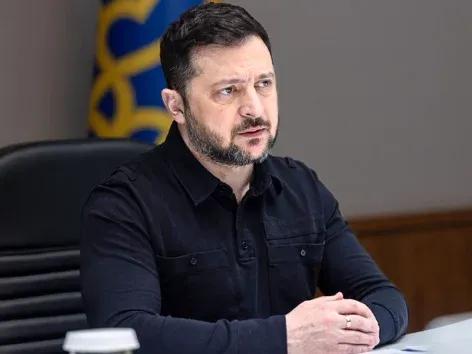
Zelensky Warns of Unusual Activity on Belarus Side of Ukraine Border
Key Takeaways
- Zelensky reports unusual activity along the Ukraine-Belarus border and says Kyiv will respond.
- Belarus is building roads toward Ukraine and deploying artillery positions on the border.
- Kyiv warns Belarus not to join Russia’s invasion.
Border Tensions, Zelensky’s Warning
Ukrainian officials said they saw “unusual activity” and “minor provocations” on the Belarusian side of the Ukraine–Belarus border, prompting President Volodymyr Zelensky to warn that the situation could escalate.
“Ukrainian President Volodymyr Zelenskyy has reiterated warnings to Belarus not to get involved in Russia’s invasion as he reported unusual activity near the shared border between the two”
In a message posted on X, Zelensky wrote: “Yesterday, there was rather unusual activity along sections of the Ukraine–Belarus border – on the Belarusian side,” and added, “Ukraine is ready to defend its people and its sovereignty. Everyone who is being drawn into any aggressive actions against Ukraine must understand this.”

The New York Post report ties the concern to claims that Russia’s ally has increased military activity in recent weeks, including “building roads toward the neighboring war-torn country and setting up artillery positions,” according to Ukrainian intelligence.
The same report says Belarus and Aleksandr Lukashenko are “one of the Kremlin’s most loyal allies,” and that Belarusian territory was used as a staging ground for the launch of Moscow’s full-scale invasion of Ukraine in February 2022.
It also states that Zelensky believes the move is a ruse by Vladimir Putin to draw Ukrainian troops to the northern border as the number of his own forces “dwindle.”
In parallel, other outlets described Zelensky’s posture as one of monitoring and readiness, with Devdiscourse repeating his emphasis that the situation is being closely monitored and that “appropriate measures will be taken if needed.”
Roads, Artillery, and a Possible New Front
Multiple reports connect Zelensky’s warning to specific types of activity described as preparations along the Belarus-Ukraine border, including infrastructure and weapons positioning.
The New York Post says Ukrainian intelligence described “building roads toward the neighboring war-torn country and setting up artillery positions,” and frames this as a sign of escalation for Kyiv in its “four-year long war with Russia.”

Visit Ukraine and L’Indépendant both describe the same core elements—roads toward Ukrainian territory and artillery positions—while adding that Zelensky ordered a “categorical warning” to the “de facto leadership of Belarus.”
L’Indépendant quotes Zelensky saying: “According to the intelligence we have, the construction of roads toward Ukrainian territory and the establishment of artillery positions are underway in the Belarusian border zones,” and it links the movement to a view that Russia could try “to draw Belarus into its war.”
Visit Ukraine similarly states that Ukrainian intelligence data point to “the construction of roads leading directly to the border with Ukraine, as well as the active establishment of artillery positions,” and it characterizes such infrastructure as traditionally preceding “either major provocations or attempts to create a real invasion threat.”
The same Visit Ukraine report says Zelensky told that the Russian command is seeking new ways to create tensions because of “the colossal lack of personnel,” and it describes the increased activity in Belarus as coordinated with Moscow to divert Ukrainian reserves.
L’Indépendant also places the warning in a longer arc by reminding that “Belarus had already served as Russia's rear base during the initial offensive of 2022.”
Zelensky’s Message and Diplomatic Signals
Zelensky’s warning was delivered alongside claims of continued Ukrainian control on the front and a diplomatic effort aimed at Belarus’s leadership.
“14 settembre 2025 La memoria carica di sangue delle terre contese tra Russia ed Europa Lorenzo Cremonesi / CorriereTv Viaggio lungo la linea della frontiera tra Polonia, Ucraina e Bielorussia dove ieri come oggi si snoda la memoria dolente dell'Europa”
The L’Indépendant report says Zelensky first stressed that “his troops are able to stabilize the front,” quoting him: “The sustained pace of eliminating the occupiers continues in April. The Russians are not able to take the initiative on the front,” before turning to the Belarus border.
It then quotes Zelensky’s assessment that “We are also observing attempts to regroup the occupying forces, most likely to compensate for manpower shortages,” and it frames this as explaining why “the reasons for the intensification of military activity in Belarus are becoming increasingly evident.”
In the same account, Zelensky says he has “given instructions so that the appropriate channels are used to warn the de facto Belarusian leaders of Ukraine's determination to defend its territory and independence,” and it presents the warning as firmness in response to Kyiv’s interpretation of Russia’s maneuver.
Visit Ukraine similarly states that Zelensky “announced that he had already given a direct order through the appropriate diplomatic and special channels to transmit a categorical warning to the de facto leadership of Belarus.”
A separate report, AnewZ, describes Zelensky’s video statement as emphasizing monitoring and control, quoting him: “We are closely monitoring the situation, keeping everything under control, and will respond if necessary,” and adding that Ukraine is prepared to defend sovereignty and people.
AnewZ also includes a diplomatic thread, saying Zelensky confirmed a phone call with Slovak Prime Minister Robert Fico and that they discussed “bilateral cooperation and European support measures for Ukraine.”
Poland’s Security Posture and Humanitarian Tensions
While Kyiv framed the Belarus border as a potential escalation point, Poland’s border authorities and political leadership described a parallel shift toward militarized readiness and heightened security measures.
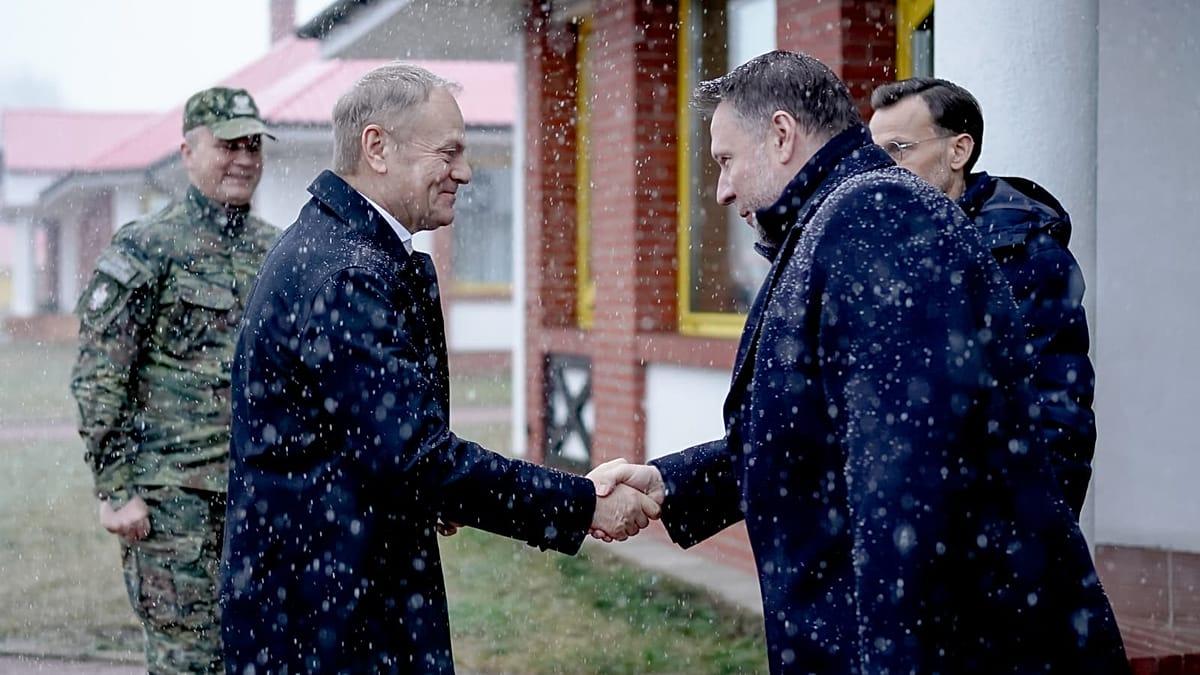
Euronews reports that a new observation tower has been built in Ozierany, “a few kilometers from the Poland–Belarus border,” and that Interior and Administration Minister Marcin Kierwiński said the system will host “the system’s first artillery cluster designed to strengthen Poland’s eastern border defense, with particular focus on the drone threat.”

Euronews adds that the announcement came during an on-site briefing with Prime Minister Donald Tusk and says the system will be “up and running as early as January.”
During the same visit, Tusk said, “Thanks to them, everyone else can spend Christmas safely at home,” and Euronews reports that “more than 6,000 people — including over 4,000 soldiers and hundreds of Border Guard and Police officers — will spend Christmas Eve on duty along the border.”
Euronews also provides a humanitarian counterpoint, stating that “Rescuers speak of bodies found in the forest,” and it cites that by July 2025 the Border Guard and the Prosecutor’s Office had confirmed “at least 10 bodies of foreigners,” while the NGO “We Are Monitoring” counts “14 cases in 2025.”
The same report says activists describe a situation where Belarusian authorities are said to have moved migrants away from border areas, concentrating them near Minsk and Grodno, but leaving them “in a stalemate — unable to cross and without access to temporary protection procedures.”
In a separate RSI report, a man living “one kilometer from the border” said, “I think Poland will be the next country to be attacked,” and another resident described fighter aircraft flying at low altitude as “No one knew what was happening. Obviously I’m worried.”
Different Frames: Drones, Migrants, and EU Support
The sources present sharply different angles on the same broader security environment along Poland’s eastern frontier, ranging from drone incidents and NATO readiness to organized migrant smuggling and EU financial planning.
“New observation towers and anti-drone systems at the Polish-Belarusian border”
RSI describes a night of September 9–10, 2025 when “19–23 drones, likely of Russian origin, breached Polish airspace,” entering from Belarus and Russia, and it says they penetrated “hundreds of kilometers,” causing “minor damage” to homes in Wyryki and Czosnówka “with no casualties.”
RSI reports that Poland invoked NATO Article 4 and triggered a QRA alert with “Polish F-16s, Dutch F-35s, German Patriots, and an Italian AWACS,” and it adds that “3–4 were shot down, mainly by the Dutch,” while Minister Sikorski is cited as suggesting the drones carried “no explosives” and appeared to be “a Russian test of NATO’s reaction.”
By contrast, Europa Today focuses on a criminal network that moved migrants from Belarus and Russia into the EU, saying Polish border guards “ha individuato e sgominato una rete criminale” and that operations took place “tra il 14 e il 16 ottobre,” leading to “11 arresti.”
Europa Today details that the Europol task force included authorities from Austria, Repubblica Ceca, Germania, Ungheria, Lituania, Polonia, Slovacchia e Ucraina, and it says the network recovered money from “circa 600 migranti,” with “commissioni pari a circa 5mila euro a persona,” plus “altri 500 euro agli autisti in Polonia.”
Les Echos shifts the frame again to EU policy, describing a Commission strategy adopted on Wednesday that allows regions along the borders with Russia and Belarus to obtain more favorable loans, and it says the EU’s eastern regions run along “3,500 km” of borders with Russia and Belarus and “1,500 km” with Ukraine.
Les Echos also states that Brussels aims to secure “28 billion euros in additional funding” through a facility named “EastInvest,” and it quotes Raffaele Fitto describing how places once designed for tourism or cross-border trade have been redirected toward “dual-use activities related to security, humanitarian support logistics, and drone manufacturing.”
What’s at Stake Next
The next steps described across the sources revolve around deterrence, border closures and training, and continued institutional responses to both military and migration pressures.
In the RSI account, after the September 9–10 drone incursion, it says “Poland invoked NATO Article 4, triggering a QRA alert,” and it reports that “On September 12, Poland brought the case to the UN Security Council, which warned of escalation risks,” followed by the decision that “In response, Warsaw closed the border with Belarus and received anti-drone training from Ukraine.”
The same RSI report describes Poland’s “East Shield” project, saying “The border is monitored 24 hours a day, with cameras every 100–200 meters,” and it adds that “We can intervene quickly at every illegal entry,” quoting Ewelina Lewkowicz of the border guards.
Euronews similarly portrays a continuing escalation of security posture, stating that the observation tower system will be “up and running as early as January,” and it reports that nearly “30,000 attempts to illegally cross the border have been thwarted.”
On the Ukrainian side, Zelensky’s warning is framed as a readiness to respond if necessary, with AnewZ quoting him: “We are closely monitoring the situation, keeping everything under control, and will respond if necessary,” and with the New York Post quoting him that “Everyone who is being drawn into any aggressive actions against Ukraine must understand this.”
Les Echos places the stakes in EU financial and infrastructure terms, saying the Commission wants to modernize transport networks along heavily monitored borders and to “ensure the right to stay” of populations, while also noting that the regions cannot expect more money from the current budget “(2021-2027).”
Europa Today adds a parallel stake in law enforcement and cross-border crime control, describing how Europol’s task force and national authorities produced “11 arresti” and how the network involved “circa 600 migranti,” with payments “pari a circa 5mila euro a persona.”
More on Ukraine War
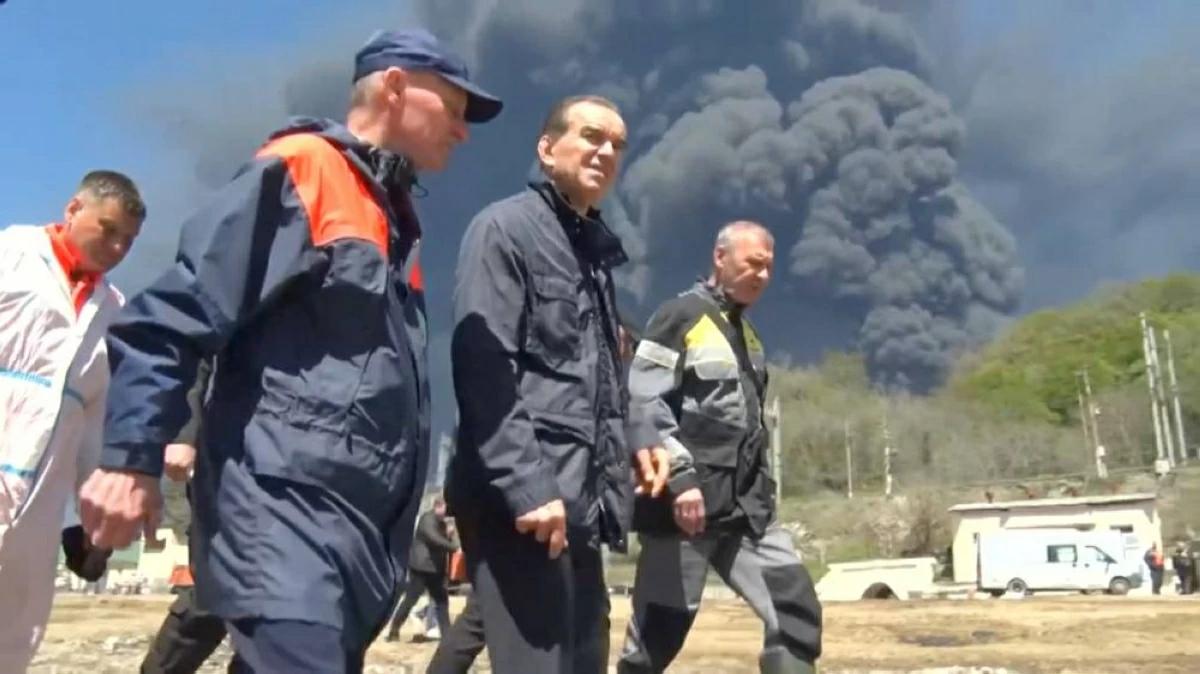
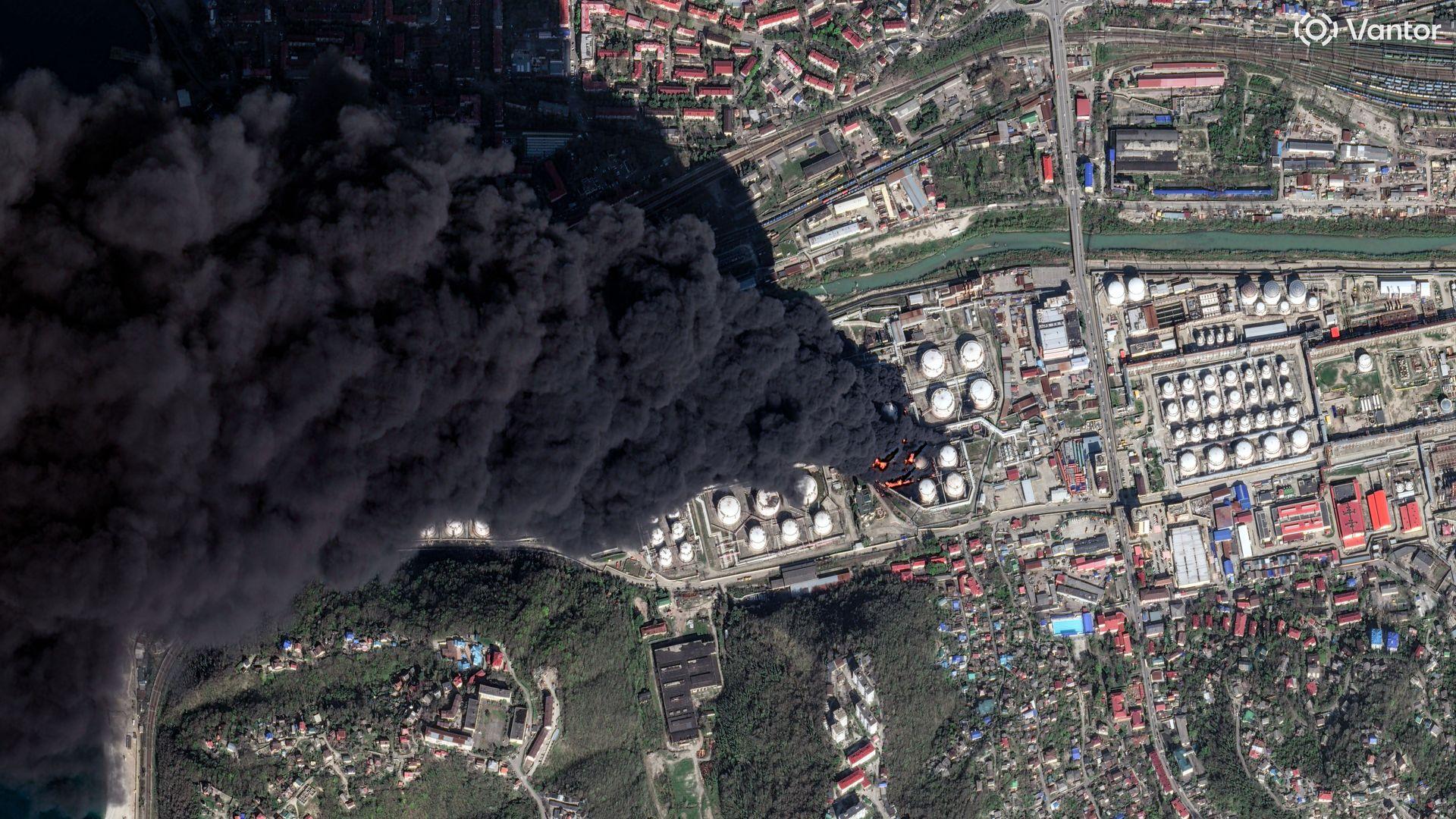
Ukraine Strikes Russia’s Tuapse Oil Facilities For Fourth Time
18 sources compared
Zelensky Announces Major Armed Forces Reform as Putin Proposes Short Ceasefire
17 sources compared

Ukraine Says Vessel Panormitis Carrying Stolen Grain Won’t Unload in Israel
13 sources compared
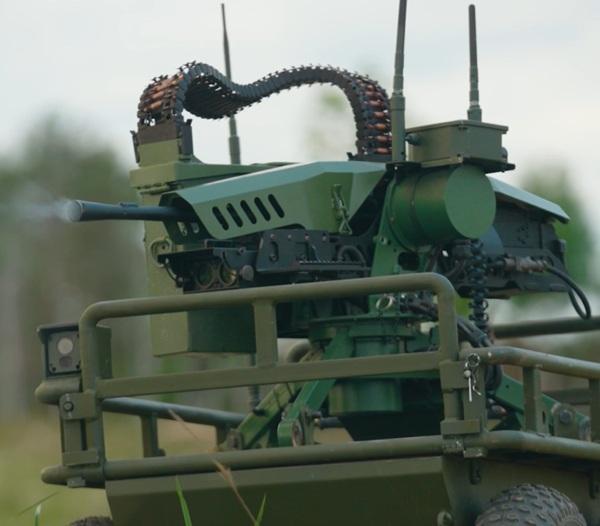
Ukraine’s 3e Brigade d’assaut Uses Unmanned Ground Robots for Logistics and Evacuating Wounded
17 sources compared