Ukraine Strikes Russia’s Tuapse Oil Facilities For Fourth Time
Key Takeaways
- Ukraine strikes Tuapse oil facilities for the fourth time.
- Drones target Russian oil infrastructure across regions, including Perm and Urals.
- Smoke plumes visible from space; pollution and oil-spill risks reported.
Tuapse strikes, again
Ukrainian forces struck Russia’s Tuapse oil facilities for a fourth time, according to Radio Free Europe/Radio Liberty, which said the attacks hit the Russian Black Sea port of Tuapse “early on May 1” and came “a day after launching drones at a Russian oil facility some 1,500 kilometers from the Ukrainian border.”
“Russia and Kyiv exchange accusations over targeting energy facilities, following Ukrainian attacks on the Russian Tuapse port on the Black Sea”
The same report framed the action as part of “a series of long-range strikes by Kyiv targeting Russian energy facilities,” with the headline noting “Ukraine Strikes Russia's Tuapse Oil Facilities For Fourth Time” on May 02, 2026.
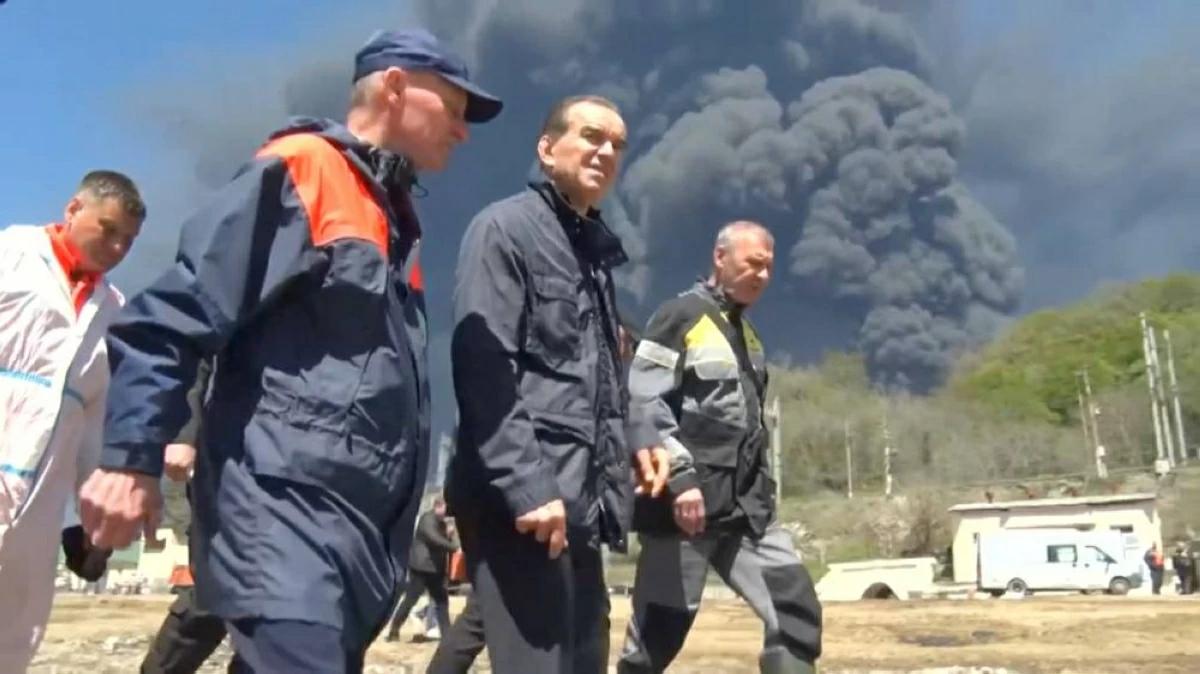
The Economic Times described the Tuapse attacks as hitting “the oil refinery and export terminal in the Black Sea town of Tuapse on four occasions in just over two weeks,” producing “fires that prompted local evacuations and sent up massive plumes of smoke.”
The Economic Times also put Tuapse “roughly 450 kilometres (280 miles) from the front lines,” emphasizing the distance from combat zones.
United News of Bangladesh similarly said “Ukrainian drones struck an oil refinery and export terminal four times within just over two weeks,” and added that the attacks “triggered fires, forced evacuations and sent thick smoke into the sky.”
In parallel, the Economic Times reported that Ukraine also said it hit “an oil pumping station in Russia’s Perm region, more than 1,500 kilometres (900 miles) from Ukraine, on consecutive days,” extending the pattern beyond the Black Sea.
The same Economic Times account tied the campaign to pressure on Moscow’s energy funding, describing the attacks as aimed at cutting Russia’s oil exports, while noting that “the overall economic impact remains uncertain.”
How the campaign escalated
Multiple reports placed the Tuapse strikes inside a broader escalation that began in March and then intensified across different Russian regions.
The Economic Times said Ukraine’s drones hit the Tuapse refinery and export terminal “on four occasions in just over two weeks,” and it also referenced earlier strikes elsewhere, including “Ust-Luga on the Baltic Sea, one of Russia's largest oil and gas export terminals, was hit three times in the space of a week in late March.”

It added that “It is more than 800 kilometres (500 miles) away from Ukraine,” while also describing how regional officials around St. Petersburg declared the area a “front-line region” due to aerial threats.
United News of Bangladesh echoed the pattern by listing “Ust-Luga on the Baltic Sea” as being “targeted three times within a week in late March,” and it described the St. Petersburg region as a “front-line area” because of “increasing aerial threats.”
Les Echos described a diplomatic opening alongside intensification, quoting Zelensky’s offer of “a ceasefire limited to energy infrastructure between Kyiv and Moscow,” transmitted “through the Americans,” while also saying that “During the night from Sunday to Monday, strikes again targeted the Ust-Luga sector on the Baltic.”
Les Echos further specified that “The port had already been the target of at least five attacks between March 22 and 31,” and it quantified damage by saying “Eight oil-product tanks, each with a capacity of 30,000 cubic meters, were damaged.”
RFI described the same logic of retaliation and targeting, saying “Since March, Ukraine has intensified its strategy of targeting oil facilities in Russia,” and it tied the approach to a proposed “energy truce” after Zelensky said, “If Russia is ready to stop striking our energy sector, we will be ready to do the same.”
Statements from Kyiv and Moscow
The reporting also captured how Kyiv and Moscow framed the attacks and any potential restraint.
“It has been a prime target in Russia for the Ukrainian army in recent days”
Les Echos quoted Volodymyr Zelensky renewing an offer of “a ceasefire limited to energy infrastructure between Kyiv and Moscow,” adding, “This proposal was transmitted to the Russian side through the Americans,” and it said “Moscow did not respond.”
RFI similarly described Zelensky’s energy-truce proposal and quoted him directly: “If Russia is ready to stop striking our energy sector, we will be ready to do the same,” following a speech on Monday, April 6 after Zelensky “formally proposing to Moscow an energy truce.”
On the Russian side, the Russian President Vladimir Putin complained about the surge in attacks on civilian infrastructure, saying “drone attacks are increasingly being carried out against civilian infrastructure,” in a meeting on security issues ahead of parliamentary elections scheduled for September, according to بوابة الشروق.
The same report said Putin spoke of “potentially serious consequences” for the environment, while denying “there is currently a serious risk to residents,” and it said he stressed that “authorities have the situation under control after his call with Krasnodar region governor Veniamin Kondratyev.”
The Economic Times described Putin’s stance on the Tuapse strikes as warning of “serious environmental consequences” while insisting things were under control, and it added that officials warned residents about benzene levels and urged them to limit time outdoors.
The Economic Times also included a Kremlin spokesperson’s assessment of protection efforts, quoting Dmitry Peskov that Russian authorities were mounting “intense” efforts to protect energy infrastructure but could not “guarantee 100% the safety of these facilities against such terrorist attacks,” as reported by Les Echos.
Environmental and human impact
Beyond the strategic aim of disrupting energy exports, the sources described environmental and local consequences around Tuapse and beyond.
The Economic Times said the Tuapse attacks “spark[ed] fires that prompted local evacuations and sent up massive plumes of smoke,” and it reported that after the April 18 strike, “boiling oil products had spilt onto the street, damaging cars,” as shown in a video posted by local Gov. Veniamin Kondratyev.
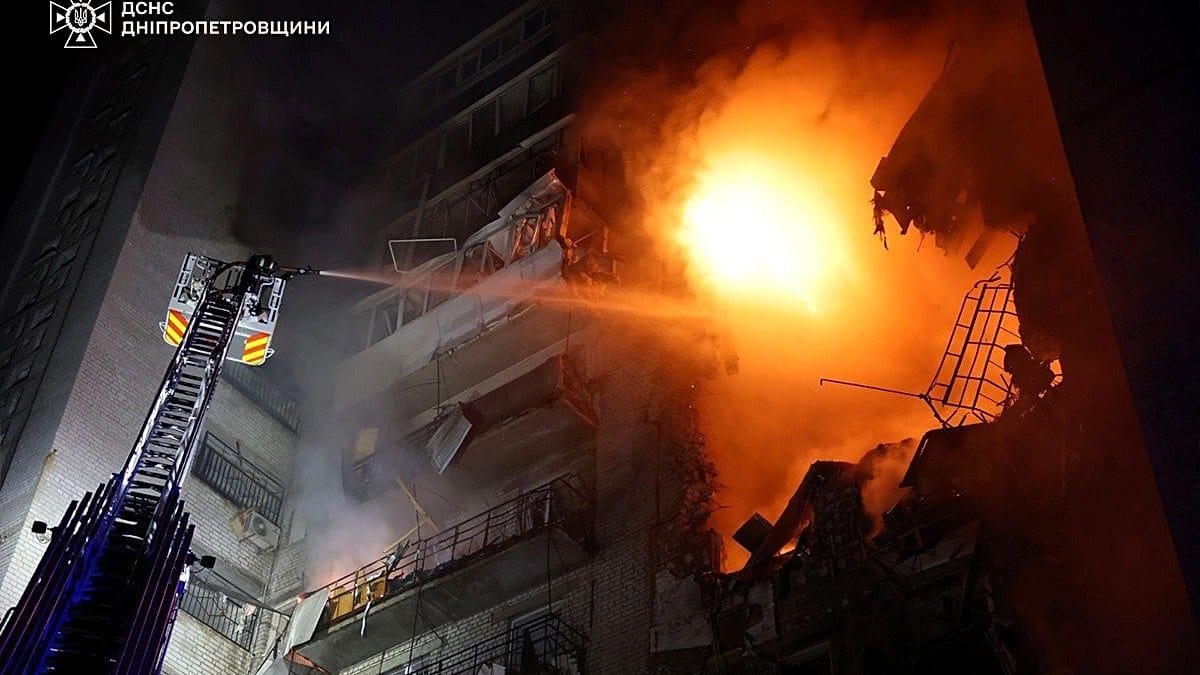
United News of Bangladesh likewise said that after one of the strikes on April 18, “burning oil spilled onto nearby streets, damaging vehicles,” and it described Tuapse as “about 450 kilometers from the front lines.”
It also reported that Russian officials recorded “high levels of benzene, a carcinogen found in oil products,” and advised residents to “stay indoors,” while locals reported “black rain,” with “oily droplets falling from the sky.”
The Economic Times added that “Residents also widely reported
paragraphs2?
More on Ukraine War

Zelensky Warns of Unusual Activity on Belarus Side of Ukraine Border
13 sources compared
Zelensky Announces Major Armed Forces Reform as Putin Proposes Short Ceasefire
17 sources compared
Ukraine Says Vessel Panormitis Carrying Stolen Grain Won’t Unload in Israel
13 sources compared

Ukraine’s 3e Brigade d’assaut Uses Unmanned Ground Robots for Logistics and Evacuating Wounded
17 sources compared