Full story
Missile Crater in Poland
A Russian Kh-101 cruise missile crashed in a field in eastern Poland near the village of Tarnawa Kolonia during a large-scale Russian attack on the cities of Lviv, Kyiv and near Kryvyhi Rih, leaving a 10m-wide (33ft) crater and no casualties reported in the Thursday incident.
“in all probability a Russian cruise missile”
Polish Prime Minister Donald Tusk said the object was “in all probability” a Russian cruise missile, and he added that there was “no reason to think Poland was the intended target” as investigators looked into how it ended up within Polish and Nato airspace.
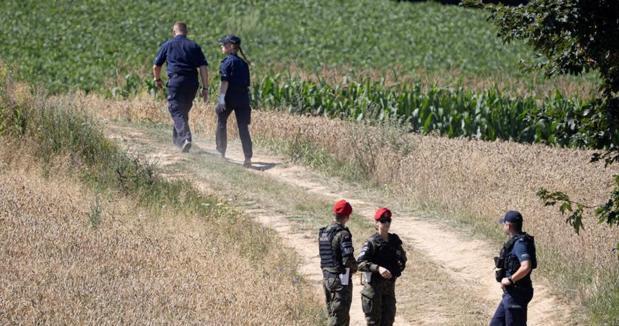
BBC reported that Tusk initially said “all the indications” pointed to a Russian Kh-101 cruise missile during a specially convened meeting in the eastern city of Lublin, and then he went to the site where military experts said “the majority of ‘recovered fragments point to it being a Russian Kh-101 missile’.”
Nato said it was in close contact with Polish authorities, and Supreme Allied Commander in Europe Gen Alexus G Grynkewich said the Western defensive alliance would “continue to take all necessary measures to defend Nato territory.”
Kyiv, NATO, and Scrutiny
Ukraine’s acting Foreign Minister Andriy Sybiha declared definitively that a Russian Kh-101 cruise missile had “crossed into Poland as part of Russia's massive strike against Ukraine, violating Nato airspace,” while the BBC said the Polish leader met Ukrainian President Volodymyr Zelensky in Lublin the previous evening as Zelensky was returning from talks with US President Donald Trump.
The Guardian’s live blog said the missile crashed in an uninhabited rural area and “caused no casualties,” and it quoted Nato’s position that it would “take all necessary measures to defend Nato territory” as investigators worked out how it entered Polish and Nato airspace.

Straight Arrow reported that Polish armed forces were investigating how the object entered Polish territory and crashed, and it said Tusk told X that “During the Russian massive missile attack on western Ukraine, a violation of Polish airspace occurred.”
Business Insider said NATO and Poland activated air and ground defenses “in response to a Russian missile of currently unknown type that entered Polish airspace” and crashed inside the country, with US Army Col. Martin O'Donnell citing the response to the breach.
Ukraine Toll and Next Steps
While the Poland crash itself was described as causing no casualties, the BBC said at least eight people died and dozens more were wounded across Ukraine, including six members of one family in a village near Kryvyhi Rih, and it added that dozens more were wounded in Lviv.
“At least eight people died and dozens more were wounded across Ukraine”
ABC News reported that Russia launched 74 missiles into Ukraine overnight and that the Ukrainian air force said Russia launched 284 drones and 70 missiles, while it said Zelenskyy blamed “insufficient or delayed” air defense supplies for deaths across Ukraine.
CBS News said the Russian ballistic missile and drone barrage killed at least eight civilians, including children, and it described NATO member Poland as looking into reports that a Russian cruise missile entered its airspace during the onslaught and fell on its territory.
In Poland, the incident prompted investigation and readiness, with ABC News saying the Polish prime minister convened a team to investigate the incident and that the Operational Command detected “an unidentified object moving westward” in Polish airspace, then dispatched an F-16 and later located “the probable crash site” near Tarnawa-Kolonia in the Lublin Voivodeship.