Africa04 May, 20267 min read
Russia’s Africa Corps Pulls Out of Kidal After Separatist Attacks
This article is an automated aggregation of coverage from news outlets. Our editorials offer in-depth analysis curated by the NewsCord team.
Attacks by jihadists and Tuareg rebels struck northern Mali, destabilizing the junta. Defense Minister Sadio Camara was killed during the Saturday attacks.
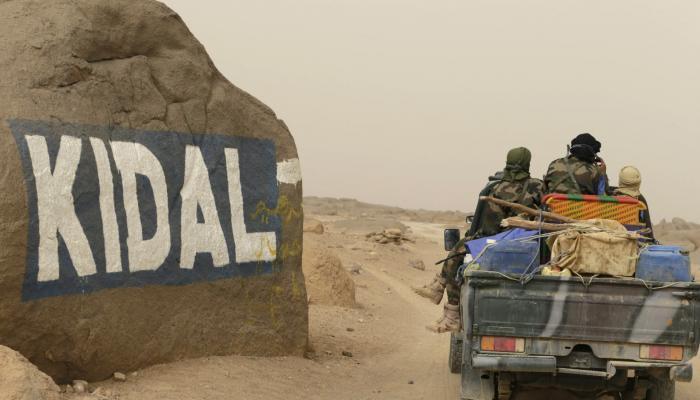
Kidal retreat after attacks
Russian fighters from the Kremlin-controlled Africa Corps pulled out of northern Mali’s town of Kidal after a wave of separatist attacks, a move described as one of the most significant defeats since they arrived in the country five years ago. The BBC News Russian account says the attacks were coordinated by Tuareg and jihadist separatist forces at the end of April and pushed the Africa Corps out of Kidal, a major stronghold. It adds that paramilitaries’ capture of Kidal in 2023, in collaboration with the Malian army, was one of Russia’s major successes in Mali and helped prop up Assimi Goita’s military junta.
The same source says the attacks began across Mali on April 25 and targeted the capital Bamako as well as several other cities and towns, with the first openly cooperative action against their common enemy occurring at the end of last month. It also reports that while the Africa Corps launched air strikes and used attack helicopters against rebel troops near Bamako, the paramilitary confirmed it had pulled out of Kidal.

In parallel, the Al Ain News report says separatists seized the strategic northern city of Kidal two days after clashes with the army, and that “the rebels also announced an agreement calling for the withdrawal of Russian troops from the Africa Legion from Kidal.” The BBC News Russian account further states that General Oumar Diarra, the junta’s chief of staff, confirmed on April 26 that the Malian army had left Kidal and that its forces were regrouping in Anefis, about 62 miles to the south.
Timeline and competing narratives
The sources place the Mali violence within a tightly defined escalation window, beginning with coordinated attacks across Mali on April 25 and culminating in the retreat from Kidal announced after heavy fighting. BBC News Russian says the offensives were “one of the largest offensives against the Goita-led junta that has held power since 2021,” and it links the fighting to a broader security crisis that began after French forces were driven out following a coup. It also reports that Malian Defence Minister Sadio Camara was killed in combat north of the capital on April 26, while the Africa Corps launched air strikes and used attack helicopters against rebel troops near Bamako.
The Al Ain News report describes Saturday’s violence as a “bloody day of violence not seen since 2012,” and it says an attack on the town of Kati killed at least 23 civilians and military personnel, citing a medical source who asked not to be named. It further says that “official Russian news agencies citing the Defense Ministry on Tuesday said that their forces prevented militants from carrying out an attempted coup in Mali,” while also adding that the Africa Legion “continues its duties in Mali and is ready to repel any further attacks.”

Reuters is cited in Masrawy as confirming the death of Defense Minister Sadio Camara, with Reuters reporting that the attack targeted his home and was carried out by elements believed to belong to jihadist groups. France 24 then describes the aftermath as a national tribute paid on Thursday, April 30, in Bamako, and it says Camara was killed on Saturday in Kati by a vehicle-borne suicide attack driven by a kamikaze targeting his residence.
Voices: junta, rebels, Russia
As the Africa Corps withdrew from Kidal, the sources show competing voices describing what the retreat meant and who controlled the narrative.
BBC News Russian quotes General Oumar Diarra, the junta’s chief of staff, confirming on state television on April 26 that “the Malian army had left Kidal and that its forces were regrouping in Anefis, about 62 miles to the south,” and it says a day later the Africa Corps confirmed the retreat through its Telegram channel.
That Telegram channel reported that Russian troops had left Kidal along with the Malian army “in accordance with a joint decision by the republic’s leadership.”
The BBC account also includes a rebel spokesman: Mohamed Elmaouloud Ramadan, a spokesman for the Tuareg Front for the Liberation of Azawad (FLA), told the BBC that the junta’s army and the Russians who supported it were “leaving Kidal forever” and that “Kidal is now free.”
The same BBC source adds that an FLA field commander said the group had been preparing for the offensive “for months,” and it reports that fighters were looking to capture further locations, including the cities of Gao and Timbuktu.
Al Ain News says the separatist Tuareg rebels of Azawad announced on Sunday that they had gained full control of Kidal, and it also says they announced an agreement calling for the withdrawal of Russian troops from the Africa Legion from Kidal.
In a different framing, Al Ain News reports that Russian official agencies cited the Defense Ministry as saying their forces prevented an attempted coup and that the Africa Legion “continues its duties in Mali and is ready to repel any further attacks.”
France 24 adds a domestic political voice by describing a high-security national tribute in Bamako on April 30, where Prime Minister Abdoulaye Maïga said, “You fell as a martyr. You went out as a hero,” while Assimi Goïta paid homage to Camara by bowing before his coffin.
How outlets frame the same events
The sources diverge in how they interpret the retreat from Kidal and the broader meaning of the April 25 attacks, even when they describe overlapping facts. BBC News Russian characterizes the withdrawal as a major defeat and says it could prompt questions about “the benefit of continued cooperation with the Kremlin,” while also reporting that analysts said the withdrawal suggested intelligence failures on the Russian side. It also describes the Africa Corps’ claimed removal of “heavy equipment” from the base ahead of withdrawal, but it says clips shared by rebel troops showed armoured personnel carriers, patrol vehicles and jeeps left behind.
By contrast, Al Ain News emphasizes a Russian narrative of preventing an attempted coup and frames the Africa Legion as continuing duties and readiness to repel further attacks. It also provides a different casualty and violence framing by citing a medical source for Kati and by describing the day as “not seen since 2012.” Ouest-France frames the situation through five questions and says the attacks “deeply weakened the military junta in power,” while describing the alliance as “opportunistic” and highlighting that the Tuareg rebels of the Azawad Liberation Front (FLA) and the jihadists of JNIM allied because they have a common enemy.

Masrawy, citing Reuters and Le Figaro, focuses on the death of Sadio Camara and describes the attack as targeting his home, while also stating that JNIM claimed responsibility and described the operation as a “victory.” France 24, meanwhile, emphasizes the national tribute and the political symbolism of Camara’s death, reporting that the funeral took place in the presence of the defense ministers of Niger and Burkina Faso and that two days of national mourning were declared.
What comes next for Mali
The sources portray immediate consequences for Mali’s security posture and for Russia’s role, with the Kidal retreat and the death of Defense Minister Sadio Camara presented as linked shocks. BBC News Russian says that while Russian and Malian personnel were negotiating their exit from Kidal with their Malian allies, the withdrawal left uncertainty about both Goita’s future and Moscow’s continued role in Mali, with sources and analysts telling BBC News Russian that both look uncertain. It also reports that analysts said the withdrawal could prompt questions about the benefit of continued cooperation with the Kremlin, and it describes how verified videos located to the base by BBC Verify showed military vehicles evacuating before the withdrawal announcement.
Al Ain News says calm returned on Monday to Bamako and Kati, with schools and offices reopening in Bamako and army checkpoints on roads leading to military bases and the airport dismantled, while the area around the airport in remote Seno (Sino) Province was quiet. France 24 adds that the death of Camara “casts doubt on the junta’s ability to face the threats from armed groups,” and it says the strategic northern city of Kidal is now under the control of armed groups that appear to continue advancing in the north. It also reports that on Tuesday, Assimi Goïta stated that the situation was now under control while acknowledging a moment of extreme gravity, and it includes the FLA spokesperson’s AFP interview response that “the regime will fall sooner or later,” saying the situation is far from under control.
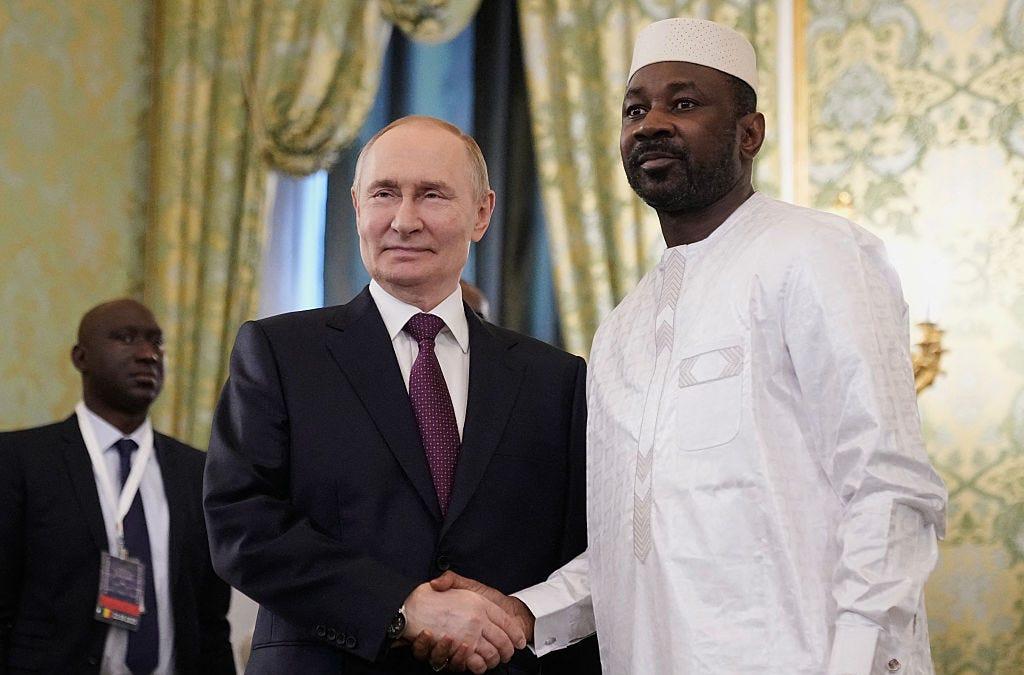
Africtelegraph frames the stakes as an operational and political vacuum, saying Camara’s death leaves “an operational and political vacuum at the heart of a regime already weakened,” and it links that to Bamako preparing large-scale operations against katibas affiliated with Jama'at Nasr al-Islam wal-Muslimin (JNIM) and the Islamic State in the Sahel. Al-Jazeera Net further ties the consequences to regime stability, saying the loss of Mali’s five strongest figures in the military council left “a cornerstone of the young generals’ camp in pieces,” while also emphasizing the survival of Assimi Goita and the challenges of military victories turning into repeated defeats.