Saudi Arabia, UAE, and Turkey Push Logistics Corridors To Bypass Strait of Hormuz
Key Takeaways
- Gulf states accelerate overland and rail routes to bypass Hormuz.
- Logistics corridors using rail, ports, and pipelines to bypass Hormuz.
- Experts say these bypass plans are far off due to geographic and economic constraints.
Hormuz Crisis Drives Reroutes
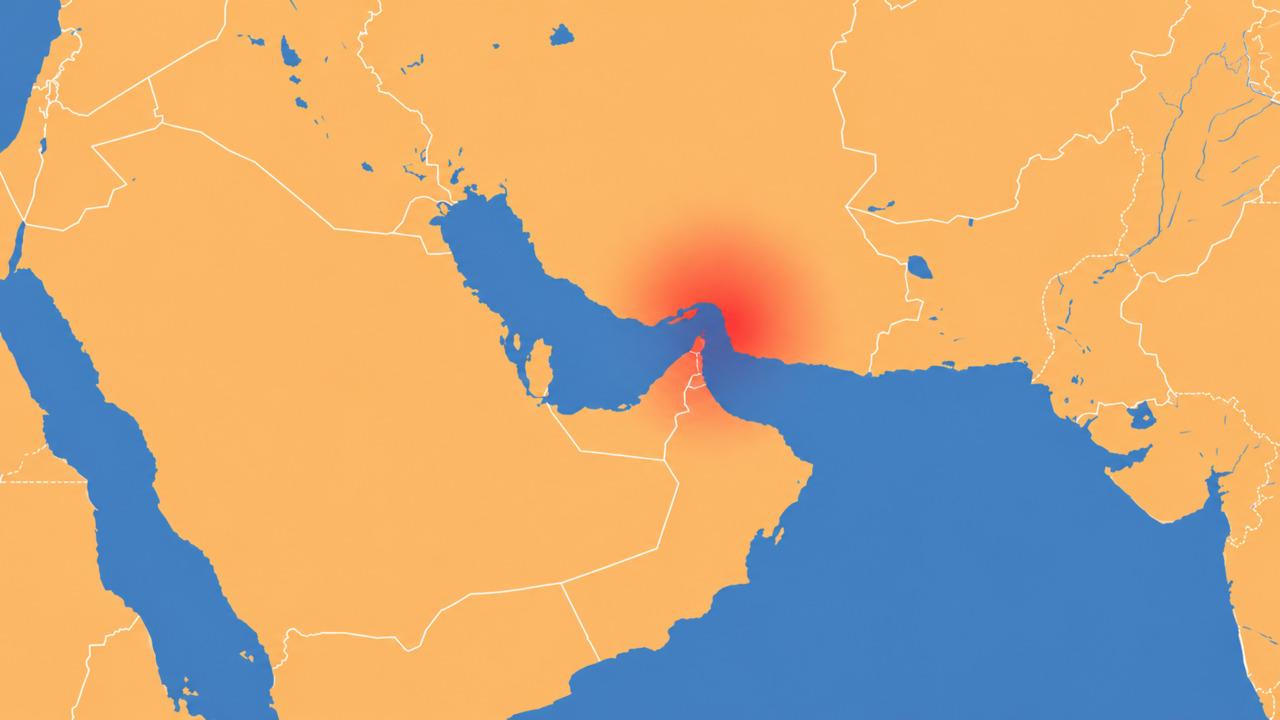
Iran’s role in the Strait of Hormuz has become central to a regional logistics scramble as Gulf states accelerate plans to reduce dependence on the chokepoint.
“Gulf countries' plans to bypass Hormuz still far off, experts warn The war in the Middle East has forced the Gulf monarchies to rethink their oil and trade routes, but rerouting them will be no simple task, experts say”
DW frames the shift as a response to “the disruption of navigation in the Strait of Hormuz following the military escalation,” pushing Gulf states to “accelerate logistical cooperation and seek alternative export routes.”

The South China Morning Post, as cited by News18, says governments led by Saudi Arabia, the UAE and Turkey are “working on overland rail links, sea-land corridors and pipeline projects to reduce reliance on routes passing through the Strait of Hormuz and the Red Sea.”
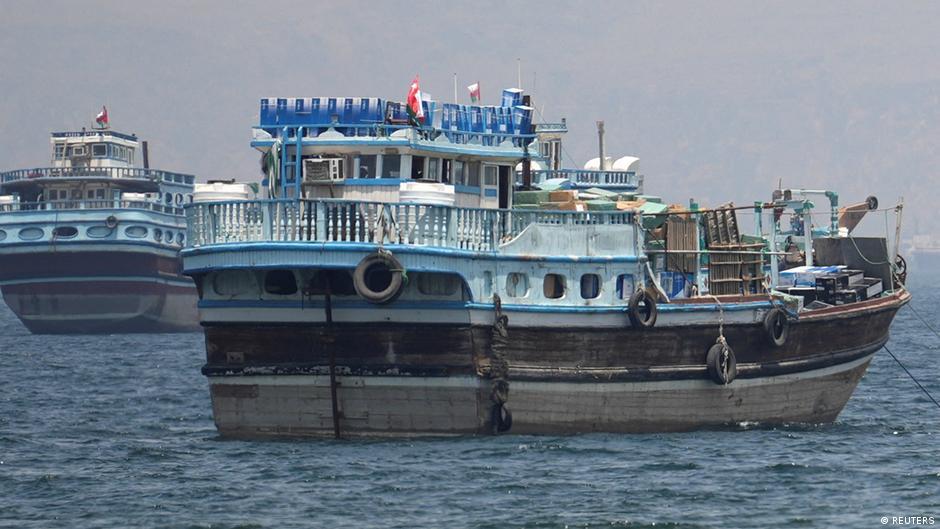
The same News18 report describes proposed routes for cargo movement from ports in the UAE and Oman “outside the Persian Gulf,” transported by rail through Saudi Arabia to Jordan, and then onward to the Mediterranean via Egypt’s Suez Canal or Syrian ports.
It also says “Some links are already operational,” including “Sea-land corridors connecting UAE ports such as Fujairah and Khor Fakkan to Saudi ports” and rail services to Jordan launched earlier this year.
In parallel, News18 says Saudi Arabia introduced “a cargo service from its Neom port linking the Suez Canal to Gulf countries and Iraq.”
The Al-Monitor piece adds that the Strait of Hormuz is “the only maritime entry point to the Gulf,” and that rerouting is constrained by geography and economics.
Together, the reports depict a practical effort to keep trade and energy flowing while Iran-linked disruptions reshape how the region moves goods.
What Gulf States Say They Want
In the reporting, Gulf officials and strategists describe a goal of escaping what they call strategic dependence on a narrow sea corridor.
Al-Monitor quotes Badr Jafar, the UAE’s special envoy for business and philanthropy, writing in the Financial Times in early April that the Gulf states would never “return to a posture of strategic dependence on a narrow strait controlled by an unpredictable neighbour.”
He insists that “new pipeline and port capacity would be built” and that “the power grids, water systems and trade corridors connecting the region's economies ... formalised.”
News18 similarly depicts the effort as a move to “bypass vulnerable Gulf sea lanes and secure trade and energy routes,” accelerating “rail, port and pipeline projects.”
The South China Morning Post, as cited by News18, describes the push as a “structural shift” away from dependence on “vulnerable Gulf infrastructure,” and it says the shift follows “attacks and blockades that affected maritime trade.”
DW also frames the strategic logic through Badr Jaafar’s argument that reliance on a narrow sea corridor under the influence of a “strategically unstable state” is “no longer a safe option.”
Al-Monitor adds that the Gulf’s Arab nations are looking for ways to bypass “Tehran's stranglehold on their exports.”
At the same time, the sources emphasize that the alternatives are not simply a matter of willpower, because capacity and timing constraints persist.
Experts: Time, Costs, and Limits
Multiple reports stress that bypassing Hormuz is far from straightforward, even for states with partial pipeline options.
“Saudi, UAE And Turkey Eye Alternate Route To Bypass Hormuz And Start New Logistics Corridor Saudi Arabia, the UAE, Turkey and other Middle Eastern states speed up rail, port and pipeline projects to bypass vulnerable Gulf sea lanes and secure trade and energy routes Amid the ongoing tension between Iran and US, the Middle Eastern countries are now accelerating plans to build alternative trade routes and energy networks after disruptions to key shipping lanes during the recent conflict in the region”
Al-Monitor explains that Kuwait, Qatar and Bahrain “have no coastline outside the Gulf and no alternative to the strait for seabound oil and gas,” while Saudi Arabia and the UAE “both have pipelines allowing them to ship at least some of their output from ports beyond Hormuz.”
It adds that these pipelines “only cover a fraction of the two nations' pre-war exports and would need to be expanded if either country wanted to completely end their reliance on the Strait of Hormuz.”
Robert Mogielnicki of the Arab Gulf States Institute in Paris is quoted saying building new pipelines “will take time” and that such infrastructure “would still possess vulnerabilities.”
For liquefied natural gas, Al-Monitor quotes Frederic Schneider, a senior fellow at the Middle East Council on Global Affairs, saying building alternative natural gas infrastructure would likely prove “economically unattractive.”
Schneider argues that “The distances, political complexity, and cost make it unattractive against LNG tankers in normal conditions,” and that “normal conditions are what pipeline economics are built on.”
On land transport, Al-Monitor says the Gulf’s major container ports are mostly on its southern shores, with ships diverted to Oman and Saudi Arabia’s Red Sea coast, but “overland capacity is limited while costs are significantly higher.”
DW similarly notes that “Finding new export routes takes a long time and requires substantial investments,” and that land transport costs are “much higher than sea transport.”
Rail, Ports, and the Hejaz Revival
The sources also lay out concrete infrastructure concepts and named projects that Gulf states are pursuing to create alternative nodes for trade and energy.
News18 says sea-land corridors are being built, naming “UAE ports such as Fujairah and Khor Fakkan to Saudi ports,” and it says rail services to Jordan were launched earlier this year.

It also says Saudi Arabia introduced “a cargo service from its Neom port linking the Suez Canal to Gulf countries and Iraq.”
News18 further reports that Saudi Arabia, the UAE, Turkey and Jordan have initiated plans to revive the historic Hejaz Railway connecting “Jeddah to Istanbul via Amman and Damascus.”
At a “recent GCC summit in Jeddah,” News18 says leaders agreed to “fast-track a regional railway network linking Saudi Arabia with the UAE, Qatar, Oman, Kuwait and Bahrain.”
The same report describes parallel discussions to build a “multi-country network of oil and gas pipelines, along with electricity transmission lines and desalinated water systems.”
Al-Monitor adds that one possibility for boosting land-based transport capacity is the GCC planned rail network, “supposed to link all six member states by 2030,” but it says the project has been “plagued by delays.”
DW adds that the Gulf states are using container ships diverted to “alternative ports in Oman or the western coast of Saudi Arabia,” with goods later transported by land.
Can Hormuz Be Replaced?
While Gulf states pursue alternatives, the sources repeatedly argue that Hormuz cannot be fully substituted in the near term.
“Despite their ingenuity, efforts remain unable to absorb the enormous volumes that underpin global stability”
DW says “the capacity of these routes remains limited,” and it emphasizes that major projects like “the Gulf railway network still face delays despite earlier plans to complete them by 2030.”

The Al-Monitor analysis warns that the rerouting effort collides with “economics, politics and regional diplomatic rivalries,” and it quotes Mogielnicki saying building pipelines “will take time” and “still possess vulnerabilities.”
It also quotes Schneider warning that “This fiscal crisis only intensifies the intense, beggar-thy-neighbour, zero-sum economic rivalry that has marked GCC national economic policies for years.”
In parallel, Al-Monitor notes that the India-Middle East-Europe Economic Corridor idea remains “tenuous, if not hypothetical,” including because it would involve linking Saudi Arabia with Israel at a time when Riyadh has cooled on establishing diplomatic relations with Israel.
Mont Carlo International adds that the Strait of Hormuz “formerly carried about 20 million barrels per day,” and it calls the alternatives “limited and costly,” saying Saudi Arabia redirected “between 60 and 70 percent of its exports through an old pipeline to the Red Sea.”
It also says Abu Dhabi “kept part of its flows via the Gulf of Oman,” but that these “remain transitional and do not eliminate the structural dependence on the Strait.”
The Al-Rai report describes a “near-total closure of the Strait of Hormuz” and says it equals “20% of global consumption,” while also citing the International Energy Agency drawing “400 million barrels from strategic reserves” as a temporary remedy.
More on Iran
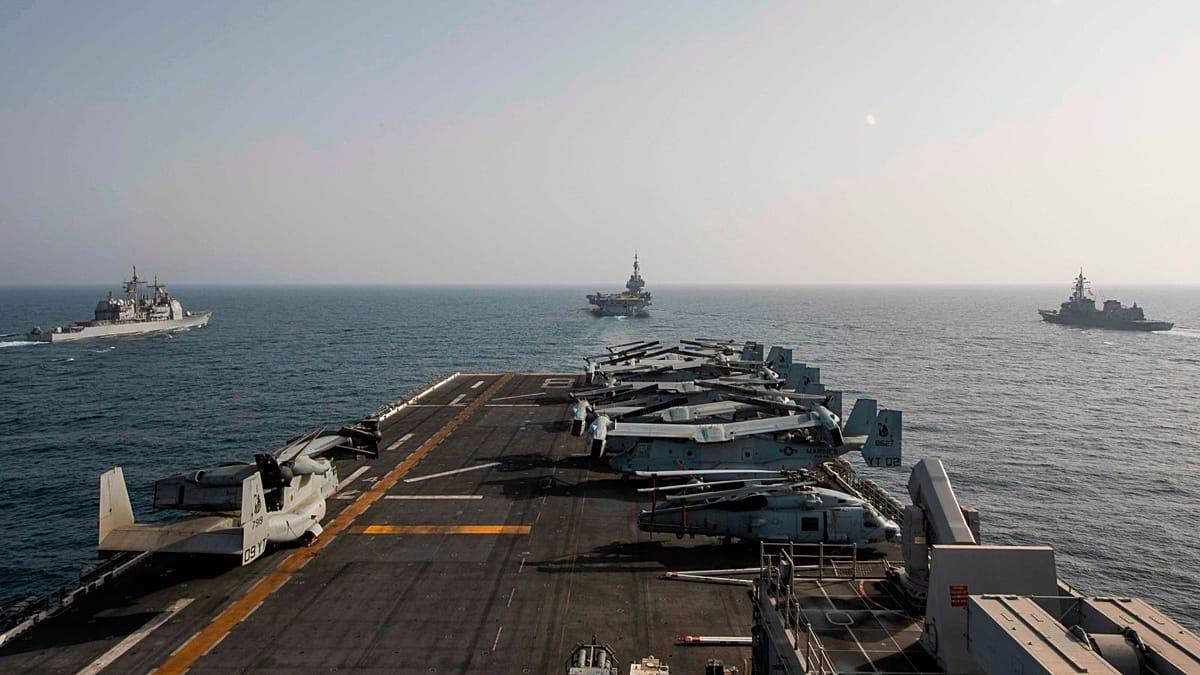
Pentagon Says U.S. Blockade In Strait Of Hormuz Cost Iran $4.8 Billion In Lost Oil Revenue
28 sources compared

Reuters Investigation Links Nobitex Founders Ali And Mohammad Kharrazi To Sanctioned Entities
11 sources compared

Donald Trump Reviews Iran’s 14-Point Proposal, Threatens New Strikes If Tehran Misbehaves
31 sources compared

Donald Trump Reviews Iran’s 14-Point Peace Proposal, Says Iran Has Not Paid Enough Price
26 sources compared