South America · updated 1h ago · 3 min read
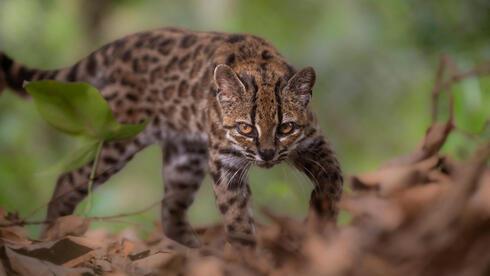
Scientists Identify Leopardus tilcayo, Bolivia’s First New Cat Species in Over a Century
Leopardus tilcayo identified in Bolivia's Yungas cloud forest as a new wild cat. First new living cat species described in over a century.
Whether the discovery is treated as car-naming trivia.
9 of 11 outlets skipped it: naming preserves the local word tilcayo without known meaning.
25outlets compared
Same story, two versions
tap a side to read it in full
The Autopian frames the discovery as car-naming culture. Scientific American and others frame it as a formal genomic species discovery.
New cat named in Bolivia
Scientists have identified Leopardus tilcayo, a small wild cat in Bolivia’s Yungas cloud forests, as the first new living cat species formally named and described in more than a century.
“"This time, it’s a cat. That’s really novel. And it hasn’t happened in 100 years,"”
The cat, called Tilcayo by local communities, was described in the journal Current Biology on Thursday, and researchers said it measures about 18 inches (46 cm) long and weighs around 3 pounds (1.4 kg).

NBC News reported that Paola Nogales-Ascarrunz, a National Geographic Explorer who co-authored the study and leads a wild cat conservation program called Programa de Investigación de Félidos Bolivia, said, "This time, it’s a cat. That’s really novel. And it hasn’t happened in 100 years,".
Reuters said the discovery came after researchers used genetic data to confirm the cat is a new species and gave it the scientific name Leopardus tilcayo, retaining its local name.
Reuters also quoted Jonas Lescroart of the University of Antwerp in Belgium saying, "Our information at this moment is limited to the two live individuals that we examined, and a small number of camera-trap records."
How the discovery was made
Researchers said the tilcayo was brought into the Senda Verde Wildlife Sanctuary near La Paz after a man living in a community in the forest near La Paz mistook it for a domestic kitten and fed it noodles, rice and eggs before realizing it was wild.
Paola Nogales-Ascarrunz told NBC News, "I saw this cat. It was really, really small, and I couldn’t believe how small it was," and she said she thought it was a kitten.
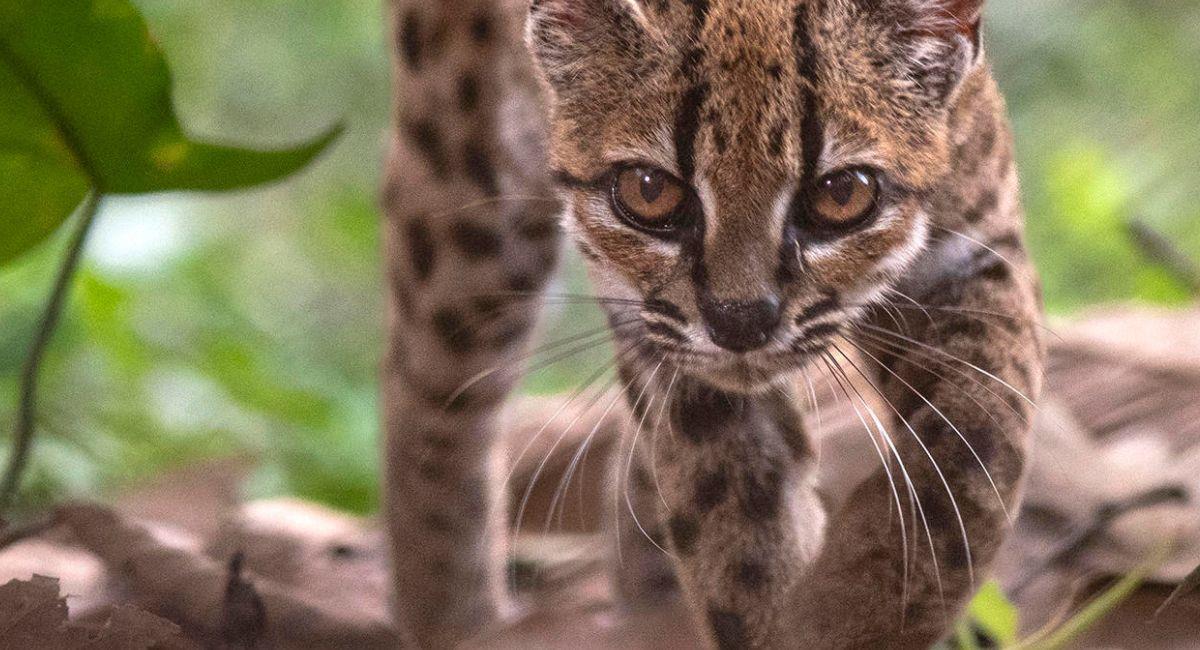
Reuters reported that the team analysed DNA from 38 cats sampled across several South American countries, including eight museum specimens, and found that tiger cats are five genetically distinct species.
Reuters said the tilcayo lineage separated from other tiger cats about 1.4 million years ago, and it quoted Lescroart saying, "The more differences in their DNA, the longer the time that we estimate those lineages to have been physically separated,".
The study also described a new tiger cat subspecies in Peru’s Yungas, naming it Leopardus tigrinus antisuyo after Antisuyu, the region of the old Inca Empire that included the area it inhabits.
Conservation stakes in the Yungas
The discovery is tied to conservation concerns because the International Union for Conservation of Nature, or IUCN, Red List currently treats tiger cats as two vulnerable species with declining populations, while the researchers said they shared their findings with the IUCN for an upcoming review.
“"We really don’t know how many cats are still in the wild,"”
Reuters said the upcoming review will assess the five lineages separately, and it quoted Lescroart saying that could give a more accurate picture of risk and that species such as the Tilcayo could potentially be considered endangered when assessed on their own.
NBC News reported that Nogales-Ascarrunz said, "We really don’t know how many cats are still in the wild," and she said, "We need science, we need more studies to answer this question, which is actually critical for its conservation."
Reuters described the Yungas as one of the region’s most threatened ecosystems, with growing pressure from deforestation, agricultural expansion, human-caused fires and mining.
Nogales-Ascarrunz said restoring forest patches damaged by fires, protecting remaining native forest and maintaining connections between habitats are urgent priorities, and Reuters quoted Eduardo Eizirik saying, "There are many undiscovered species out there in the world, and they are at risk of disappearing before we even discover them."