
Security expert: Crossing red lines would push the confrontation with Iran into a full-scale war.
Key Takeaways
- Escalation grows as US-Israeli actions against Iran continue.
- US considers options including occupying an Iranian island.
- Warning that breaking red lines could trigger full-scale war, per Major General Mohammed Abdul Wahid.
Escalation risk from red lines
Major General Mohammed Abdul Wahid, a regional security expert, warned that breaking red lines could move the confrontation with Iran toward a full-scale war, noting that the conflict so far remains at the threshold of such a war and that Iran relies on an attrition strategy.
“The region is witnessing a rapid escalation as the US-Israeli war on Iran continues, with warnings of the conflict widening, in parallel with American statements about possible military options including the occupation of an Iranian island”
He identified the entry of American forces onto Iranian soil as a red line that would be met with a violent Iranian response from the IRGC and its elite units.
Wahid said that President Donald Trump’s statements—claiming the goal is not to topple the Iranian regime but to prevent Iran from possessing a nuclear weapon—reflect an American focus on the nuclear file while Iran emphasizes its nuclear knowledge and the possibility of rebuilding its program in the future.
He argued that any military escalation against Iran faces major complexities given Tehran's asymmetric warfare, its attrition approach, and its leverage cards such as the Strait of Hormuz and its advanced missile capabilities.
The security expert warned that escalation in the Hormuz Strait area could directly affect global energy markets, given the strait's status as a vital oil passage, and that Iran seeks to widen regional conflict through attrition to raise political and economic costs on the United States and its allies.
Kharg Island risk and options
Separately, Major General Mohammed Abdul Wahid said any Iranian attempt to seize Kharg Island near the Hormuz Strait would be fraught with risk.
He noted that if U.S. forces were to take control of the island, they would have to destroy its oil infrastructure, a move that could lead to a sharp rise in global oil prices.
He argued that inserting U.S. Marines onto Kharg Island through the Hormuz Strait would expose them to attacks by Iranian forces, potentially resulting in heavy casualties for the attacking forces.
Wahid suggested that a less costly scenario would be for American forces to impose an aerial or naval blockade on the island and prevent any ship or tanker from reaching it.
Axios cited informed sources that the Trump administration is considering plans to occupy or blockade Kharg Island to pressure Iran to reopen the Hormuz Strait.
Wider confrontation claims and responses
The article states that since February 28 of the past year, the United States and Israel have launched a broad, coordinated assault on Israel, resulting in hundreds of deaths.
“The region is witnessing a rapid escalation as the US-Israeli war on Iran continues, with warnings of the conflict widening, in parallel with American statements about possible military options including the occupation of an Iranian island”
Casualties include Supreme Leader Ali Khamenei and the defense and intelligence ministers, and the commanders of the IRGC and Basij.
Iran has replied by shelling Israel with missiles and drones and has targeted what it says are American bases and interests in the region.
More on Iran
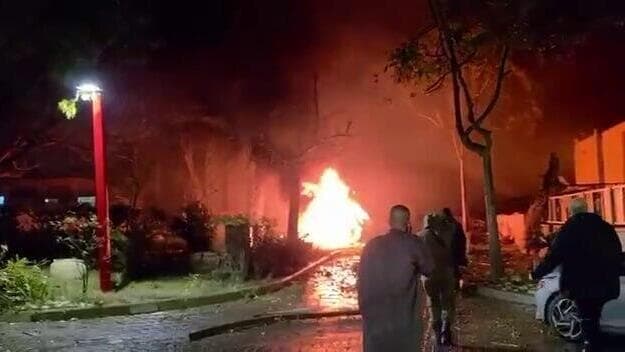
Iran Attacks Israeli Towns Dimona and Arad Near Israel's Main Nuclear Research Center, Dozens Wounded
43 sources compared
Iran Attacks Dimona in Retaliation for Natanz Strike
44 sources compared

Iran Attacks Diego Garcia with Long-Range Missiles, Targeting U.S.-UK Base
82 sources compared
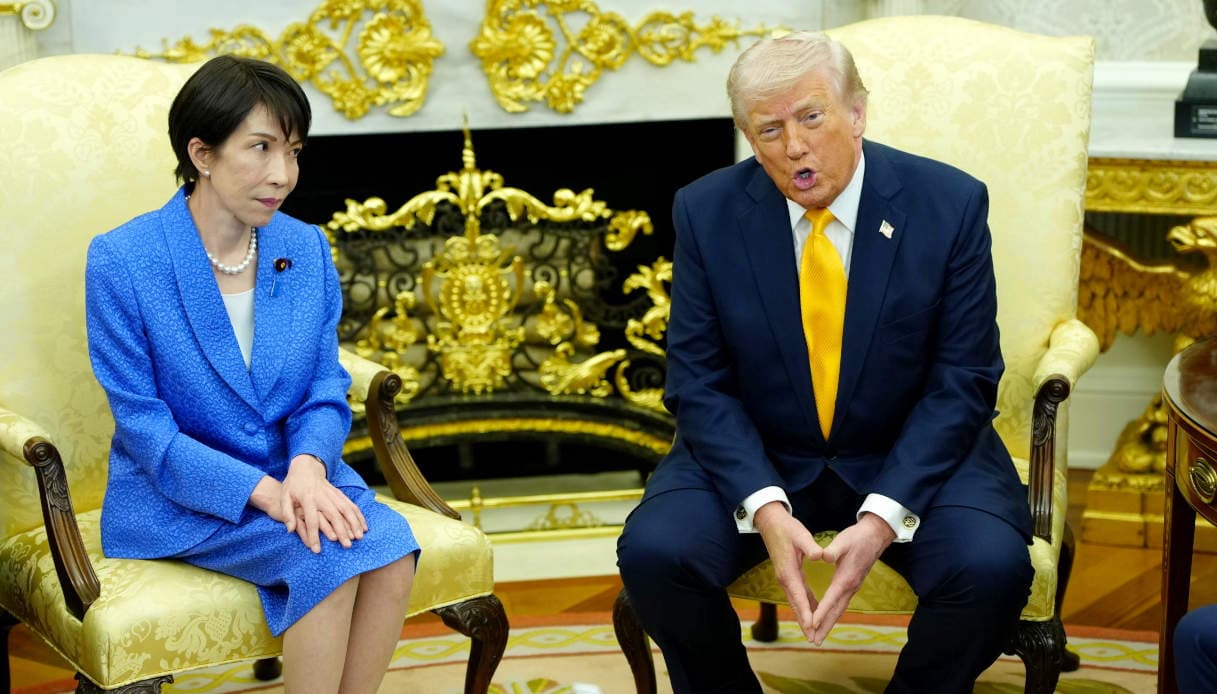
Trump Defends Iran War by Citing Pearl Harbor
12 sources compared