USA01 October, 20252 min read
Senate Deadlock Forces US Government Shutdown, Furloughs Hundreds of Thousands of Federal Workers
This article is an automated aggregation of coverage from news outlets. Our editorials offer in-depth analysis curated by the NewsCord team.
Senate failed to pass stopgap funding bills, triggering first shutdown in nearly seven years. Democrats insisted on funding health care subsidies, which Republicans and President Trump opposed.

41 outlets told this the same way.
U.S. Government Shutdown 2025
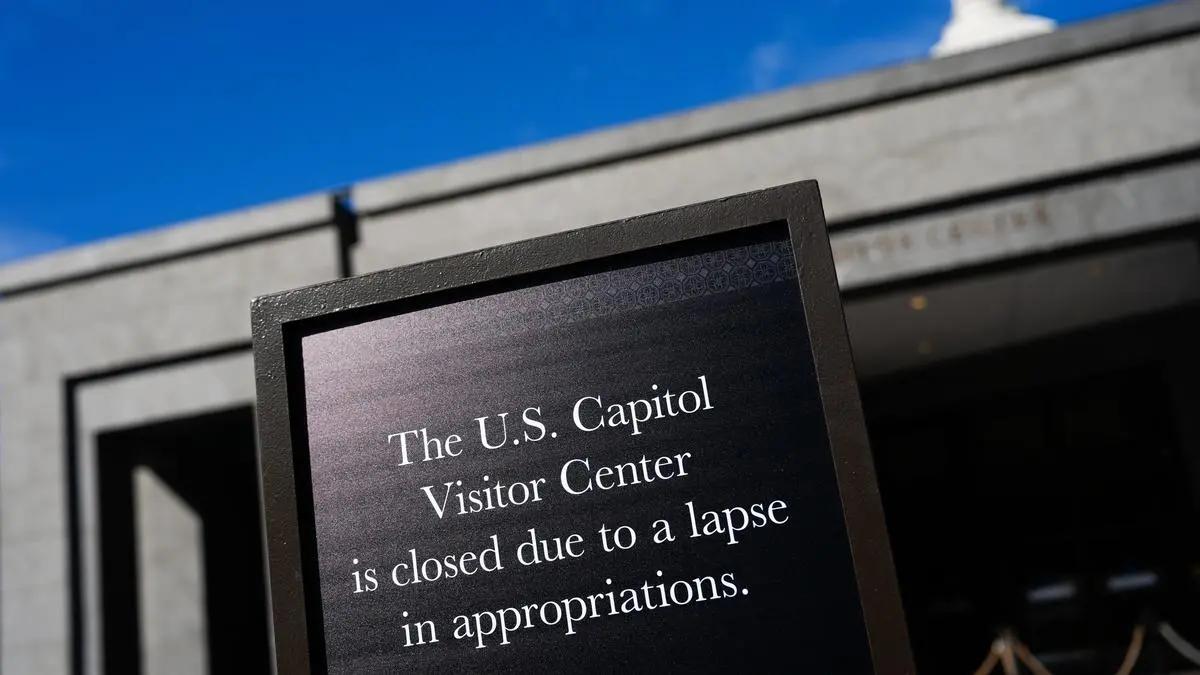
The U.S. government has entered a shutdown due to a deadlock in the Senate. Both Republican and Democratic proposals failed to secure the necessary votes. The shutdown began on October 1, 2025, and has resulted in the furlough of approximately 750,000 federal workers.
“A political deadlock in the U.S. Senate has led to the first government shutdown since December 2018 after a Republican effort to prevent it failed to secure the necessary 60 votes.”
Essential services like air traffic control and national security continue operating without pay. The deadlock primarily stems from disagreements over healthcare funding.

Democrats demand the extension of Affordable Care Act subsidies and the reversal of recent Medicaid cuts. Republicans, supported by President Trump, refuse to compromise on these issues.
Economic Impact of Government Shutdown
The shutdown has significant economic implications, with the Congressional Budget Office estimating a daily cost of $400 million in lost wages due to furloughed workers. Essential services continue to operate, but with reduced staff, leading to potential delays in areas such as passport processing and food safety inspections. The Trump administration has suggested using the shutdown to implement permanent workforce reductions, a move that has been met with criticism from various quarters, including federal employee unions.
Political Conflict Over Shutdown
Politically, the shutdown has intensified the blame game between Democrats and Republicans. President Trump and his allies have accused Democrats of using the shutdown to push for healthcare funding that benefits undocumented immigrants, a claim that has been debunked by several sources.
“Senate Democratic leader Chuck Schumer denied President Trump's assertion that undocumented immigrants would receive Affordable Care Act tax credits.”
Democrats, on the other hand, accuse Trump of using the shutdown as a political tool to weaken federal programs and energize his base. The conflict has shifted from policy disagreements to a broader cultural and personal political battle.
Shutdown Impact on Public Services
The shutdown has affected public services, causing national parks and museums to close or operate with limitations. The National Park Service plans to furlough a significant portion of its staff, although some parks may remain open with limited services.
Smithsonian museums and the National Zoo are expected to stay open temporarily, but the situation remains uncertain. The impact on public services highlights the broader consequences of the shutdown on everyday Americans, who may face disruptions in travel, education, and other areas.