USA15 July, 20263 min read
Senators Press Jay Clayton Over Subpoenas Of New York Times Reporters On Air Force One Flaws
This article is an automated aggregation of coverage from news outlets. Our editorials offer in-depth analysis curated by the NewsCord team.
Senators pressed Clayton on subpoenas of NYT reporters tied to Air Force One flaws story. Clayton defended the subpoenas during a tense Senate Intelligence confirmation hearing.
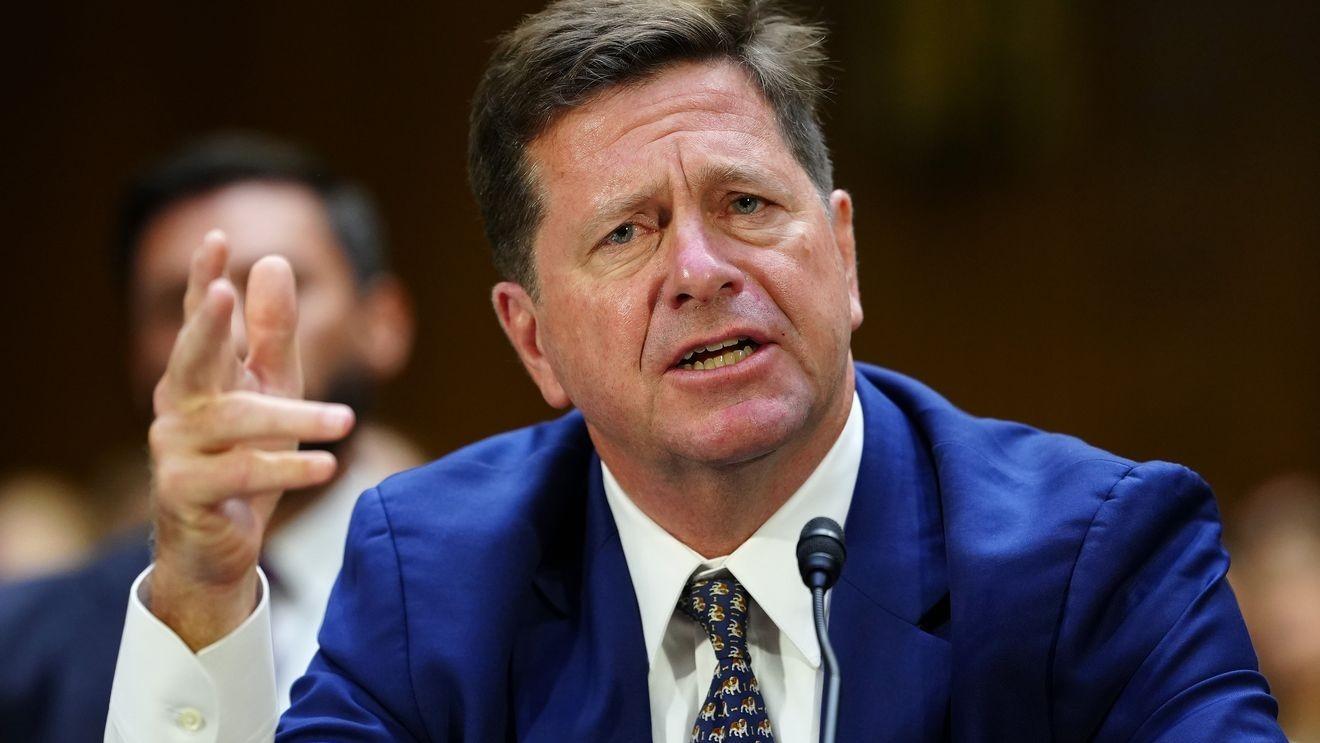
NYT subpoenas
Senators pressed top Justice Department officials in two Capitol Hill hearings on Wednesday over a decision to subpoena New York Times reporters tied to a story about security flaws in President Donald Trump's new Air Force One plane.
The subpoenas were signed by Jay Clayton, the US Attorney for the Southern District of New York, as part of what he told senators was "an ongoing national security investigation."
The five New York Times reporters subpoenaed Friday were Julian Barnes, Eric Lipton, Tyler Pager, Eric Schmitt, and Adam Goldman, after the Times published its investigation the previous day.
The modified Boeing 747-8 plane lacks the same sophisticated antimissile defense capabilities of the old aircraft, the Times reported, and the White House directed FBI Director Kash Patel to oversee the leak investigation into the Times' reporting about Air Force One.
At Clayton's confirmation hearing before the Senate Intelligence Committee, Sen. Ron Wyden asked why he took the unusual step of signing off on subpoenas to journalists, and Clayton said, "I operate by asking my team, 'What do you think?'"
Press freedom clash
During the Senate Judiciary Committee confirmation hearing for Todd Blanche, Sen. Peter Welch asked whether Blanche supported Patel's effort to subpoena the Times journalists, and Blanche said the Justice Department saw the journalists as "material witnesses, just like reporters would be witnesses to a car crash."
In an email to the newsroom Saturday, Times Executive Editor Joe Kahn called the subpoenas a "retaliatory abuse of prosecutorial power" and said the move was "a naked attempt to intimidate individual reporters."
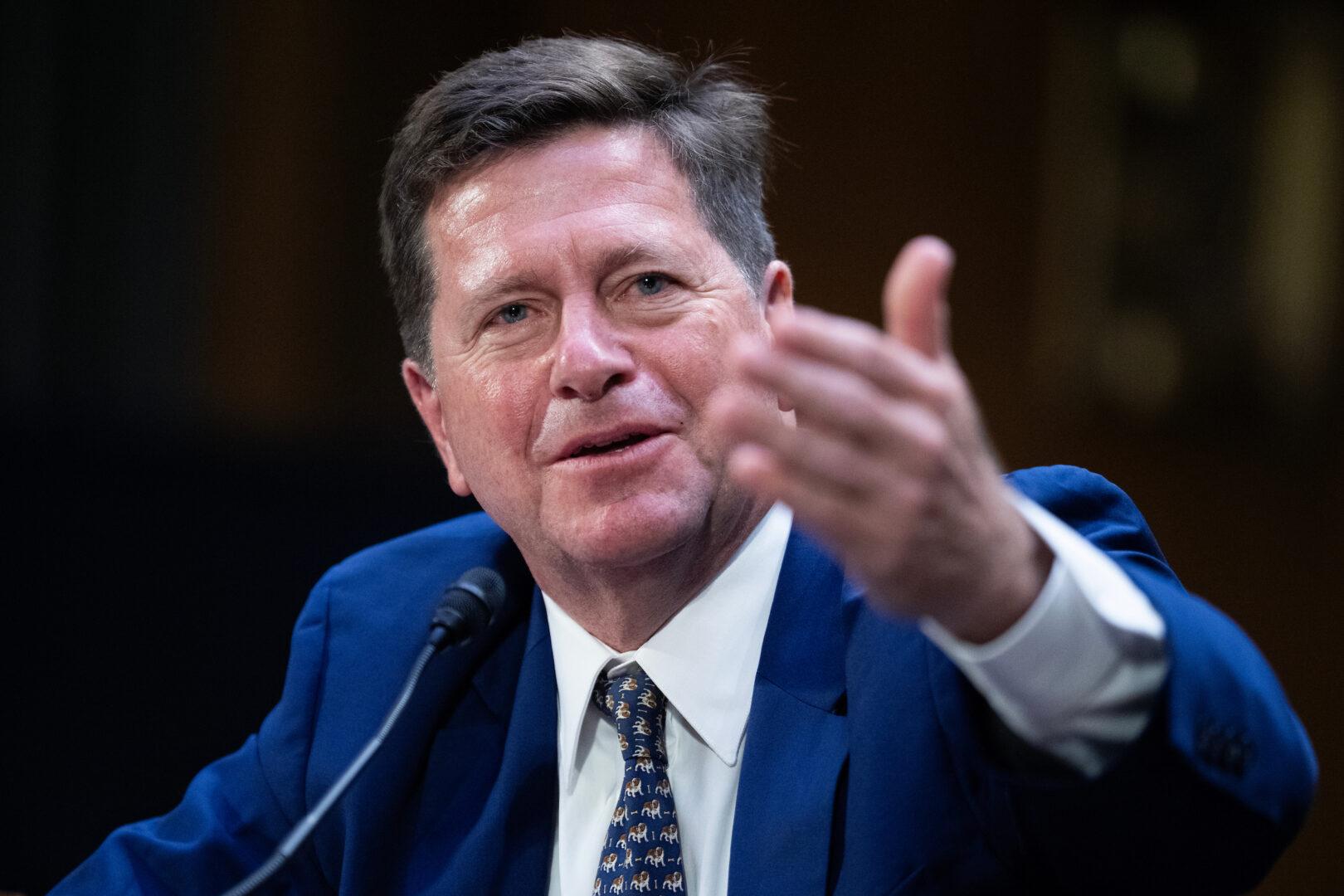
The Economic Times described a tense Senate confirmation hearing in which Jay Clayton repeatedly declined to discuss the matter, saying he "won't get into specifics," as lawmakers questioned the urgency and implications for press freedom.
Roll Call reported that Clayton defended his actions by saying he followed the "protocols" in place for the Justice Department, while Sen. Kirsten Gillibrand said, "This doesn't sound like the proper independent legal process" for issuing a subpoena.
The Intercept added that Clayton dodged questions about whether the White House ordered him to send the subpoenas, and it quoted Clayton saying, "I’m not going to get into the details."
What happens next
The Times was expected to ask US District Judge Ronnie Abrams to quash the subpoenas, after Abrams was described as the federal judge overseeing grand jury issues and leading the courthouse's media access committee. Roll Call said the Senate Intelligence Chair Tom Cotton, R-Ark., planned a business meeting next week to vote on advancing Clayton's nomination to the floor, with Cotton praising Clayton's record and saying the committee would hold that vote. WLUK reported that Clayton had been expected to appear before the committee on June 17, but Trump delayed the hearing while pressing Congress to pass the SAVE America Act, and it described Democrats questioning him on election interference and press freedom.
The Intercept said the subpoenas became a flashpoint in Clayton's nomination to replace Tulsi Gabbard as director of national intelligence, and it quoted Freedom of the Press Foundation executive director Trevor Timm saying the testimony was "totally disingenuous." WLUK also said Clayton declined to discuss specifics of the subpoenas or whether he spoke with the White House before they were issued, while stating he is "confident in procedures we have in place to protect freedom of press."