Russia · updated 1h ago · 2 min read
Sergey Lavrov Backs India’s Permanent UNSC Bid, Endorses Brazil, Rejects More Western Seats
Lavrov backs India's permanent UNSC seat and Brazil's candidacy. Russia opposes expanding UNSC with Western seats, especially Germany and Japan.
Most outlets report the same UNGA message.
8 of 10 outlets skipped it: lavrov links Russia’s approach to BRICS, SCO, and Eurasian Economic Union..
10outlets compared
Same story, two versions
tap a side to read it in full
The Hindu
“UN Security Council reform cannot involve any additional seats being allocated to Western countries, especially Germany and Japan, who are now on the path to militarism and revanchism”Read the original ↗
The New Indian Express
“UN Security Council reform cannot involve any additional seats being allocated to Western countries, especially to Germany and Japan”Read the original ↗
Some outlets foreground the militarism charge, others keep closer to reform mechanics.
Lavrov backs India, blocks West
Russian Foreign Minister Sergey Lavrov backed India’s bid for a permanent seat on the United Nations Security Council during his address at the UN General Assembly, and he also endorsed Brazil’s candidacy. Lavrov told the General Assembly that “UN Security Council reform cannot involve any additional seats being allocated to Western countries, especially to Germany and Japan,” and he framed the change as a shift toward broader representation.
Lavrov said Russia supports “Brazil’s and India’s candidatures for a permanent seat,” while arguing that reform must satisfy the interests of the African continent. Lavrov positioned Russia’s stance as aligned with the aspirations of developing nations across Asia, Africa, and Latin America, and he linked the debate to multipolarity and the need for the Council to evolve beyond its current composition.
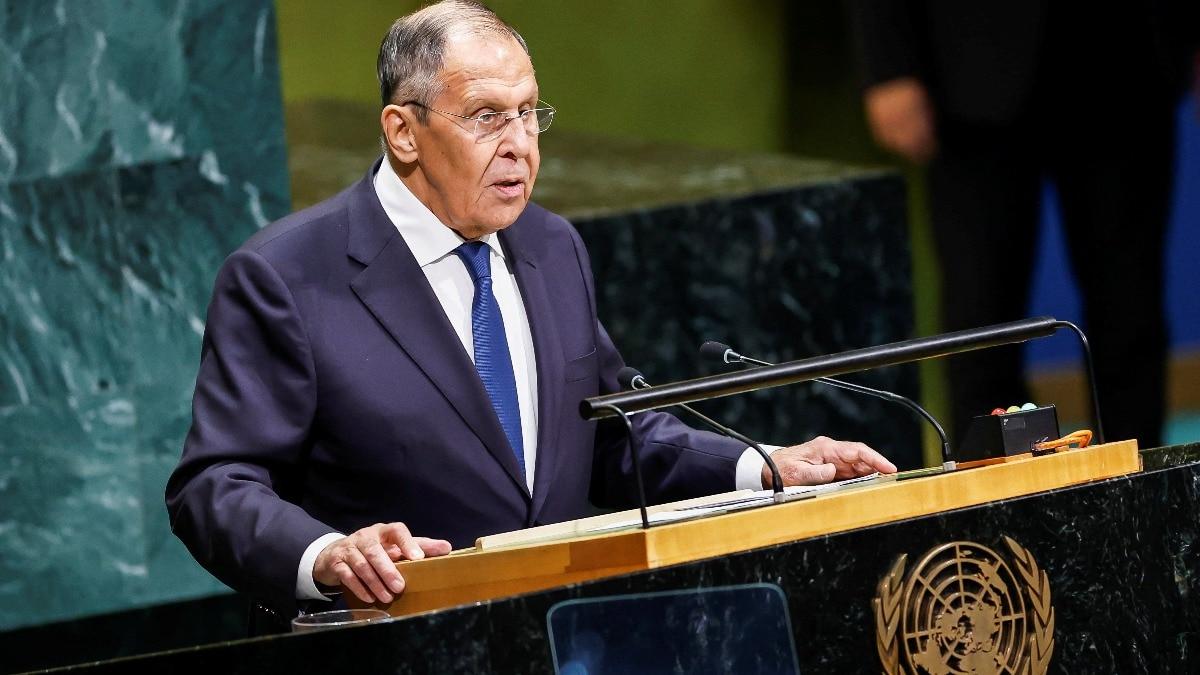
Opposition to Germany, Japan
Lavrov opposed adding more Western countries to permanent membership and specifically opposed potential seats for Germany and Japan, accusing them of moving toward “militarism and revanchism”. Lavrov said Russia supports broadening representation for Asia, Africa, and Latin America, while stressing that any reform should preserve the existing permanent members’ core prerogatives and powers.
Mauritian Foreign Minister Dhananjay Ramful reiterated Mauritius’s backing for India’s permanent membership and said Mauritius supports the positions of the G4 and L69 groupings on Security Council reform. Portugal’s Prime Minister Luís Montenegro also called for structural reforms to guarantee permanent seats for Africa, Brazil and India, as the 81st UN General Assembly held its high-level week in New York.
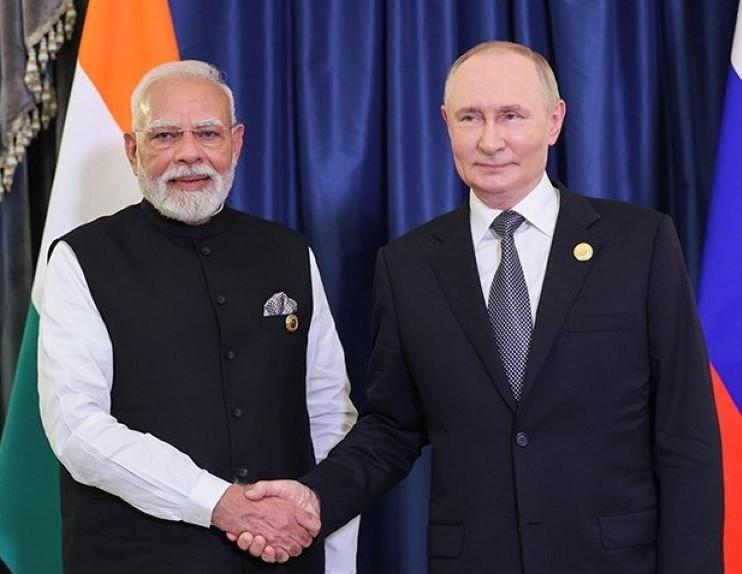
Charter hurdles and next steps
Russia’s endorsement of India’s permanent UNSC bid did not change the formal requirements for Security Council reform, because any amendment to the UN Charter requires a two-thirds majority in the General Assembly and ratification by two-thirds of member states. The sources said the ratification must include the unanimous agreement of all five current permanent members, named as China, France, Russia, the UK and the US.
“Such an amendment requires approval by a two-thirds majority of the General Assembly and ratification by two-thirds of UN member states, including all five existing permanent members.”
The debate also continued alongside calls from other countries, with the Marshall Islands reaffirming support for Japan and its G4 partners seeking permanent membership. The sources described the Security Council as having 15 members, including five permanent members with veto powers and 10 non-permanent members elected for two-year terms, leaving the question of expansion tied to the UN Charter amendment process.