Europe10 September, 20263 min read
Sheikh Mohamed bin Zayed Begins State Visit to Germany to Strengthen UAE-German Strategic Partnership
This article is an automated aggregation of coverage from news outlets. Our editorials offer in-depth analysis curated by the NewsCord team.
Begins state visit to Germany to deepen UAE-Germany strategic partnership Sign €40 billion investment package to deepen economic ties
State visit and deals
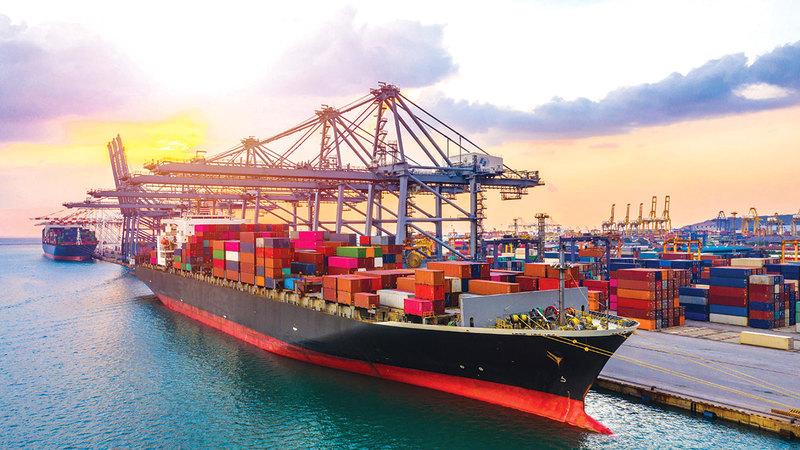
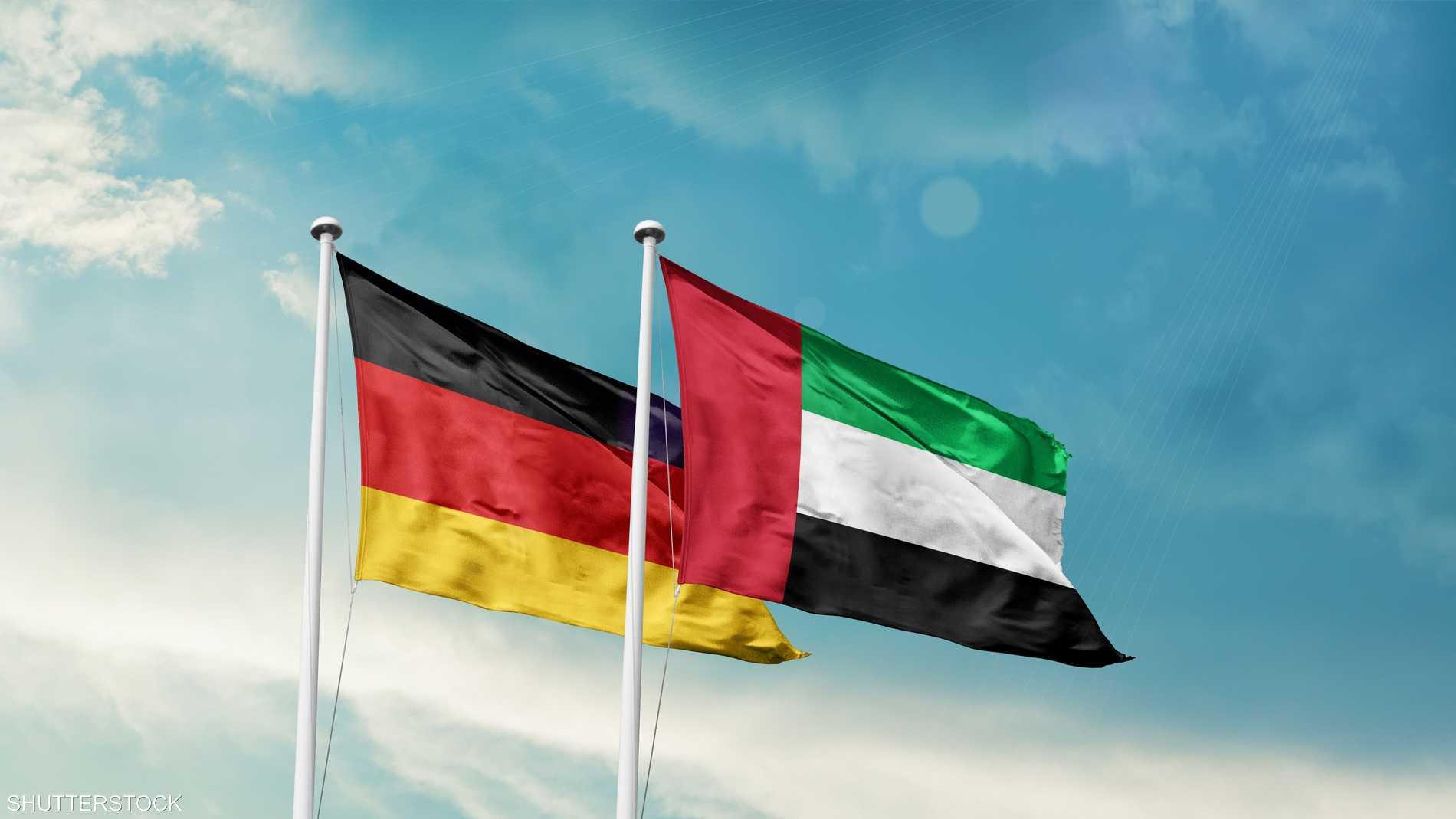
Sheikh Mohamed bin Zayed Al Nahyan, President of the United Arab Emirates, begins a state visit to the Federal Republic of Germany on Wednesday, September 9, to meet German President Frank-Walter Steinmeier and Chancellor Friedrich Merz and discuss cooperation and opportunities for development within the UAE–Germany strategic partnership. The visit is framed as building on 54 years of cooperation and on diplomatic relations that began in 1972, with the Strategic Partnership declaration in 2004, while the energy partnership launched in 2017 and expanded in 2022 to include climate. A key economic backdrop cited for the visit is that bilateral trade exceeded €13.56 billion in 2025, with German imports from the UAE rising by more than 50% in the same year and the UAE market hosting around 2,000 German companies.
The reporting also points to follow-up files including new UAE investments in Germany, industrial and advanced manufacturing cooperation, energy cooperation, artificial intelligence and technology, and Germany’s role in advancing UAE-EU economic relations. One specific investment highlighted is the acquisition of XRG, the international investment arm in the energy sector owned by ADNOC Group, of Cofestro in December 2025 for €14.7 billion.
Security and agreements
In an interview with DIE WELT, Lana Nusseibeh said the UAE faced more than 3,000 drone and missile attacks from Iran, and she described the February visit of Chancellor Friedrich Merz and the March visit of Foreign Minister Baade Wadephul as “a very valuable sign of support.” Nusseibeh also said the UAE is “about to expand our relations into a strategic partnership,” adding that “During these three days, 40 to 45 agreements between governments and companies are expected to be signed.” She said the UAE and Germany are negotiating ambitiously with the EU on a free trade agreement that should be concluded within the next six months, and she linked the talks to the UAE’s role as a gateway and Europe as a “huge economic area.”
Nusseibeh described the UAE’s defense capability by saying its armed forces were able to intercept 95 to 97 percent of Iranian drones and missiles, and she said the UAE’s mediation in the Russian-Ukrainian conflict led to “more than 8,000 prisoners” being exchanged. She also said the Iran war has led the UAE to seek broader security partnerships and to adapt to new forms of warfare, while emphasizing freedom of navigation and open sea routes as part of collective security.

Trade, companies, and scope
Other reporting ties the visit’s economic weight to the scale of existing business links, including that bilateral trade exceeded 13.56 billion euros in 2025 and that about two thousand German companies operate in the UAE market. The same reporting says the UAE investment in German industry is a prominent aspect of cooperation, including the UAE-based XRG’s acquisition of the German KOFIStRO in a deal valued at 14.7 billion euros. It also describes the visit as aimed at pushing UAE–Germany relations to deeper levels in economic, developmental, investment, and technological fields, with talks scheduled with German President Frank-Walter Steinmeier and German Chancellor Friedrich Merz.
The reporting further states that the visit began on September 9, 2026, and it places the trip within the framework of the strategic partnership between Abu Dhabi and Berlin. In the background of the state visit, Reuters is cited as saying the UAE and Germany are preparing to sign multi-billion-dollar agreements covering investment, artificial intelligence, and energy.