USA · 04 August, 2026 · 3 min read
Sonia Sotomayor Refuses to Halt $655.5 Million Judgment Against Palestinian Authority and PLO
Sotomayor declines to halt $655.5 million judgment against PA and PLO. Case centers on attacks that killed or wounded Americans in Israel during the Second Intifada.
Enforcement is framed as either justice for victims or an existential threat.
7 of 8 outlets skipped it: lower Bucks Times provides docket number and timing details..
12outlets compared
Same story, two versions
tap a side to read it in full
Daily Signal
““Our client families are very relieved that the court has reinstated the judgment”Read the original ↗
The Jerusalem Post
“Collecting such a large sum could deepen the PA’s financial crisis”Read the original ↗
Same event, but one highlights victims’ relief, the other highlights state collapse risk.
Sotomayor lets judgment stand
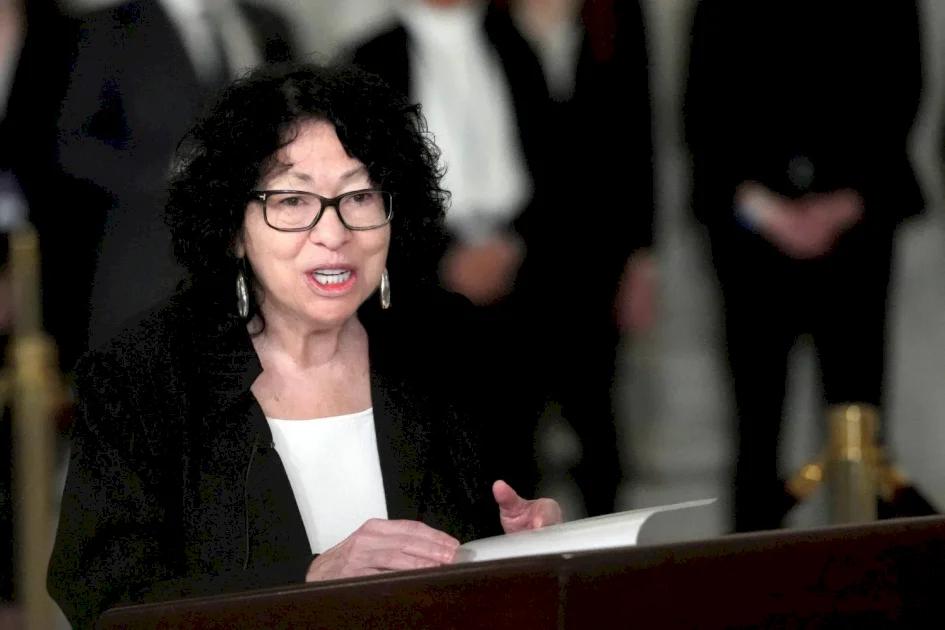
U.S. Supreme Court Justice Sonia Sotomayor declined on Monday to halt enforcement of a $655.5 million judgment against the Palestinian Authority (PA) and the Palestine Liberation Organization (PLO) in a lawsuit brought on behalf of Americans killed or injured in terrorist attacks in Jerusalem in the early 2000s.
“declined to halt enforcement of a $655.5 million judgment”
The case centers on attacks by various Palestinian groups and individuals between 2002 and 2004 during the Second Intifada, and Sotomayor rejected the emergency request without referring it to the full court or providing an explanation.
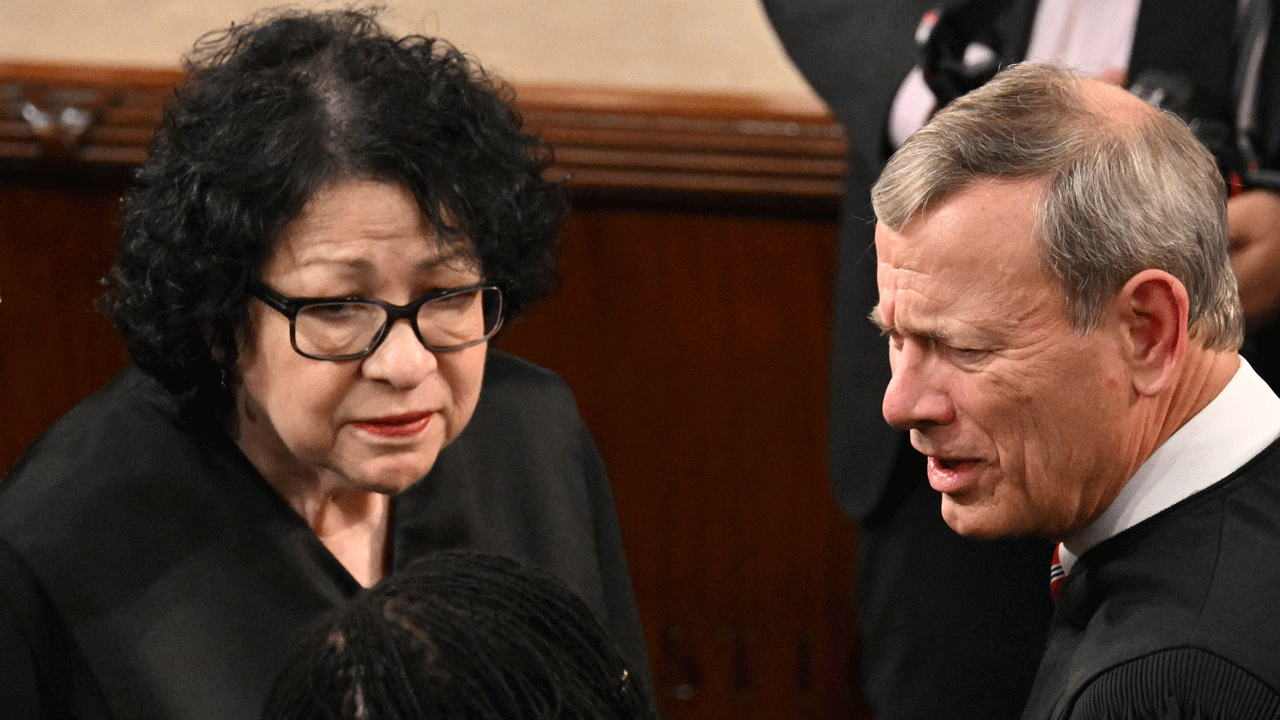
The decision allows plaintiffs to continue trying to collect the money while the PA and PLO prepare to ask the Supreme Court to review the judgment, with the order signed by Sotomayor coming after the high court ruled last year in favor of the victims and their families.
The underlying litigation dates to a seven-week trial in 2015 in New York, when a federal court issued a roughly $655.5 million judgment after the plaintiffs sued the PA and PLO under the Anti-Terrorism Act.
In court documents reviewed by Newsweek, the PA and PLO argued the judgment became a “nullity” and “absolutely void” after earlier proceedings, while Sotomayor denied the request on Monday.
Competing claims on impact
Nitsana Darshan-Leitner, president of Shurat HaDin-Israel Law Center, told The Jerusalem Post that "The practical meaning is that the Palestinian Authority will be required to pay $655m. to the victims of terrorism," as plaintiffs pursue tax revenues Israel collects on the PA’s behalf.
Darshan-Leitner said the judgment will be enforced against the Palestinian Authority’s tax revenues and other assets, including "investment portfolios, accounts in Palestinian banks," and other financial and nonfinancial assets belonging to the organizations.

The PA and PLO, in court filings, warned that immediate enforcement would destabilize government services in the West Bank, with the application arguing it would "destabilize critical government services Petitioners provide in the West Bank" and jeopardize regional security.
They also said the security, sanitation and school services the PA runs there were "hanging by a thread," and warned that enforcing the judgment would further strain those services.
The plaintiffs’ side disputed the claim that collection would require the PA to collapse, and Darshan-Leitner said the PA and PLO have several sources of money and property that could be pursued rather than relying on a single immediate payment.
What happens next
The Supreme Court’s refusal to pause the judgment comes after the legal landscape shifted in 2025, when the Supreme Court unanimously upheld the Promoting Security and Justice for Victims of Terrorism Act in a separate case, Fuld v. Palestine Liberation Organization.
“the Supreme Court unanimously upheld the PSJVTA in a separate case, Fuld v. Palestine Liberation Organization”
Following that ruling, the 2nd Circuit reinstated the original $655.5 million judgment in March 2026, concluding that the new law provided a valid basis for jurisdiction and allowed the previously vacated judgment to be revived.
The PA and PLO said the judgment should not have been resurrected after it had previously been overturned, and they argued in their stay application that the money judgment became a “nullity” and “absolutely void” after earlier court proceedings.
A World Bank report described the PA as being in “deep fiscal crisis,” and said that prior to this ruling the total deficit before grants amounted to US$605 million in the first nine months of 2025.
With Sotomayor’s order leaving the judgment enforceable again, the plaintiffs intend to pursue clearance revenue—customs duties and other taxes Israel collects on the PA’s behalf under the Oslo arrangements—while the PA and PLO prepare further appeals.