Cryptoupdated 1h ago3 min read
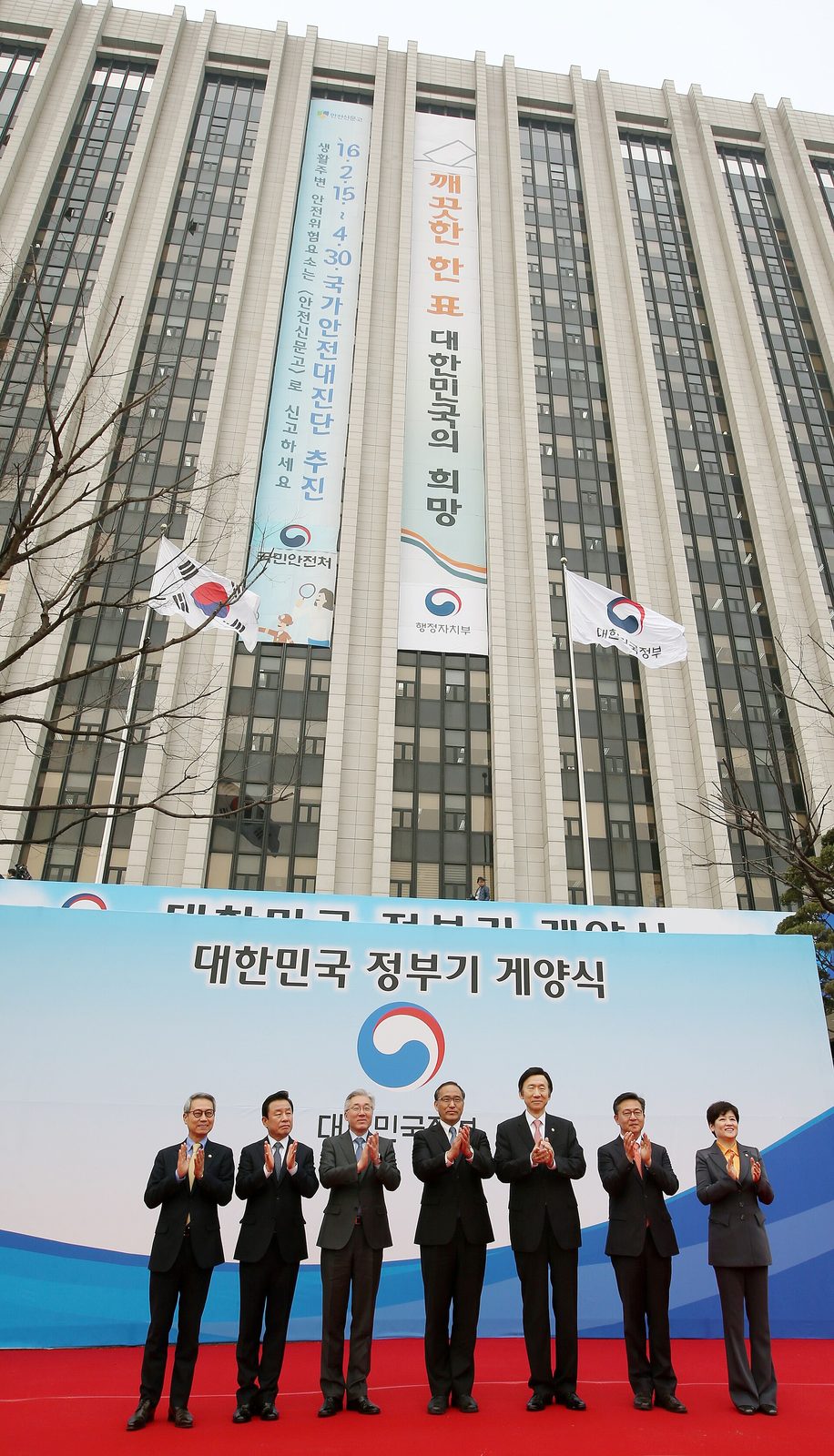
Archive photo · 29 March 2016South Korea Delays Crypto Income Tax to 2029, Lee Hyoung-Il Says
6 Asian4 Other4 Western AlternativePhoto: Republic of Korea from Seoul, Republic of Korea, CC BY-SA 2.0 · Cropped for layout
This article is an automated aggregation of coverage from news outlets. Our editorials offer in-depth analysis curated by the NewsCord team.
Crypto income tax postponed from 2027 to 2029, marking fourth delay. Loss carryforward option of up to three years proposed to offset burdens.
Save coverage image
14 outlets told this the same way.
Tax pushed to 2029
South Korea’s government moved its planned cryptocurrency income tax back by two years, saying the levy will apply from 2029 instead of the originally scheduled January 1 next year. Deputy Prime Minister and Minister of Economy and Finance Lee Hyoung-il announced the plan at a briefing at the Government Complex Seoul on November 5, and he said, "We will use the two-year preparation period to ensure implementation proceeds without a hitch in 2029." The government said the tax would have imposed a 20% income tax rate on amounts exceeding an annual deduction of 2.5 million won, with an effective rate around 22% including local income tax.
The government also said the delay is tied to the OECD-backed Crypto-Asset Reporting Framework, with the United States only joining in 2029, and it said the deferral would be the fourth since the Income Tax Act was amended in 2020. The government added that it would overhaul the system during the deferral period, including pushing for a three-year loss carryforward and updating the framework to reflect new transaction structures such as staking and DeFi.
Loss carryforward and rules
South Korea’s government proposed a three-year loss carryforward during the deferral period, and it said the current structure nets profits and losses only within the same year and does not allow losses to be carried into the following year. The government argued that the change is needed because cryptocurrency prices are highly volatile, and it said the existing taxation framework was designed around simple transfers and lending. Lee Hyoung-il said, "We will make the taxation system more rational in line with new market changes," pointing to new income methods such as staking rewards, decentralized finance (DeFi) yields, airdrops and crypto-to-crypto swaps.
The government said it would form a working team involving experts, industry and relevant ministries to draw up improvement measures by the first half of next year, submit a bill to the 2027 regular session of the National Assembly, and finalize detailed taxation standards in the first half of 2028. The government also said it would expand infrastructure for securing overseas transaction information as part of the preparation for taxing cryptocurrency transfers and lending.
Political and legislative path
The government said it would consult the National Assembly on the two-year deferral, and it said the plan would be pursued in consultation with lawmakers. Lee Hyoung-il told reporters, "I take it seriously that I am announcing yet another deferral after taxation has already been postponed three times," framing the decision as a response to repeated postponements. The government said the National Assembly must amend the Income Tax Act before the current implementation date takes effect, and it said the 2027 regular session would be used for related legislative steps.
The Korea Herald said the government would seek lawmakers’ approval for both the delay and the loss carryforward during this year’s regular session, and it said detailed tax guidelines were planned for the first half of 2028. The Korea Times said the government explained that introducing the tax before exchanges of cryptocurrency transaction information with the United States begin in 2029 could put the domestic cryptocurrency market at a disadvantage.