Asia20 October, 20252 min read
South Korean President Lee Commits Massive Investment to Build Fourth-Largest Global Defense Industry by 2030
This article is an automated aggregation of coverage from news outlets. Our editorials offer in-depth analysis curated by the NewsCord team.
South Korea will allocate a larger-than-expected budget for defense and aerospace R&D until 2030. The government aims to secure core defense technologies and develop advanced weapons systems.

8 outlets told this the same way.
South Korea's Defense Industry Growth
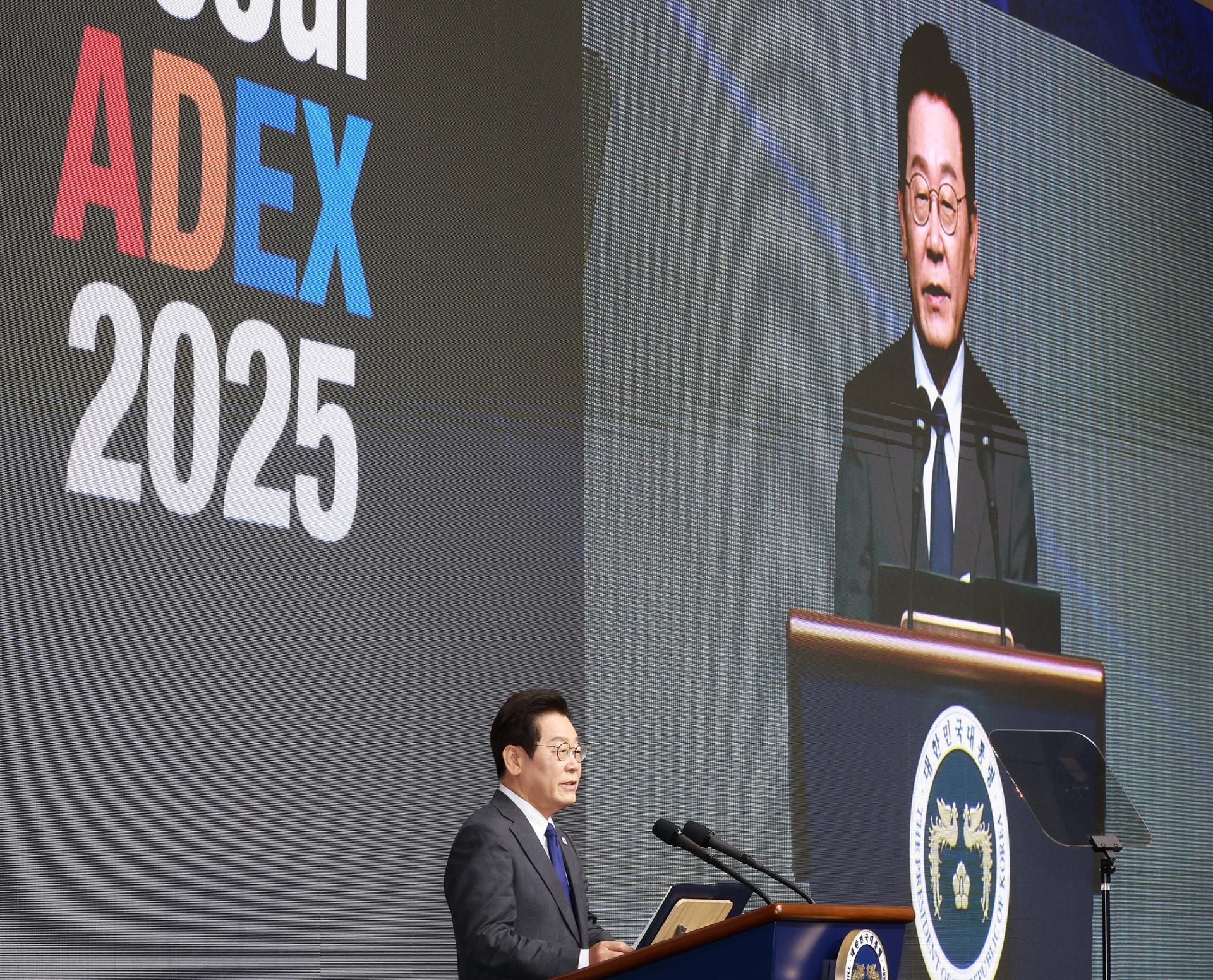
South Korean President Lee Jae Myung used the Seoul International Aerospace & Defense Exhibition (ADEX) 2025 to unveil a larger-than-expected budget through 2030 to elevate the country into the world’s fourth-largest defense industry. He showcased unmanned and AI-enhanced weapons as proof of momentum. Reports emphasize both the export push and a strategic turn toward self-reliant defense by 2030.
“South Korean President Lee Jae Myung announced that South Korea will allocate a larger-than-expected budget for defense and aerospace research through 2030, aiming to become the world’s fourth-largest defense industry.”
West Asian outlets highlight technological sovereignty and special semiconductors. Asian coverage notes the fair’s scale and advanced systems on display. Contextually, South Korea is currently ranked 10th in global arms sales but is positioning this investment to close the gap quickly.
Technology and Collaboration Strategies
Beyond the topline goal, the plan concentrates on core technologies such as defense-specific and military semiconductor chips, independent space development, and mechanisms to speed innovation into service. Asian outlets detail institutional levers including fast-track adoption, lower barriers for SMEs and manufacturers, and measures against unfair pricing. West Asian coverage focuses on special semiconductors and international collaboration, including sharing weapons systems and know-how.
Defense Funding and Goals
The administration pledges a significant increase in funding but remains vague on exact totals. It commits to a larger-than-expected budget through 2030. Asian reporting provides current and next-year baselines—61.2 trillion won now, 66.3 trillion won planned.
“The current defense budget stands at 61.2 trillion won ($43 billion) with 66.3 trillion won planned for next year.”
West Asian coverage reiterates the overarching 2030 commitment and the ambition to rank highly in the industry. The target of self-reliant defense by 2030 anchors the timeline.
South Korea's Export Strategy
Export expansion is a central pillar of South Korea's strategy. Sources from Asia and West Asia report plans to share systems and expertise and to pursue major overseas contracts. Reports mention European outreach with over $56 billion in potential deals.
Coverage from West Asia links South Korea’s export surge to Russia’s invasion of Ukraine and highlights multibillion-dollar sales of howitzers, missiles, and warships. Domestically, Seoul aims to build credibility by deploying its own systems and positioning itself as a 'Security Cooperation Partner' in global markets.
South Korea's Defense Industry Goals
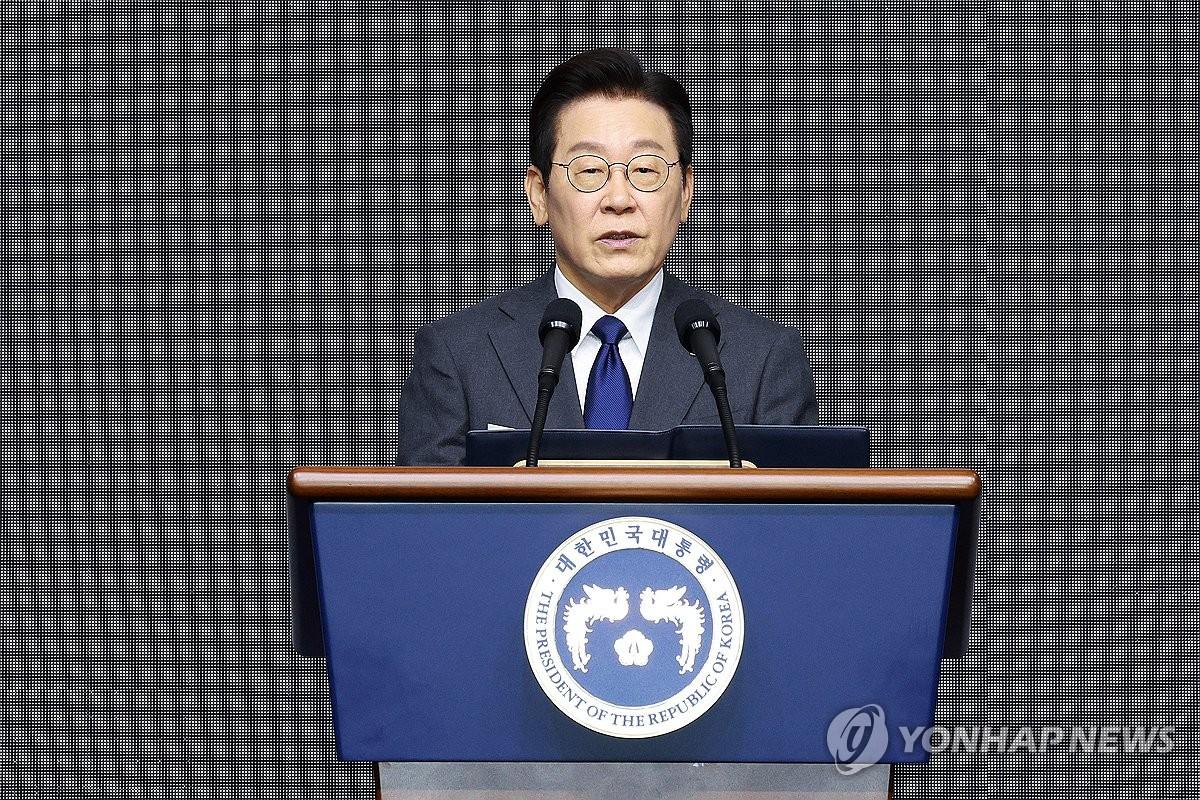
Targets and benchmarks vary across reports. Asian and West Asian outlets agree the ambition is to reach the world’s top four by 2030, but they cite different present-day reference points. One reference point is SIPRI’s rank of 10th in global arms sales.
“As of 2023, South Korea ranked 10th in global arms sales according to the Stockholm International Peace Research Institute.”
Another claim is top-five exporter status with over $10 billion in exports. Meanwhile, the exhibition showcased gear from 35 countries and included suicide drones.

This signals the breadth of South Korea’s market and technology aims as it pushes 'K-defense' globally. South Korea ties industry growth to national strategy and economic development.