Full story
Ceuta surge and deaths
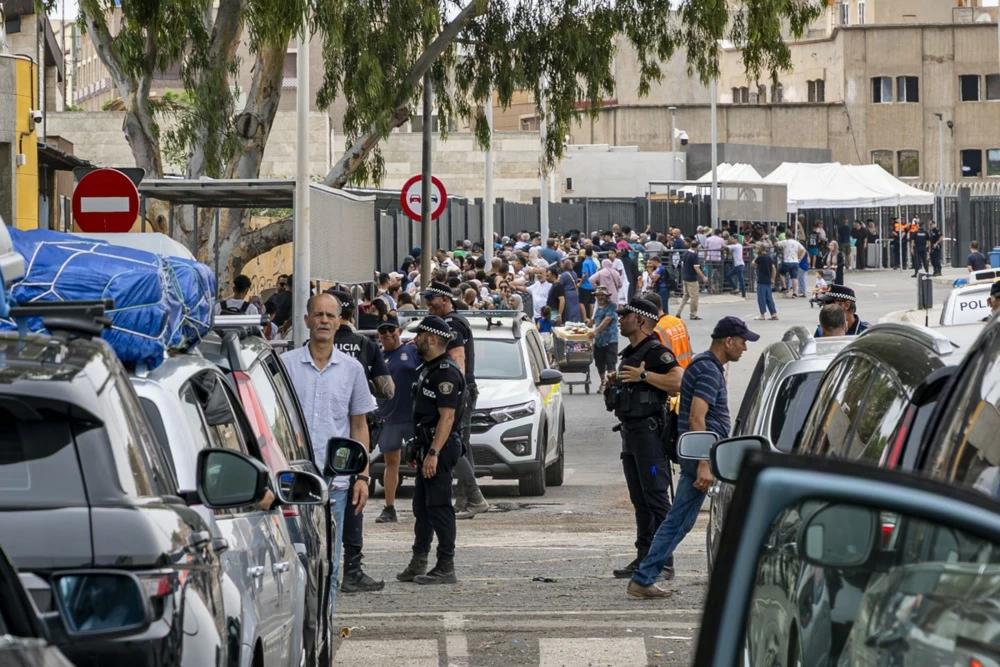
Spain condemned the “selfish, polarising and unlawful” reaction of some EU countries to an influx of about 60,000 migrants from Morocco into the Spanish enclave of Ceuta, as Spain’s interior minister said the death toll had risen to at least 67.
“Italy temporarily suspended the EU's border-free Schengen arrangement with Spain”
The BBC described the crisis as a surge that led Italy to temporarily suspend the EU’s border-free Schengen arrangement with Spain, after PM Giorgia Meloni called the scenes “shocking”.

AP reported that tens of thousands of migrants voluntarily left after crossing into Spain’s tiny Ceuta territory, with at least 57 migrants dying on the journey.
AP said Ceuta’s president put the number of migrants at 60,000, equivalent to 70% of the territory’s population, while Spain’s government said most soon went back to Morocco after the influx triggered a humanitarian crisis.
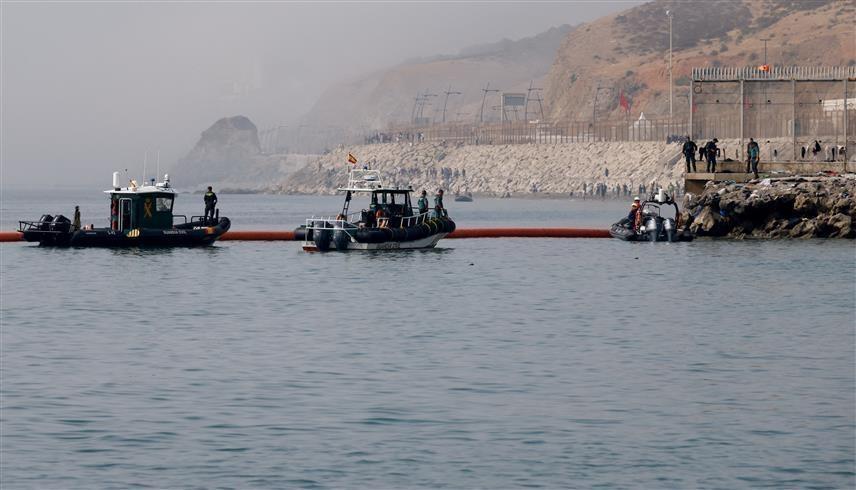
In Ceuta, the Associated Press said migrants swam several miles through the sea and faced down authorities who tried to turn them back with water cannons, tear gas and warning shots.
EU leaders trade accusations
POLITICO.eu said 22 EU leaders, including German Chancellor Friedrich Merz and Italian Prime Minister Giorgia Meloni, took aim at Spanish Prime Minister Pedro Sánchez’s migration policies, raising “serious concern” over the threat to the EU’s frontier.
POLITICO.eu also said the 22 leaders zeroed in on Sánchez’s move to grant legal status to up to 1.2 million unauthorized migrants as a “pull factor” that fueled the crisis, while Madrid pushed back by saying none of the people who illegally entered the exclave would be eligible.
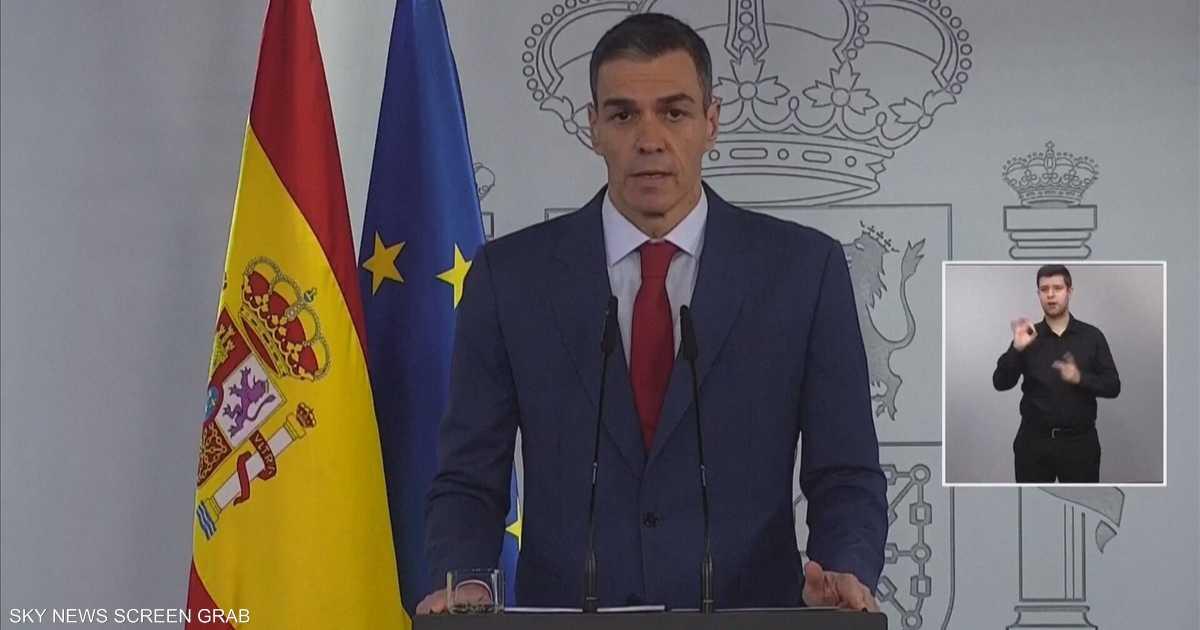
Sánchez hit back in the BBC account, calling for an urgent meeting to “reaffirm that the security of our external borders is a shared responsibility of all Member States,” and he said other European governments had chosen to attack Spain “driven by prejudice, fake news, ignorance, or political interest.”
The BBC reported that Finland and Denmark backed Italy’s move, while Czech PM Andrej Babiš urged a temporary suspension of Spain’s Schengen membership.
In the same BBC report, EU interior ministers were set to meet on Tuesday by video conference to discuss the issue, as Von der Leyen said the images from Ceuta were “unacceptable” and that “We cannot allow anyone to come to our Union without abiding by our rules.”
What happens next for Europe
The Guardian said Italy moved to suspend its free-travel Schengen arrangements with Spain by sea and air, and it described the measure as “targeted, selective checks” on third-country nationals arriving from Spain.
“targeted, selective checks" on third-country nationals arriving from Spain”
The Guardian also said Spanish authorities claimed that a vast majority of the migrants had voluntarily returned to Morocco, with hundreds more going back by the hour as there was no onwards migration route to mainland Spain or the EU.
Euronews reported that Sánchez vowed to “remain resolute in guaranteeing security in the face of any challenge, any eventuality and under any circumstances,” and he said the influx was a “violation of Spain's territorial integrity”.
Euronews added that Sánchez attributed the surge to migrant-trafficking networks, saying “criminal gangs” misinterpreted a July Spanish Supreme Court ruling and that the interpretation “spread like wildfire in recent hours.”
In the AP account, Ceuta’s president Juan Jesús Vivas said, “The situation that Ceuta is going through is absolutely unsustainable,” while Spain deployed its armed forces and additional police to restore order in Ceuta and France and Italy pledged to tighten controls on people arriving from Spain.