Crime · 07 August, 2026 · 3 min read
Spain Dismantles Western Mediterranean Smuggling Network, Arrests 78 With Europol
78 suspects arrested in Spain and Algeria in a major Western Mediterranean smuggling network Network linked to migrant smuggling, drug and weapons trafficking; several countries involved in operation
26 outlets told this the same way.
9 of 10 outlets skipped it: europol taskforce within its European Centre Against Migrant Smuggling.
26outlets compared
Spain-led raid arrests 78
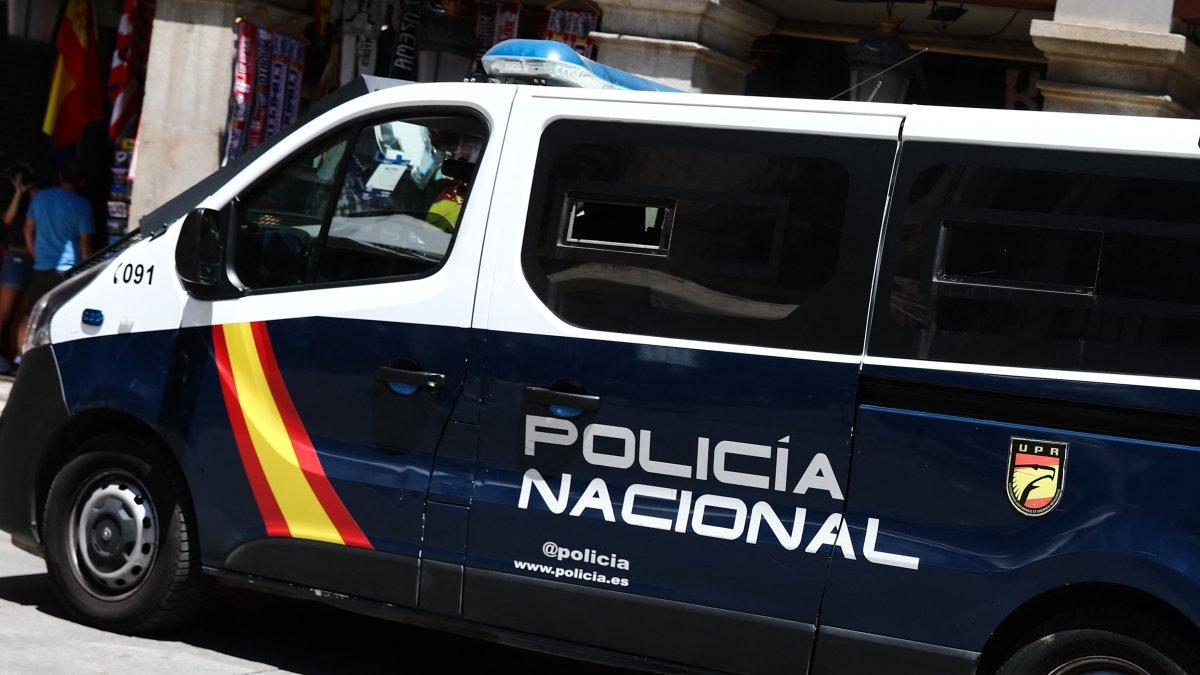
Spanish authorities, working with Europol and police in France, Portugal and Poland, dismantled what they described as one of the largest criminal networks for migrant smuggling, illegal drugs and weapons trafficking across the Western Mediterranean, with the operation launched by Spain’s Civil Guard and National Police in 2023. The crackdown culminated in an “action day” on June 16, leading to 78 arrests and the seizure of assets including 18 high-speed boats, with 77 arrests in Spain and one in Algeria. Europol said the network ran two-way maritime smuggling routes between Europe and Algeria, moving synthetic drugs southward and migrants northward to Spain’s southeastern coast and the island of Ibiza.
Investigators said the organisation carried out at least 64 migrant-smuggling operations, bringing more than 2,000 people into Spain and generating over €24 million in profits, charging as much as €12,000 per migrant. Spain’s Civil Guard said the operation “successfully dismantled one of the most complex, active and dangerous transnational criminal networks detected to date in the Mediterranean,” framing the raid as a major disruption to an enterprise it described as operating like a logistics company for organised crime groups.

Violence, ghost boats, and roles
Europol described the network as providing a wide range of services to other criminal organisations, including vessel storage, transportation, refuelling, maritime transfers, boat maintenance and counter-surveillance. The BBC said the group moved synthetic drugs from Spain and Portugal to Algeria, then used the return journey to smuggle migrants and weapons to the Spanish mainland and island of Ibiza on “ghost speedboats”. Europol said the group “evolved from drug trafficking into a duel-flow criminal enterprise designed to maximise profits,” with outbound routes from Spain and Portugal to Algeria and return routes from Algeria to Spain.
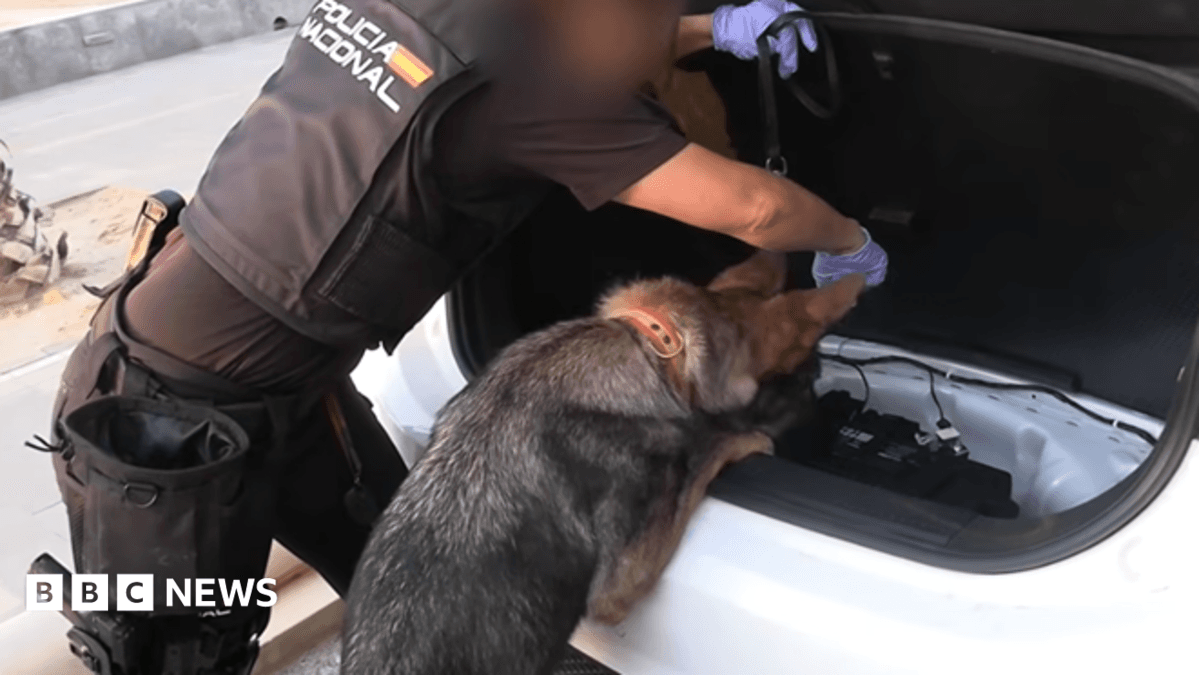
The BBC reported that “Migrants were often carried in overcrowded boats without lighting or life jackets, frequently under extreme weather conditions,” and said investigators believed suspects perpetrated sexual assaults, physical abuse, and placed migrants in inhuman conditions in makeshift housing. Authorities said the sting involved searches in 17 locations in Spain, including Alicante, Almería, Cartagena and Murcia, and that seized items included 18 high-speed vessels valued at €5m, guns, more than €25,000 in cash, and 15,000 MDMA pills.
Ceuta context and what’s at risk
The operation was announced a week after a mass migrant surge into Spain’s North African enclave of Ceuta drew international attention, and the BBC said most of the migrants returned to Morocco while between 3,000 and 5,000 remained in the territory. Europol said the network had connections to criminal groups in France, Belgium, Portugal, Italy and Poland, and the BBC reported that the suspects were primarily of Algerian origin with those ties. The BBC said the group provided services that “facilitat[ed] the movement of illicit goods and people across the Western Mediterranean,” describing how once cargo or migrants were handed over at sea, other network members arranged onward transport by land.
Europol said the operation involved searches in 17 locations in Spain and resulted in 78 arrests in Spain and Algeria, and the seizure of 18 high-speed vessels valued at €5m alongside drugs, weapons and communications equipment. In the same statement, Europol said the smuggling focused on synthetic drugs (such as MDMA), firearms, and explosives, while on routine routes from Algeria to Spain the group smuggled migrants charging up to €12,000 per person, with profits from migrant smuggling alone estimated to be more than €24m.