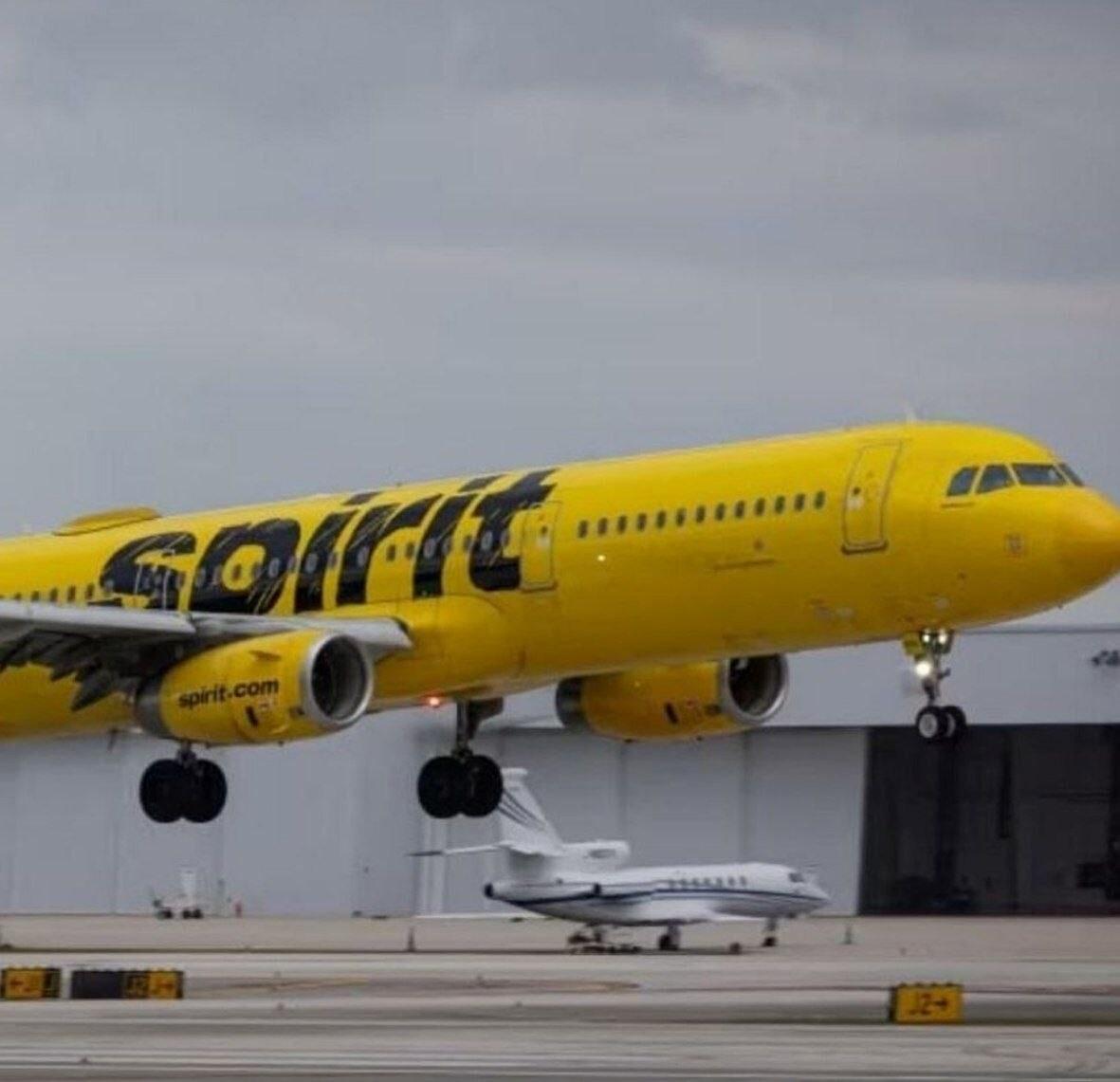
Spirit Airlines Shuts Down After Iran War Fuel Price Spike Cancels Flights
Key Takeaways
- Spirit Airlines ceased operations and began an orderly wind-down after bailout talks collapsed.
- Jet fuel prices doubled due to the Iran war, triggering the shutdown.
- It marks the industry’s first casualty linked to the Iran war, threatening thousands of jobs.
Shutdown and the Iran Link
Spirit Airlines ceased operations on Saturday, described by multiple outlets as the airline industry’s first casualty linked to the Iran war, after the carrier failed to secure creditor support for a U.S. government bailout plan.
Reuters-reported coverage cited by CBC and other publications said the collapse came after a doubling in jet fuel prices during the two-month-old war, and CBC said the shutdown would cost thousands of jobs.

CBC also reported that Spirit announced “an orderly wind-down of operations” and said all flights were cancelled, asking passengers not to go to the airport.
The Indian Express likewise tied the shutdown to a sharp spike in jet fuel prices following a disruption in the Strait of Hormuz during the Iran conflict, and it said the shutdown ended a 34-year run for the ultra-low-cost carrier.
The Globe and Mail, quoting Reuters, said Spirit Airlines ceased operations on May 2 and called it “the airline industry's first casualty linked to the Iran war.”
Business Day similarly described the shutdown as the first Iran-war-linked casualty and said the collapse was driven by a doubling in jet fuel prices during the two-month-old Iran war.
Across the reporting, the immediate operational consequence was the cancellation of flights and the need for passengers to rebook, with CBC describing major U.S. carriers capping or reducing ticket prices for Spirit customers.
Fuel Costs, Jet Fuel, and Assumptions
Several reports connected Spirit’s failure to fuel price dynamics tied to the Iran war, but they also included specific figures about how the airline’s planning assumptions broke down.
The Indian Express said the immediate trigger was “a sharp spike in jet fuel prices following a disruption in the Strait of Hormuz during the Iran conflict,” and it reported that Spirit’s restructuring plan assumed jet fuel prices of around $2.24 per gallon in 2026.

Reuters reporting cited by the Indian Express said costs surged to about $4.51 by late April, derailing Spirit’s bankruptcy exit strategy.
Business Day similarly described Spirit’s restructuring plan as assuming jet fuel costs of about $2.24 a gallon in 2026 and $2.14 in 2027, but said prices climbed to about $4.51 by the end of April.
Newsweek added a broader consumer-facing fuel context, saying the national average for a gallon of regular gas was $4.433 and that it had risen by around a dollar since the conflict started.
Newsweek also framed the dispute over causality by quoting Transportation Secretary Sean Duffy, who said: “Spirit was in dire straits long before the war with Iran.”
In the same Newsweek account, Spirit’s CEO Dave Davis said “the sudden and sustained rise in fuel prices in recent weeks ultimately has left us with no alternative but to pursue an orderly wind-down of the company.”
Bailout Talks and Government Stance
The reporting also described a failed bailout effort that became a central part of the Iran-war-linked narrative, with multiple outlets citing the same proposed financing figure and then detailing why it did not materialize.
Newsweek said Trump had suggested his administration could give Spirit Airlines $500 million in exchange for roughly 90 percent control of the company, but that no such deal materialized.
CBC described the collapse as a blow to President Donald Trump, who had proposed $500 million to save Spirit despite opposition from some of his closest advisers and many Republicans in Congress.
Business Day said the administration proposed $500m in financing in exchange for warrants equivalent to 90% of Spirit’s equity, and it described disagreements inside the Trump administration over whether and how to fund the bailout.
CBC also reported that a Spirit board meeting ended without an agreement to rescue the company, with a person close to the discussions telling Reuters late on Friday.
Transportation Secretary Sean Duffy told Reuters that the government did not see a need to bail out other low-cost airlines seeking relief, saying: “I would say that at this point, I don’t think it’s necessary.”
In Newsweek, Duffy pushed back on the idea that rising fuel costs were the main factor in Spirit’s demise, saying: “The war was not the impetus for Spirit.”
Passengers, Jobs, and Industry Response
While the Iran-war link centered on fuel and bailout politics, the immediate consequences described in the reporting were operational and human, including cancelled flights, stranded passengers, and job losses.
CBC said the collapse would cost thousands of jobs and described the disruption for travelers, including a family that arrived at Atlanta for a Spirit flight from Atlanta to Miami for a spur-of-the-moment vacation.

CBC quoted passenger Taylor Nantang saying: “So the whole airline at every airport is out of business?” and she added: “Oh my, that's crazy.”
CBC also quoted Joshua Sigler, who had bought a ticket Friday for a flight Saturday to Miami, saying: “They get you there,” and describing that he would return home after learning of the cancellation.
CBC reported that Jason Ambrosi, president of the Air Line Pilots Association, called the closure a “devastating blow” to more than 2,000 pilots and other staff with the airline.
CBC further reported that the Association of Flight Attendants echoed similar sentiment, with a statement reading: “This has been the honour of our life to fly with all of you and we are with you now. Spirit is in our blood and that makes us family,” and it said the group was working with other airlines about how to support Spirit flight attendants.
In parallel, CBC described how other carriers moved quickly, saying United, Delta, JetBlue and Southwest would be capping ticket prices for Spirit customers who needed to rebook cancelled flights, and it said United, American and Delta would offer reduced fares on high-volume Spirit routes.
Competing Narratives and Stakes
The sources present a clear divergence over what caused Spirit’s collapse, with Newsweek framing an “at odds” dispute between Transportation Secretary Sean Duffy and Spirit’s CEO Dave Davis.
Newsweek reported that Duffy denied that rising fuel costs were one of the main factors, saying: “Spirit was in dire straits long before the war with Iran,” and adding: “Their model wasn’t working. They couldn’t get to fiscal health, so this was not the impetus,” and “The war was not the impetus for Spirit.”
In contrast, Newsweek quoted Dave Davis saying: “the sudden and sustained rise in fuel prices in recent weeks ultimately has left us with no alternative but to pursue an orderly wind-down of the company.”
Newsweek also included political reactions, with Senator Elizabeth Warren writing on X that: “Spiking fuel prices from Trump’s war was the nail in the coffin for twice-bankrupted Spirit airline,” and conservative commentator Ann Coulter agreeing that “it was high fuel costs that was the final death knell for Spirit -- caused by a pointless war that has left everyone worse off.”
The Indian Express and Business Day both described the Iran-war fuel shock as a trigger, with Reuters-cited reporting saying Spirit’s failure highlighted how weaker carriers are being hit first, and Business Day describing how the collapse exposed weaker airlines to the Iran war’s fuel price shock.
Meanwhile, Duffy’s stance in Reuters-cited reporting, as quoted by the Indian Express, included the argument that the government would act only if needed and that “If no one else wants to buy them, why would we buy them?”
The stakes described in the reporting extend beyond Spirit’s own shutdown, including the effect on competition and fares, with CBC saying Spirit’s shutdown would benefit rivals like JetBlue Airways and Frontier Airlines, and Business Day saying the shutdown would reduce competition and likely push fares higher for budget travellers.
More on Iran
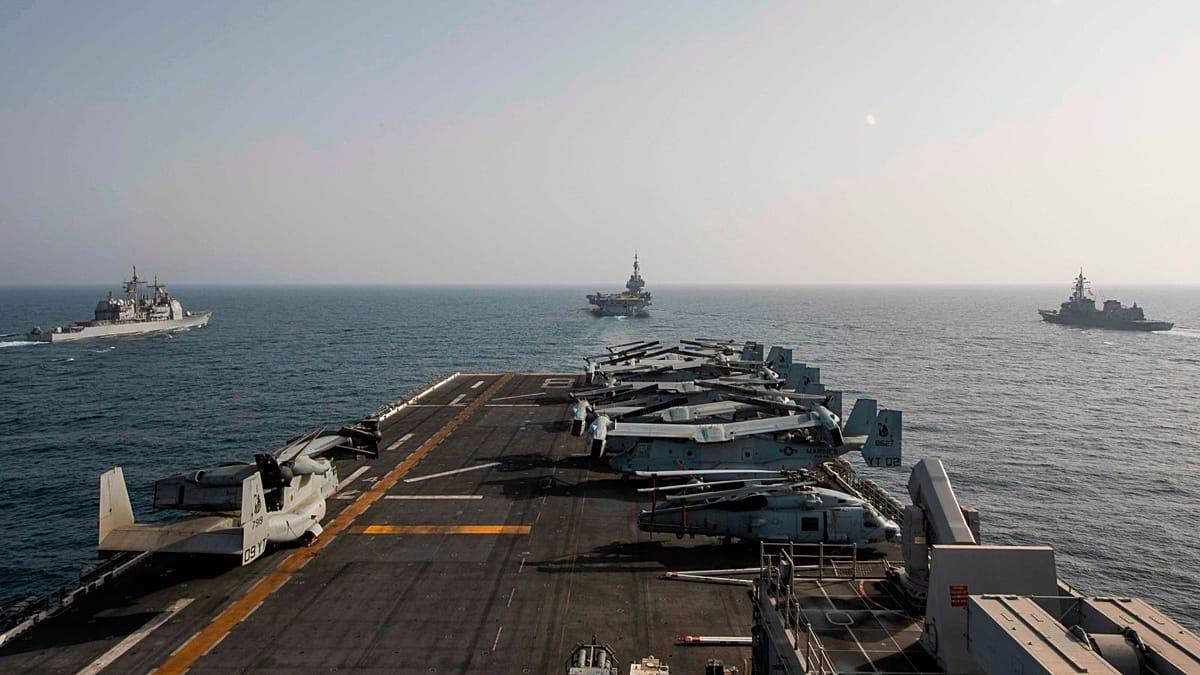
Pentagon Says U.S. Blockade In Strait Of Hormuz Cost Iran $4.8 Billion In Lost Oil Revenue
28 sources compared

Reuters Investigation Links Nobitex Founders Ali And Mohammad Kharrazi To Sanctioned Entities
11 sources compared

Donald Trump Reviews Iran’s 14-Point Proposal, Threatens New Strikes If Tehran Misbehaves
31 sources compared

Donald Trump Reviews Iran’s 14-Point Peace Proposal, Says Iran Has Not Paid Enough Price
26 sources compared