USA20 March, 20263 min read
Sri Lanka Denies US Warplanes Landing, President Dissanayake Declares Neutrality
This article is an automated aggregation of coverage from news outlets. Our editorials offer in-depth analysis curated by the NewsCord team.
Sri Lanka denied the US request to land two fighter jets at Mattala Airport. Iran's request for three naval vessels was also rejected.

Sri Lanka's Rejection
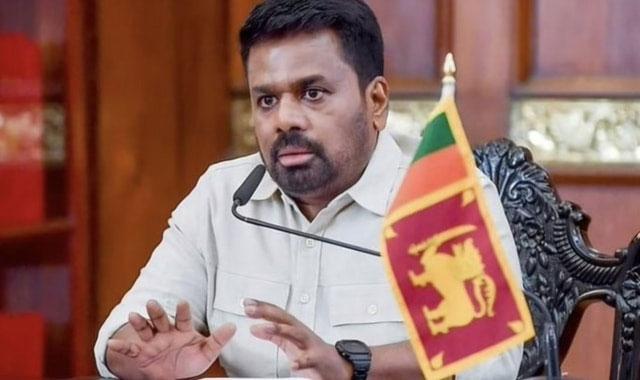
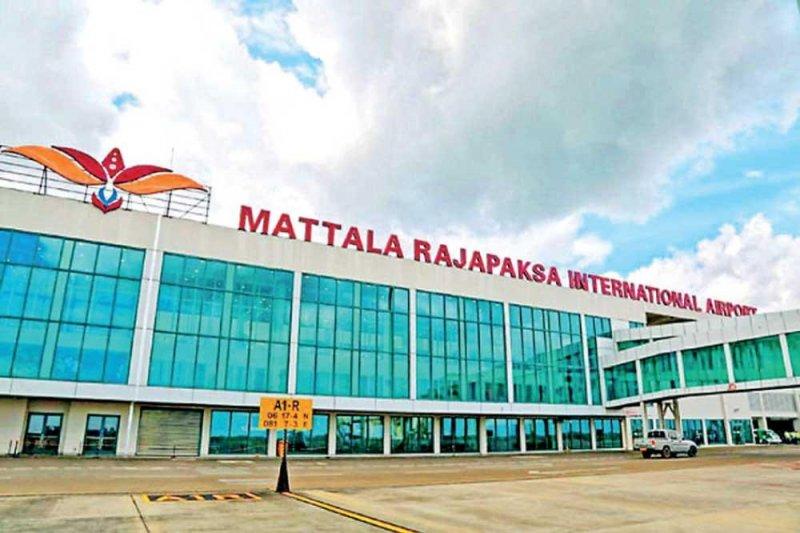
Sri Lanka's government has firmly rejected requests from the United States to allow two US warplanes to land at Mattala International Airport, with President Anura Kumara Dissanayake making the announcement in Parliament. The decision came as Sri Lanka sought to avoid being drawn into ongoing conflicts, particularly in the Middle East. The president emphasized the country's commitment to maintaining neutrality amid escalating regional tensions.
“Sri Lanka has refused permission for two US warplanes to land at Mattala International Airport earlier this month, with President Anura Kumara Dissanayake asserting the country's commitment to neutrality amid rising geopolitical tensions.”
This demonstrated Colombo's determination to resist external pressure while preserving its strategic independence. The president's statement reflected a calculated diplomatic approach aimed at protecting Sri Lanka's neutral foreign policy. This approach was taken while navigating complex international relationships during a period of heightened geopolitical uncertainty.

US Aircraft Details
The specific US requests involved two military aircraft stationed in Djibouti, a key maritime hub near the Red Sea and Gulf of Aden. These aircraft sought permission to land at Mattala International Airport on March 4 and March 8 respectively. According to presidential statements, the aircraft were armed with anti-ship missiles.
Sri Lankan authorities determined that granting access could compromise national security and neutrality. The timing of these requests raised concerns about potential Sri Lankan involvement in broader geopolitical conflicts. This was particularly concerning given the strategic location of Mattala International Airport and its potential use as a logistical base.

Neutrality Stance
President Dissanayake's parliamentary declaration emphasized Sri Lanka's unwavering commitment to neutrality despite mounting international pressures. He framed the decision as essential to protecting the nation's sovereignty and avoiding entanglement in distant conflicts. The president warned that granting access could have exposed key Sri Lankan infrastructure to geopolitical risks.
“The president stressed that Sri Lanka would not yield to external pressure. 'We want to maintain our neutrality despite many pressures.'”
This included Mattala International Airport and the Port of Colombo, both strategically important locations. This stance reflects Sri Lanka's broader foreign policy approach of maintaining strategic balance. The country refuses to align with major powers during periods of international tension.
Iranian Request Context
In addition to the US aircraft request, Sri Lanka also rejected a separate proposal from Iran seeking permission for three naval vessels to make a goodwill visit. This demonstrated consistent neutrality in handling competing international requests. The Iranian request came shortly after a major incident involving US forces attacking an Iranian warship.
This attack occurred in international waters off Sri Lanka's southern coast, killing at least 87 sailors. Following this attack, Sri Lankan authorities rescued 32 sailors and recovered 84 bodies.
They also provided assistance to another Iranian ship carrying 208 crew members that requested help. These events created a complex diplomatic environment where Sri Lanka had to balance humanitarian obligations with its commitment to neutrality.
Diplomatic Context
The timing of President Dissanayake's neutrality announcement came just one day after a meeting with US Special Envoy Sergio Gor. During this meeting, the Sri Lankan leader conveyed his country's stance on the Middle East conflict. This diplomatic engagement highlighted the complex balancing act Sri Lanka must perform.
“The statement comes a day after Dissanayake met with US Special Envoy for South and Central Asia, Sergio Gor. The Sri Lankan leader posted on X that he conveyed the South Asian nation's stance on the Middle East conflict to Gor.”
The president's firm rejection of both US and Iranian requests sent a clear signal. Sri Lanka intends to preserve its independence and avoid becoming a pawn in larger geopolitical struggles.
This is particularly important as the Middle East conflict continues to evolve. The conflict potentially impacts regional stability and economic interests.