Iran02 March, 20262 min read
Starmer Authorizes US Use of British Bases to Strike Iran, Dragging Britain Into War
This article is an automated aggregation of coverage from news outlets. Our editorials offer in-depth analysis curated by the NewsCord team.
UK authorised US use of British bases for limited defensive strikes on Iranian missile infrastructure An Iranian drone struck RAF Akrotiri in Cyprus, causing minor damage and no casualties
32 outlets told this the same way.
UK authorised US strikes
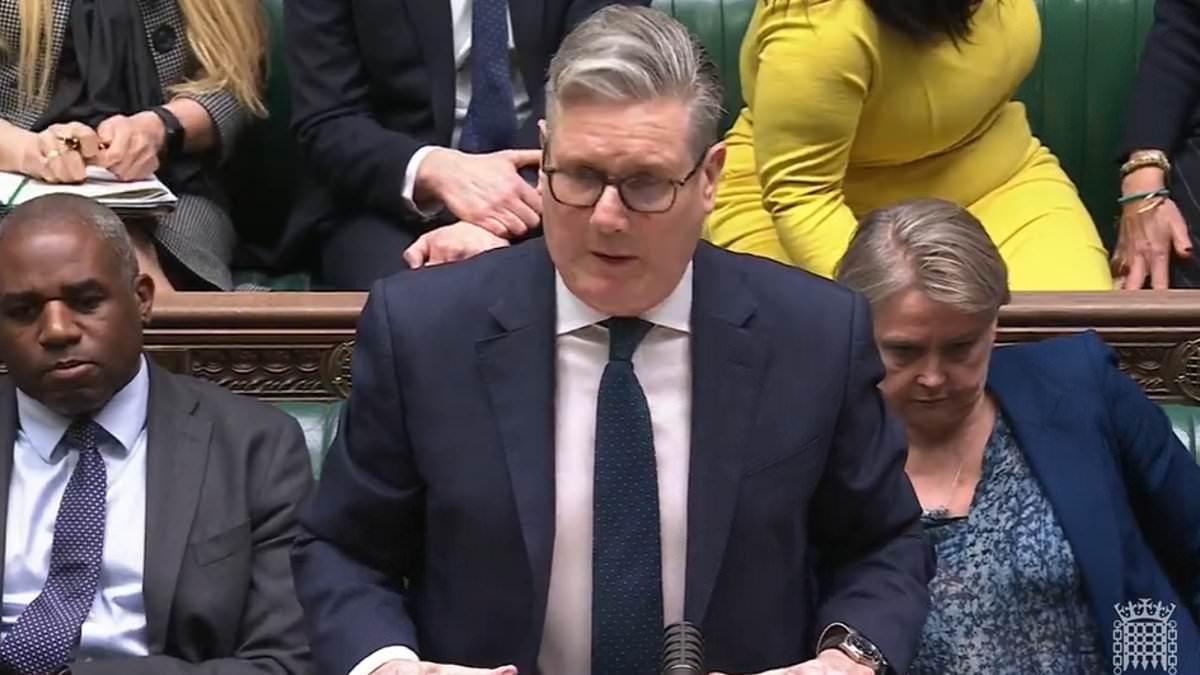
Prime Minister Keir Starmer authorised the United States to use British military bases to strike Iranian missile infrastructure, saying the permission was for a "specific and limited defensive purpose" to destroy missiles "at source" and to protect British lives and interests. Downing Street and the White House discussed the crisis and Starmer framed the move as a narrowly scoped, lawful action rather than support for broader offensive operations or regime change. He repeatedly emphasized that any action must have a lawful basis and a clear plan, invoking lessons from the Iraq war as a restraint on precipitous intervention.
“Prime Minister Keir Starmer has authorised the United States to use British military bases to launch strikes on Iranian missile infrastructure, a decision confirmed on 2 March 2026. Downing Street said the permission is for a ‘specific and limited defensive purpose’ to destroy missiles at source.”
Political reaction to access decision
Starmer faced intense domestic and international criticism for the timing and clarity of the decision. Critics, including former US president Donald Trump, said Britain took too long to grant access, accused the government of a weak U-turn, and warned the pause risked straining the 'Special Relationship'.
Downing Street and ministers defended the delay as deliberate and legally considered, but opponents said the government's initial refusal and subsequent limited permission were politically costly. The dispute spilled into diplomacy and public exchanges, with Trump publicly saying he was 'very disappointed.'
UK base strikes and response
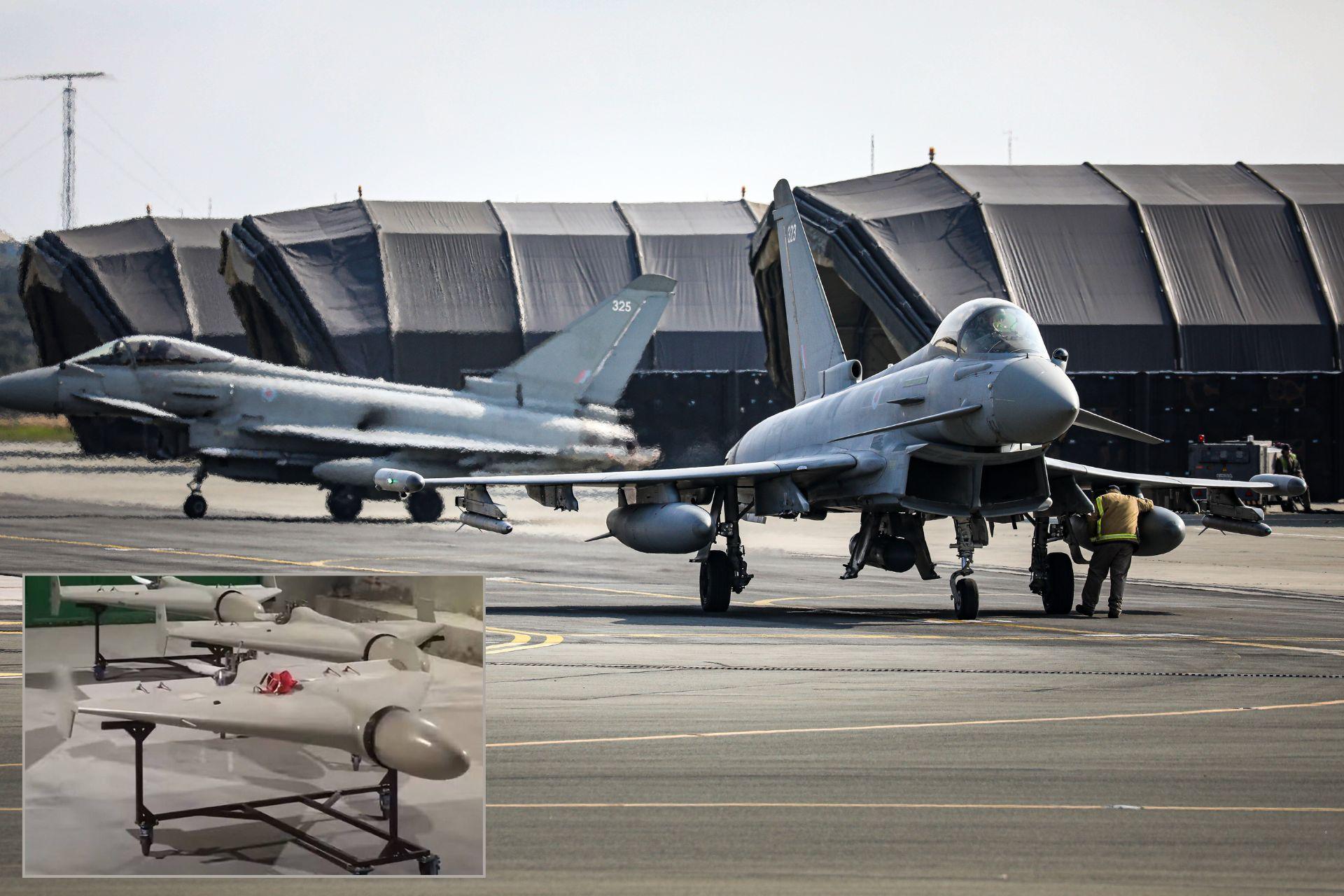
The policy shift came amid immediate frontline incidents. RAF Akrotiri in Cyprus was struck by a projectile or Iranian 'one-way' attack drone around midnight, causing minor damage and no casualties. Personnel sheltered and some families were evacuated.
“No one was hurt after a projectile struck a hangar at the UK’s Akrotiri base in Cyprus, and, hours later, two drones bound for the base were ‘dealt with in a timely manner,’ the Cypriot government said.”
A second drone en route was intercepted. UK forces reported scrambling Typhoon jets on defensive patrols. They raised force-protection to high levels after missiles and drones were launched toward British bases and regional allies.
UK evacuation planning
The UK emphasised a defensive posture while rapidly expanding contingency planning for British nationals in the region. Ministers described the permission as part of collective self-defence to protect Britons and allies, and deployed rapid-response consular teams. Other reports say Britain is evacuating tens of thousands and planning for far larger figures, a claim that contradicts official descriptions and produces inconsistent tallies across outlets.
Diplomatic and strategic fallout
The decision has wider diplomatic and strategic ripple effects. Spain refused to allow its Spanish-sovereign bases to be used for attacks on Iran and repositioned US tankers to Germany and France. Markets reacted with falls in Asia and higher oil prices.
“Flight-tracking data from FlightRadar24 show 15 US aircraft have departed the Spanish bases at Rota and Moron since the US and Israel launched strikes on Iran over the weekend... Spanish officials say the planes — mainly KC-135 aerial refueling tankers permanently stationed in Spain — relocated largely to Germany (at least seven to Ramstein)... Foreign Minister José Manuel Álvarez stressed Spain will not allow its jointly run but Spanish-sovereign bases to be used to attack Iran or for operations outside the US–Spain agreement or the UN Charter.”
US defence officials publicly criticised allied caution while urging rapid action. The episode has strained relations with allies and provoked sharp public comment in Washington. It illustrates how Britain's limited, legally framed concession nonetheless drags it into the centre of an escalating regional confrontation.