
State Department Cuts Middle East Experts as Iran War Escalates
Key Takeaways
- State Department cut Middle East expert positions; Mora Namdar briefly led amid Iran crisis.
- Bureau of Near Eastern Affairs lacks veteran leadership due to cuts.
- Cuts threaten coordinated U.S. policy across 18 Middle East countries.
Expertise Loss
The Trump administration's significant cuts to State Department personnel have severely undermined diplomatic capacity and expertise in the Middle East at a critical time of escalating conflict with Iran.
“and Israel remain locked in conflict with Iran”
Since Trump took office, more than 3,800 State Department employees have departed through a combination of reductions in force, deferred resignation plans, and ordinary retirements.
Senior foreign service ranks were disproportionately represented in the layoffs compared to their overall workforce share.
The Bureau of Near Eastern Affairs, which would typically coordinate U.S. foreign policy across an 18-country region now engulfed in conflict, has been particularly hard hit.
These cuts have resulted in the loss of more than $35 million in taxpayer-funded language training alone, including 13 Arabic speakers and four Farsi speakers who were trained at significant expense.
Decision-Making Changes
The Trump administration's decision-making process has fundamentally altered how foreign policy is conducted, sidelining career expertise in favor of a small group of officials close to the president.
The National Security Council, which Trump has pared down, would typically present the president with analysis from experts within the bureaucracy, but these traditional mechanisms have been largely abandoned.
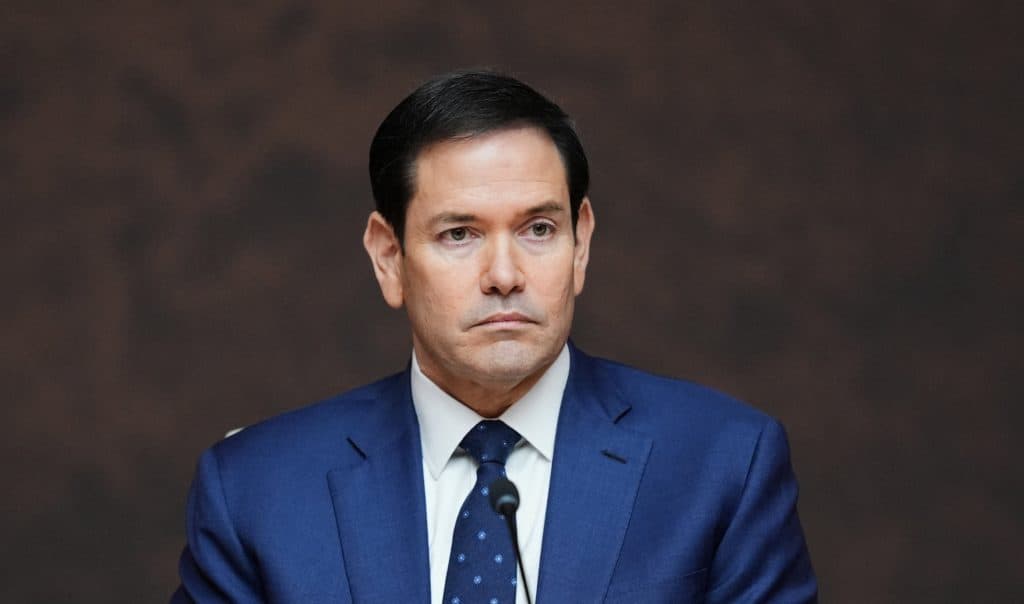
Instead, decisions are made by a small circle of senior administration officials without the planning or coordination of the larger machinery of government.
This approach has led to the appointment of officials with limited relevant experience to key positions, such as Mora Namdar, a lawyer of Iranian descent with limited management experience who was put in charge of the Bureau of Near Eastern Affairs.
Her only notable credential was her contribution to Project 2025, a conservative think tank's blueprint for the second Trump administration.
Evacuation Failures
The escalation of conflict with Iran has exposed critical failures in evacuation planning and crisis management due to the loss of experienced State Department personnel.
“State Department cut jobs with deep expertise in Middle East as Iran crisis escalates The widening war in Iran is exposing big gaps at the State Department, especially in the bureau that handles the Middle East”
When the U.S. made the decision to strike Iran, Ambassador to Israel Mike Huckabee offered embassy staff in Jerusalem the opportunity to evacuate, indicating he knew strikes were coming.
Other embassies in the region did not make similar arrangements, leaving nonessential personnel and their families stranded in a war zone.
The State Department issued late and confusing messaging to American citizens, with information going out several days into the conflict when airspace was largely closed.
This demonstrated that the White House underestimated the possibility of strikes expanding into a prolonged multi-country war.
Crisis Response
In response to the Middle East crisis, the State Department has established two temporary task forces to address the escalating conflict.
One task force aims to bolster the capacities of Near East Affairs while another is focused on helping Consular Affairs evacuate Americans.
The department claims to have offered assistance to nearly 50,000 Americans impacted by the conflict, with more than 60 flights evacuating citizens from the region.
More than 70,000 Americans have been able to return home since the outbreak of hostilities on Feb. 28.
A group of more than 250 Foreign Service officers who were part of the administration's reduction-in-force last year still remain on the State Department's payroll, many of whom have volunteered to return to help with the crisis.
More on Iran
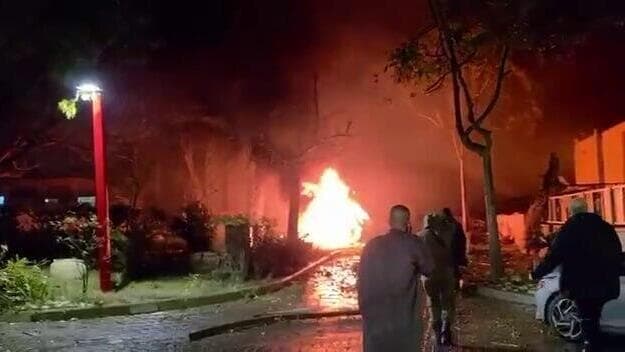
Iran Attacks Israeli Towns Dimona and Arad Near Israel's Main Nuclear Research Center, Dozens Wounded
43 sources compared
Iran Attacks Dimona in Retaliation for Natanz Strike
44 sources compared

Iran Attacks Diego Garcia with Long-Range Missiles, Targeting U.S.-UK Base
82 sources compared
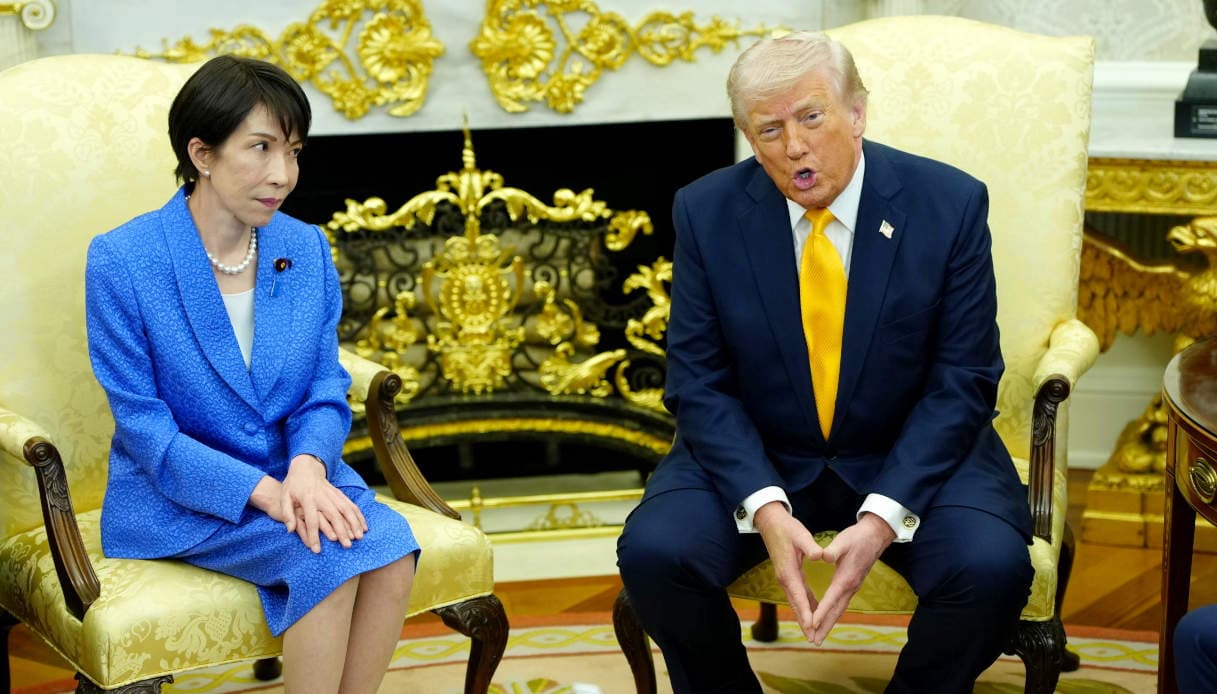
Trump Defends Iran War by Citing Pearl Harbor
12 sources compared