Sudan03 September, 20263 min read
Sudan Dialogue Preparatory Committee Seeks Ceasefire as War Between Army and RSF Continues
Sudanese opposition forces reject Burhan’s dialogue, proposing an alternative peace path. Burhan grants temporary immunity to dialogue participants and drops charges against abroad politicians.

Dialogue push amid war
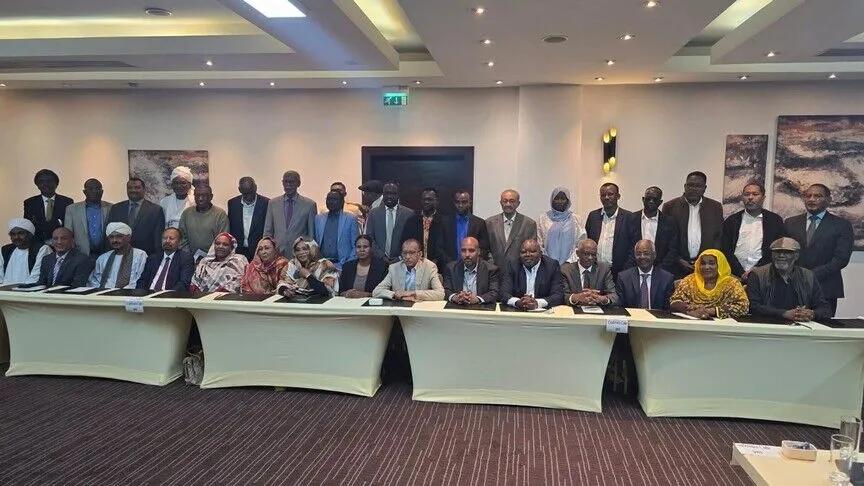
Sudan is living through a harsh ordeal imposed by the war, and the initiative of the dialogue preparatory committee is meant to prepare and facilitate Sudanese-Sudanese dialogue rather than monopolize it. The committee said it is not imposing a ready-made agenda, but working to bridge the gap between the parties through meetings and consultations so that they arrive at an agenda they agree upon. The initiative was presented during the first press conference of the Sudanese Dialogue Preparation Committee, which includes 19 Sudanese figures and is chaired by Qassim Badri, President of Al-Ahfad University.
The announcement came as the war between the army and the RSF has continued since April 2023, alongside a worsening humanitarian crisis and displacement, with the committee aiming to contribute to a ceasefire and open a path toward national consensus on the country’s future. The committee’s work also rests on state guarantees given legal form through decrees recorded in the official gazette, with the state role confined to logistical support and legal, political, and security guarantees necessary for a safe environment.
Support and backlash
Sudanese anti-war political and civil forces rejected the African Union’s endorsement of a “Sudanese-Sudanese Dialogue Initiative” proposed by Sovereignty Council President and Commander-in-Chief of the Sudanese Armed Forces (SAF) Lt Gen Abdelfattah El Burhan, warning that the process could legitimise military rule and deepen Sudan’s division. In a memorandum submitted on September 2 to the African Peace and Security Council and the AU Political Affairs, Peace and Security Commission, the groups said the endorsement contradicted the Peace and Security Council’s position that a humanitarian truce should lead to an immediate and comprehensive ceasefire before any political process. Othman Mirghani, spokesman for the Sudanese-Sudanese Dialogue Committee, welcomed the AU statement, telling Radio Dabanga that regional backing could help secure wider international support while preserving the committee’s independence.
Mirghani said the initiative sought direct dialogue among Sudanese inside the country and that the AU could help facilitate contacts with the UN, United States, UK and European Union. The paramilitary Rapid Support Forces aligned-government, Sudan Founding Alliance (Tasees) also rejected the AU endorsement, with Tasees spokesperson Ahmed Tagad Lisan saying El Burhan had called for the dialogue, formed its preparatory committee and determined its agenda and venue, giving the SAF’s leadership undue influence over the process.
Legal guarantees and next risks
As part of the dialogue initiative’s guarantees, the Sovereign Council chairman issued Decree No. 363 for 2026, ordering the removal of criminal reports filed by state agencies against Sudanese inside the country or abroad when connected to acts or statements deemed political opinions or positions, with the dropping of resulting charges.
Justice Minister Abdullah Darf stated that the decree is a direct response to the dialogue initiative’s demands and that judiciary, police, security, and other relevant authorities are obliged to implement it.
Darf also described temporary procedural immunity for participants in consultations and dialogue, starting from their entry into the country until their departure after participation ends, to prevent criminal proceedings against them during this period.
The Television Arabic report said Abdel Fattah al-Burhan issued a decision to expunge the charges filed against any Sudanese residing outside the country who entered or will enter Sudan for the purpose of participating in the national dialogue, and it quoted Justice Minister Abdullah Durf saying the move came in response to the National Initiative for launching the Sudanese–Sudanese dialogue.
At the same time, the anti-war forces warned that holding dialogue in territory controlled by one side of the conflict, without a prior ceasefire or broad participation, could entrench the political and territorial fragmentation created by the war.