Entertainment01 October, 20262 min read
Suzannah Mirghani Says Cotton Queen Connects Sudan’s Colonial Past And Women’s Stories
This article is an automated aggregation of coverage from news outlets. Our editorials offer in-depth analysis curated by the NewsCord team.
Mirghani’s debut feature makes her the first Sudanese woman to direct a feature. Follows Nafisa, a teenage girl in a cotton village, linking colonial past with present development.
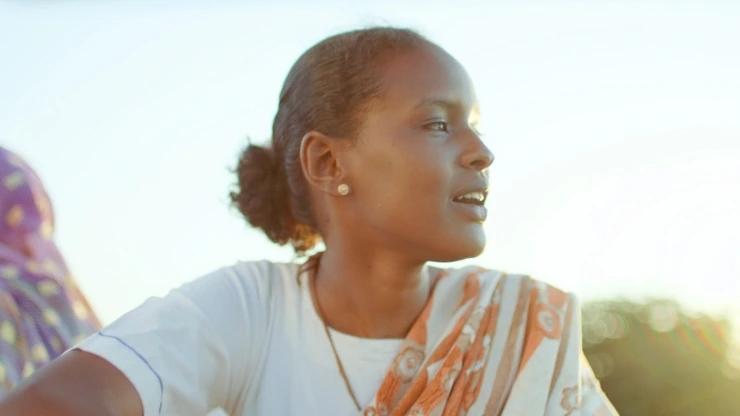
Cotton Queen and its roots
Suzannah Mirghani’s debut feature Cotton Queen (2025) follows Nafisa, a teenage girl growing up in a cotton-farming village where stories of Sudan’s colonial past collide with pressures of modern development, tradition, and changing agricultural practices. Mirghani told Radio Dabanga that the film’s vignettes are “sourced from my memories of living in Sudan over a period of 10 years, from childhood to adolescence.”
Mirghani said she grew up in a hosh (garden) in Omdurman, where her grandmother, mother, and sisters were central figures and storytelling was “an everyday activity.” Mirghani described cotton as a central subject that connects Sudanese history and contemporary moments, and she said, “Cotton connects so many themes.”
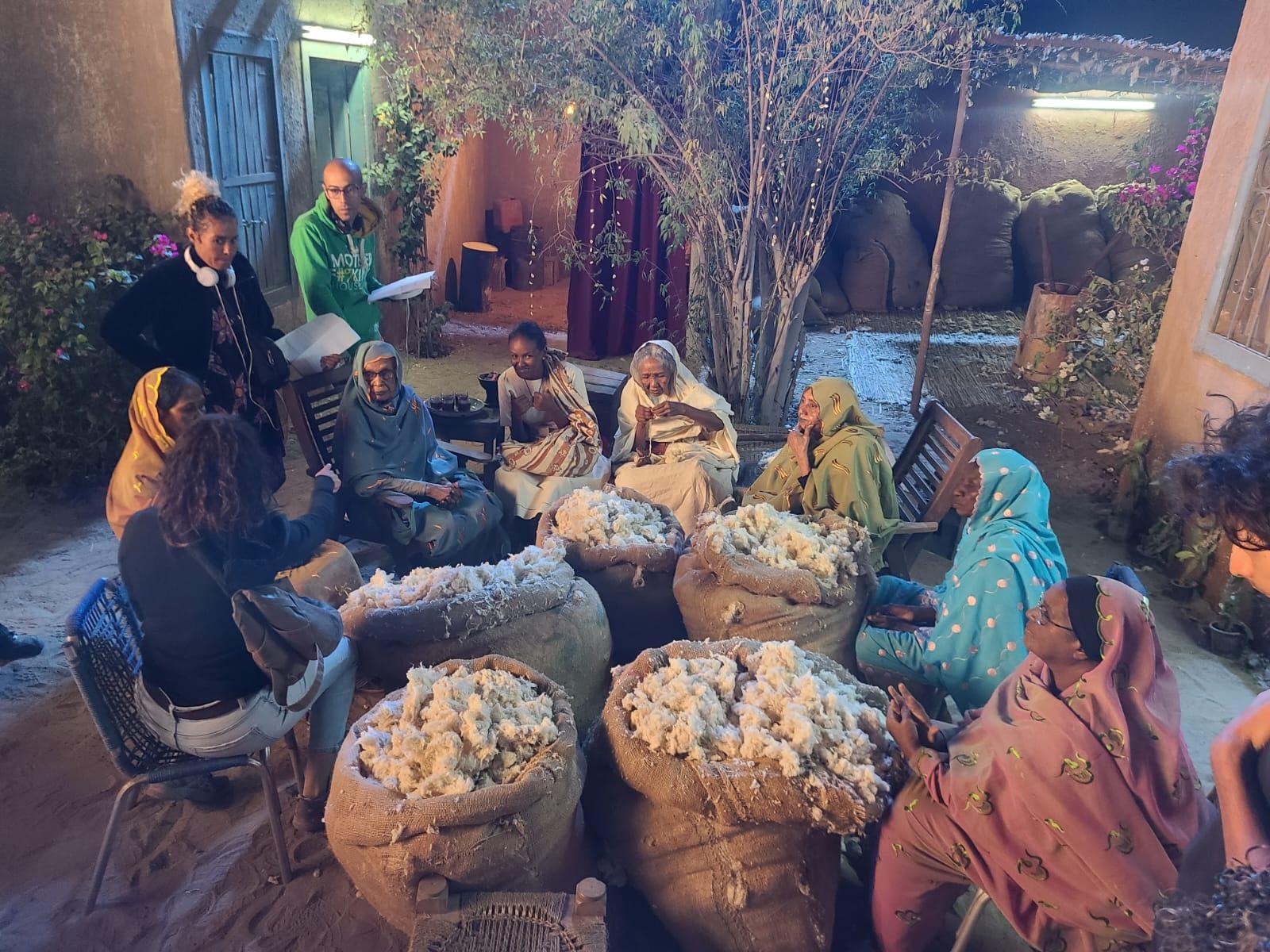
Magic realism and women
Mirghani framed Cotton Queen as reflecting “two sides of my relationship to Sudan,” with one side rooted in her childhood and the other in her adulthood. Mirghani said she remembers Sudan “very fondly” and has nostalgia for “a country filled with fairytales, folklore, magic and mysticism,” while she also acknowledged that adulthood brings “a very harsh reality.”
Hyphen Online described Cotton Queen as a story of women’s rights and the scars of British colonialism, with Nafisa contending with an arranged marriage she does not want. Mirghani explained that outside Sudan the practice is called female genital mutilation, but inside Sudan it is called “purification,” and she said it is “about control of girls’ bodies, control of their sexualities.”
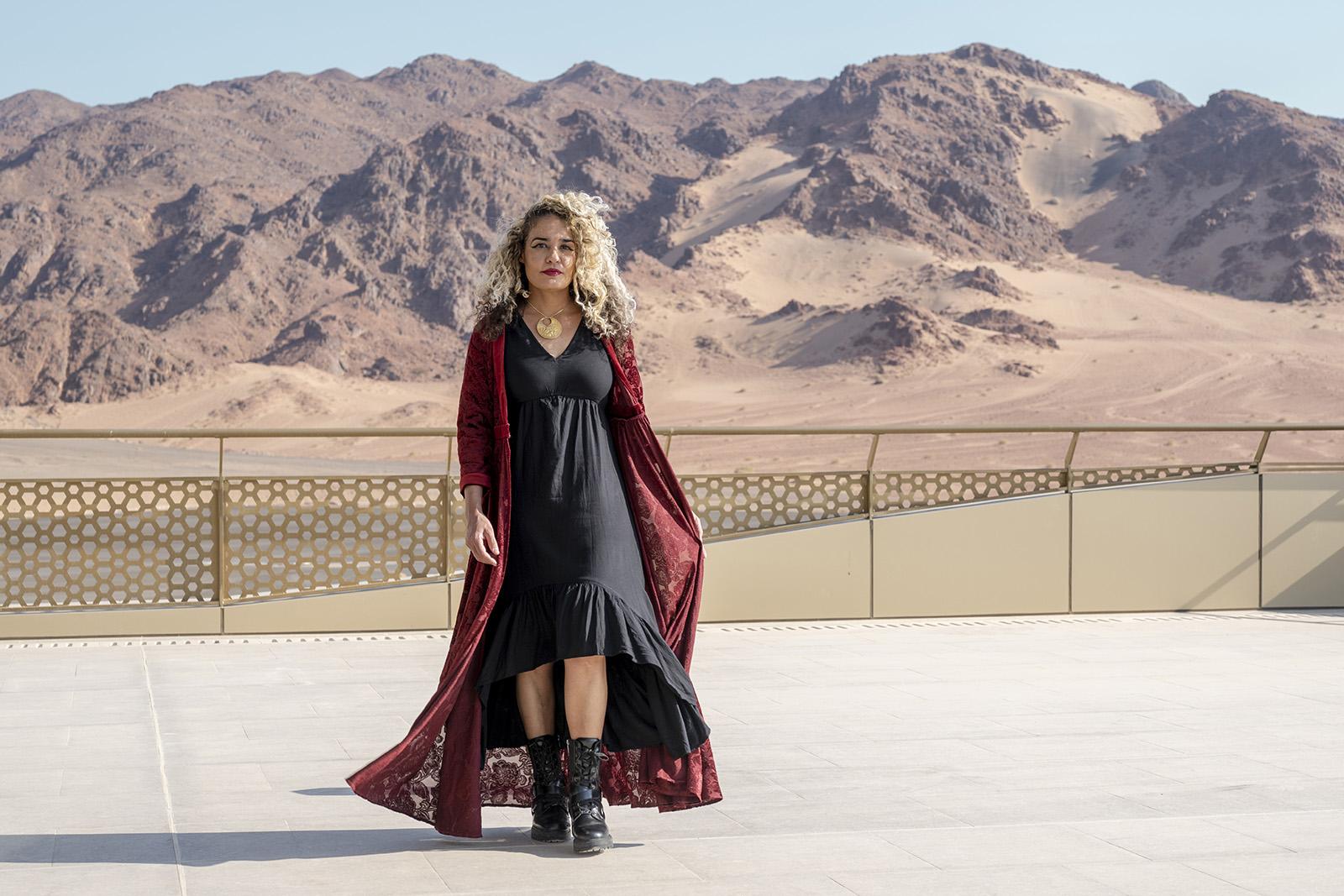
War, release, and legacy
Mirghani said she moved production after the civil war began, and she told Eye For Film that she thought she would “start small and reduce that script down to a short” before returning to “polish off the feature.” The Guardian said Mirghani was forced to cancel the original shoot in Sudan when war broke out in 2023, moving production to Egypt, and it called the result a pioneering Sudanese debut.
The People’s Movies set Cotton Queen in a cotton-farming village in Sudan and described Nafisa as a 15-year-old who spends her time picking cotton, writing poetry, and dreaming about her romantic future. Eye For Film said the film is released in the UK by the T A P E Collective on October 2, and it described the Cotton Queen as a beauty competition that started in the 1930s in England in the mills of Lancashire and Manchester.