Other24 August, 20263 min read
Syria Holds US-Mediated Talks With Israel in Jordan to De-Escalate After Israeli Strikes
This article is an automated aggregation of coverage from news outlets. Our editorials offer in-depth analysis curated by the NewsCord team.
Syrian Foreign Minister and Mossad chief met in Jordan under US mediation. Aimed at de-escalation after Israeli strikes and reviving a security agreement.
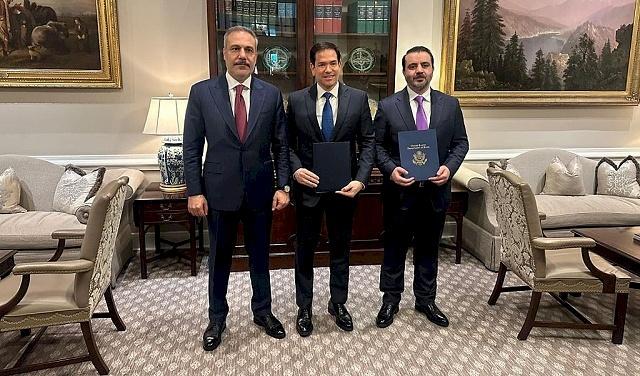
Syria seeks de-escalation
Syria said it held US-mediated talks with Israel in Jordan on Sunday to de-escalate after recent Israeli strikes and to keep Syria out of tensions between Israel and Turkey, an ally of Damascus. Gulf News quoted a diplomatic source at Syria’s foreign ministry saying Syrian and Israeli delegations met “under American mediation and hosted by Jordan” as part of efforts “aiming at de-escalation after recent Israeli bombardment of Syrian territory”.
Reuters reported that in a Reuters interview in Damascus on Saturday, Foreign Minister Asaad al-Shaibani said Syria expected negotiations to resume soon with Israel over a security deal that would lead to Israel’s withdrawal from Syrian land, and he urged Israel to seize a “historic opportunity”. Reuters also quoted Shaibani saying “We do not trust Israel currently,” while Al Jazeera reported that the discussions focused on “establishing practical mechanisms to halt Israeli attacks, arrests and targeting operations” and reviving negotiations for a lasting security agreement.
Mossad meets Shaibani
Al Jazeera reported that Syria’s Sana news agency said Foreign Minister Asaad al-Shaibani met the head of Israel’s Mossad intelligence agency, Roman Gofman, in Jordan as the two sides worked to de-escalate tensions following an Israeli attack on a Syrian airbase near the Turkish border. The Jerusalem Post said the meeting “went well” and that those in attendance included Mossad chief Roman Gofman and Syrian Foreign Minister Asaad al-Shaibani, with Shaibani saying the meeting dealt with halting Israeli attacks and renewing negotiations for a security agreement.
Reuters described Shaibani’s position that Syria prioritizes halting Israeli attacks and confidence-building steps, while Al Jazeera quoted a political analyst, Hassan Mneimneh, saying the current round of talks was unlikely to de-escalate tensions given Israel’s track record. In the same Al Jazeera report, Mneimneh said Syria was “afraid that the country will become a battlefield” between Israel and Turkiye and concerned about Israel’s territorial grab stretching “all the way to Hermon, to Jabal al-Sheikh in its totality almost, and all the way to three southern provinces”.

Abu al-Duhur and next steps
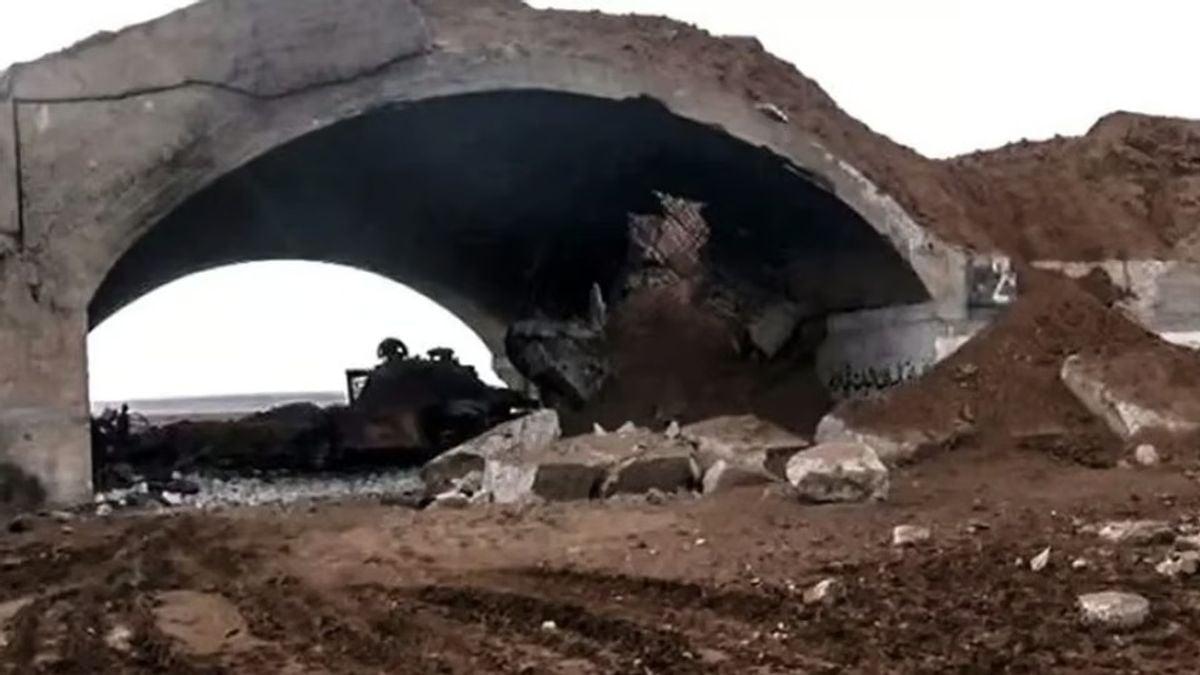
The talks came after Israel bombed the disused Abu Duhur airbase in Syria’s northwest earlier in the week, claiming it wanted to avert Turkish troops deploying to the facility, while Ankara denied any visit to the site. Gulf News said the tensions spiked after Israeli airstrikes hit the Abu al-Duhur airbase on August 18, 2026, and it reported that Israel claimed the strike was a preemptive move to stop Syria from allowing Turkish forces and air-defense systems to deploy at the base.
Reuters reported that Shaibani said contact between Syria and Israel was cut after the airbase strike and that “The U.S. is trying continuously to put pressure on Israel to return to the dialogue table,” while Reuters also said no date had been set for resumption. Al Jazeera added that Syria’s immediate priorities in the talks remained an Israeli withdrawal to positions held before al-Assad’s overthrow and the full restoration of a 1974 disengagement agreement, and it said the Syrian side rejected “any arrangements or mechanisms that would restrict these sovereign rights,” it said.