Finance31 August, 20263 min read
Syria Records $1 Billion First-Half 2026 Budget Deficit as Spending Outpaces Revenue
This article is an automated aggregation of coverage from news outlets. Our editorials offer in-depth analysis curated by the NewsCord team.
Public revenues totaled about $2.7 billion in the first half of 2026. Public expenditures reached about $3.7 billion, yielding roughly a $1 billion deficit.
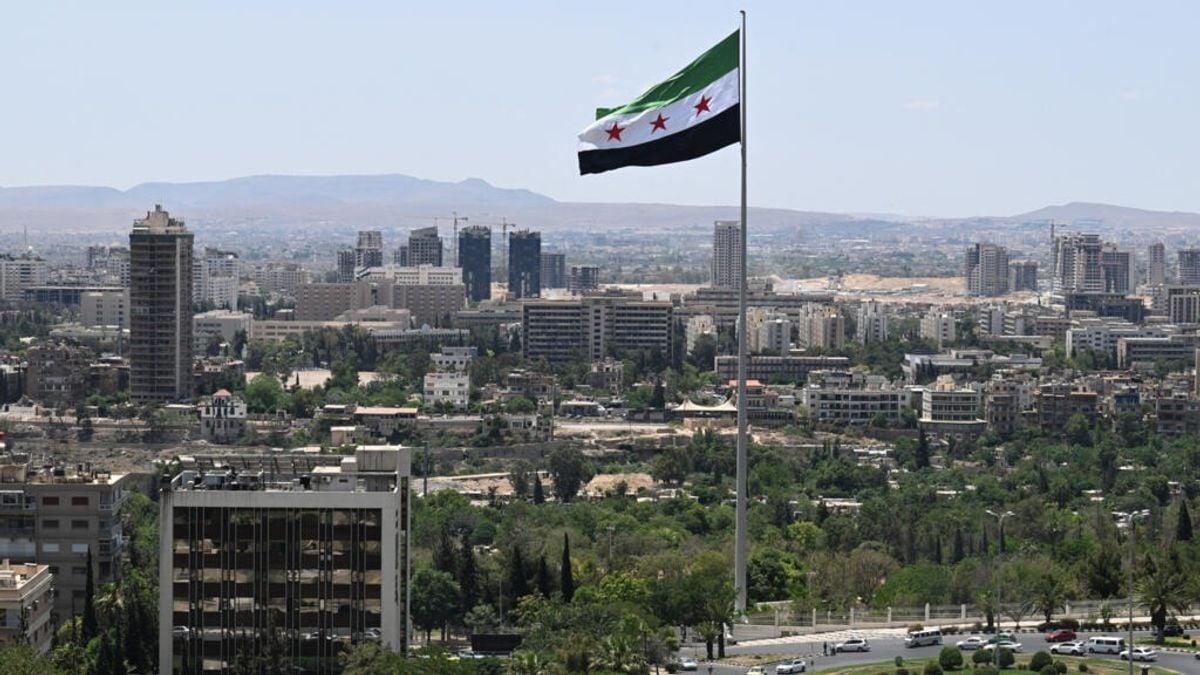
Midyear deficit emerges
Syria’s state budget recorded a deficit of USD 1 billion in the first half of 2026, with revenues at over USD 2.69 billion and expenditures at USD 3.7 billion, according to figures published by theMinistry of Financeon Monday. Finance Minister Mohammed Barnieh said public revenue reached approximately $2.7 billion during the period compared with expenditure of $3.7 billion, as spending outpaced revenue amid higher wages, rising import costs and increased expenditure on government priorities. The ministry said fiscal revenues doubled compared to the same period last year, while expenditure expanded at a much faster pace, shifting public finances from a surplus in the first half of 2025 to a deficit during the same period in 2026.
Barnieh attributed the faster expenditure growth primarily to salary and wage increases, expanded spending on government priorities, and higher costs for goods, services, and production inputs driven by regional developments and rising import prices. SANA said the deficit did not result from falling state revenue, noting that oil and gas proceeds began being transferred to the Finance Ministry only in May, meaning a major source of projected state revenue was reflected for only part of the first-half reporting period.

Minister points to timing
Barnieh said the government collected about 31 percent of its estimated annual revenue while executing 35 percent of approved expenditure, and he linked the spending surge to salary and wage increases and expanded spending on government priorities. He also said, “We expect spending to increase during the second half of the year as the full impact of salary and wage increases is felt, and project implementation and investment spending accelerate,” while the ministry attributed the deficit to the pace mismatch between revenue and expenditure. The Syrian Ministry of Finance said revenues rose by about 111 percent compared with the first half of 2025, while spending rose by approximately 331 percent, and it framed the oil and gas inflow as beginning in May.
SANA reported that revenue reached about 31% of the annual estimate in the first six months, while expenditure accounted for around 35% of approved spending. The ministry’s report also said it was preparing the 2027 state budget and aimed to complete the process before the end of the third quarter, with planned improvements to budget preparation, implementation and digitalization.
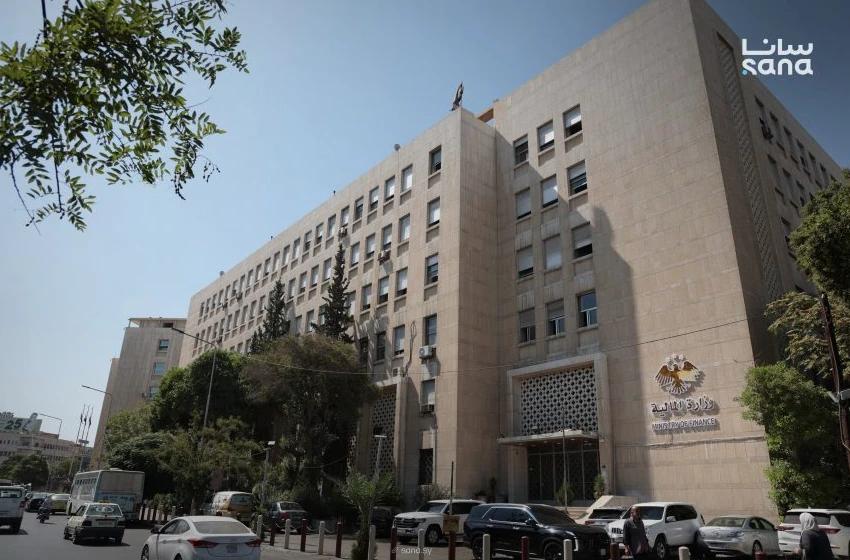
What’s at stake next
The midyear figures placed Syria’s finances under continued pressure because the ministry expected spending to accelerate in the second half as the full effect of salary and wage increases appears and project implementation and investment spending gather pace, particularly to support affected areas. The Ministry of Finance said it financed the deficit through short-term investment funding payable within the year, and it estimated that this approach limited its expected impact on the economy. The IMF said in August that Syria’s central government budget ended 2025 with a small surplus after expenditure was restricted to available resources and focused on essential needs, while it expected revenue to rise substantially in 2026 supported by stronger tax and customs receipts, increasing hydrocarbon income and one-off revenue from telecommunications licenses and fuel transit fees.
The IMF also called for stronger oversight of off-budget operations, quasi-fiscal activities and contingent liabilities, alongside tax reforms and improvements to tax and customs administration. In parallel, the ministry’s disclosure said the first-half figures did not include proceeds from the sale of the second mobile phone license, expected to be deposited in the second half of the year, and it said those proceeds were intended to support capital spending in affected areas and promote entrepreneurship and startups in the tech sector.