Syria03 October, 20263 min read
Syria Sends Delegation to Rome Coalition Talks, Including Abdul Qadir Tahhan
This article is an automated aggregation of coverage from news outlets. Our editorials offer in-depth analysis curated by the NewsCord team.
Syrian delegation led by Abdul Qadir Tahhan attended the Rome Global Coalition to Defeat ISIS. US and Italy co-chaired the Rome talks, pledging over $75 million for Iraq, Syria.
5 outlets told this the same way.
Outlets did split on Asad Al-Shaibani Meets Saddam Haftar in Benghazi Over Syrian Consulate And Missing Syrians →
Rome meeting and Syria’s role
A high-level Syrian delegation, including Head of the General Intelligence Directorate Abdul Qadir Tahhan, participated in the meetings of the International Coalition to Defeat ISIS in Rome, Italy on October 1, 2026. Thomas Barrack, the American ambassador to Turkey, described the phase as a new and great chapter and praised the sacrifices that led to the dismantling of the territorial caliphate by Americans, coalition partners, and the Iraqis and Syrians who fought for their homeland’s future. Muayad Ghazlan Qablaoui, head of the Information Committee in the People’s Assembly, said Rome’s meetings conveyed a message that any social division or calls for secession in Syria are rejected by the international community.
Qablaoui also said Syria’s participation constitutes international recognition of Syria’s success in combating ISIS and that Syria can fill the vacuum left by the withdrawal of American forces from their bases in al-Shaddadi or al-Tanf. Ahmed Mazar Saadu said Syria’s presence and participation in the coalition against ISIS falls within Syrian policies that reflect international acceptance of Syria as a rising, new state in the battle against terrorism.

Coalition pledges and official framing
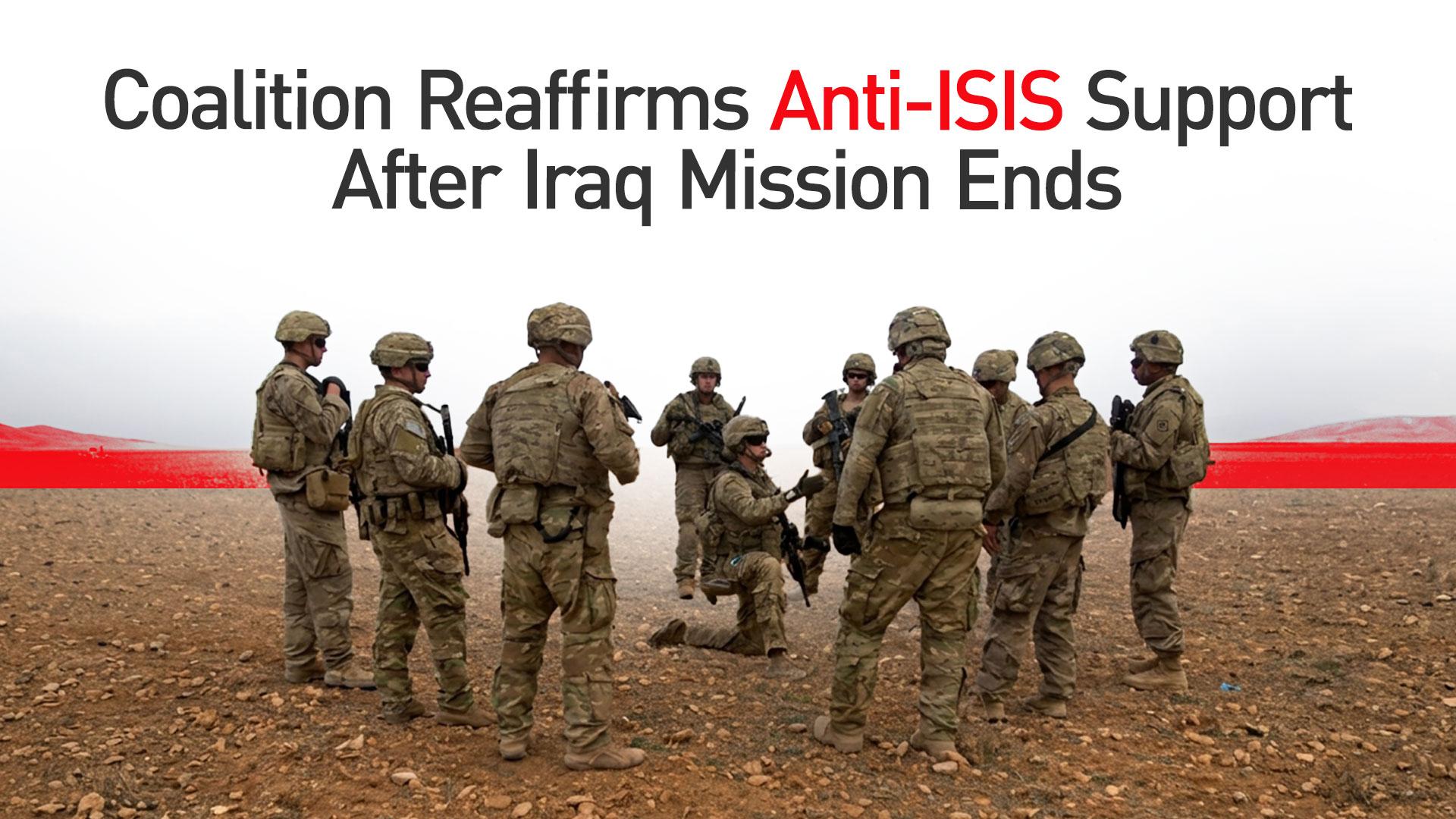
The United States and Italy co-chaired a meeting of the Global Coalition to Defeat ISIS/Daesh in Rome on October 1, 2026, where coalition members pledged more than $75 million for counterterrorism, detention facilities and humanitarian support in Iraq and Syria.
The U.S. Department of State said the coalition welcomed a Damascus ally that acknowledges ISIS threats and demonstrates clear determination to cooperate to curb them, and it framed the end of Operation Inherent Resolve in Iraq as “true victory of the collective efforts of the Coalition”.

The State Department also said coalition partners congratulated Iraq and Syria on the progress made in degrading ISIS through Operation Inherent Resolve (OIR).
The coalition emphasized that lasting peace and security in both countries would depend on building inclusive state institutions capable of protecting citizens and representing different communities.
The meeting participants reaffirmed the coalition’s role as a tool for strengthening Iraq and Syria’s stability while shifting emphasis toward strengthening the two countries’ own institutions and counterterrorism capabilities.
Detention, reintegration, and next steps
Qatar participated in the Rome meeting of the Global Coalition to Defeat ISIS in Iraq and Syria, with HE Khalid bin Youssef Al Sada representing the State of Qatar as Ambassador to the Italian Republic and Permanent Representative to UN agencies in Rome.
Participants discussed ways to identify the financial and logistical support needed to ensure the safe detention of individuals affiliated with ISIS who are in Iraq and Syria or have been displaced to them, as well as their repatriation, rehabilitation and reintegration into society, and prosecution where appropriate.
The coalition’s commitments included funding to expand prison capacities, upgrade healthcare and sanitation infrastructure, and support displaced persons and detainees across both countries.
The U.S. Department of State said the Syrian government presented what it considers priority counterterrorism needs and areas where international support remains necessary.
The Rome meeting also placed the post-OIR security phase on a continuing international framework, with coalition countries presenting their role as supporting Iraqi and Syrian institutions, counterterrorism capabilities, detention systems and stabilization needs.