Syria27 October, 20252 min read
Syria Signs Deal to Lay First International Subsea Internet Cable
This article is an automated aggregation of coverage from news outlets. Our editorials offer in-depth analysis curated by the NewsCord team.
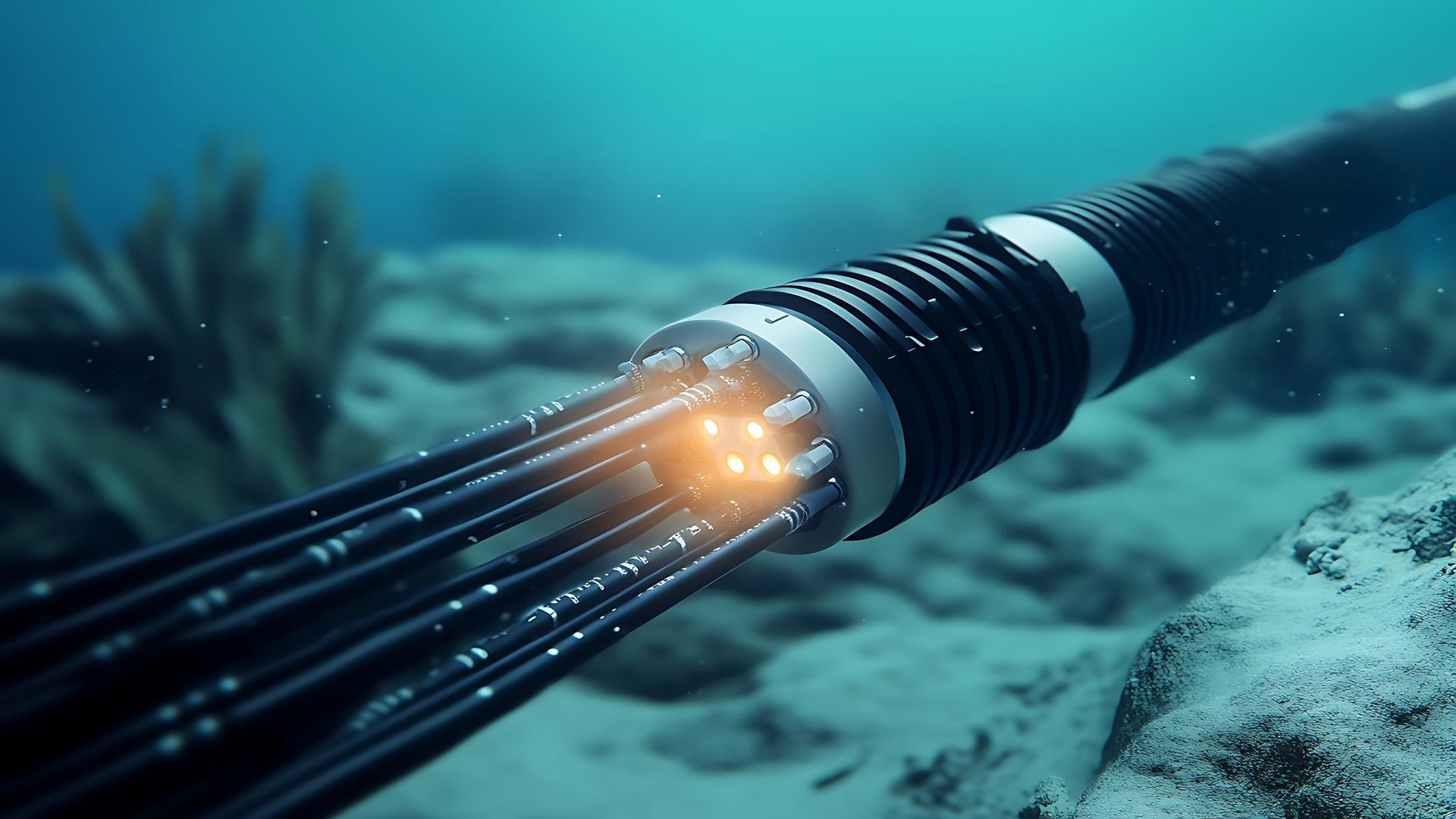
Syria signed an agreement with Spain’s Medusa to land its first international submarine cable. The cable will connect Syria to 12 countries across North Africa and southern Europe.
5 outlets told this the same way.
Outlets did split on Asad Al-Shaibani Meets Saddam Haftar in Benghazi Over Syrian Consulate And Missing Syrians →
Syria's First Subsea Internet Cable
Syria has signed a deal with the Medusa Submarine Cable System to lay its first international subsea internet cable. This move is described as Syria's first direct connection to the global internet and a major upgrade to national infrastructure. Western alternative outlet The Media Line reports that the Syrian Telecommunications Company reached an agreement with Spain’s Medusa to build the Mediterranean link.
“The Syrian Telecommunications Company has signed an agreement with Spain’s Medusa to lay Syria’s first international submarine internet cable through the Mediterranean Sea.”
The aim of the project is to boost internet speed, reliability, and capacity while reducing reliance on overland routes. West Asian outlet LBCI Lebanon similarly reports an agreement with the Barcelona-based Medusa system to establish Syria’s first international submarine cable. LBCI Lebanon frames the project as a significant milestone for the country.
Western mainstream source MarketScreener provides no technical detail about the deal, only noting the need to carefully review related descriptions. This contrasts with the more substantive accounts from The Media Line and LBCI.
Medusa Cable Network Overview
According to The Media Line, the Medusa cable will directly link Syria to global networks, improving internet speed and stability and cutting costs by bypassing regional intermediaries and overland routes. The project is also described as restoring Syria’s role in regional data networks that were disrupted by war and sanctions. LBCI Lebanon provides geographic details, stating that the Medusa system will connect 12 countries across North Africa and southern Europe.
It will serve as a vital link between the Mediterranean, Atlantic, and Red Sea. MarketScreener does not provide technical or geographic specifics, offering only a general note about careful review of descriptions.

Regional Telecom Infrastructure Deal
The Media Line places the deal within a broader regional trend, highlighting that Middle Eastern countries are expanding submarine cable infrastructure that carries over 95% of global internet traffic. It states that the project will support data centers, cloud services, digital economy growth, and modern governance in Syria.
“The initiative aligns with broader Middle Eastern efforts to expand submarine cable infrastructure, which carries over 95% of global internet traffic.”
LBCI Lebanon describes the agreement as a significant advancement in international telecommunications for Syria, emphasizing its milestone nature. In contrast, MarketScreener provides no context or metrics regarding global traffic shares or regional strategies.
Syria's Digital Connectivity Upgrade
Looking ahead, The Media Line reports that the Medusa link is expected to lower costs, improve service stability, and reintegrate Syria into digital corridors connecting Europe, North Africa, and West Asia. This development could potentially restore Syria's role after disruptions caused by war and sanctions. LBCI Lebanon highlights the cable’s strategic geography, which spans 12 countries and bridges the Mediterranean, Atlantic, and Red Sea.
This positioning places Syria within wider regional and intercontinental routes. MarketScreener provides no forward-looking analysis beyond its generic advisory tone.
