Syrian Artist Tammam Azzam Says His Work Is A Visual Language
Key Takeaways
- Tammam Azzam is depicted as an artist who values discussion over interpretation.
- He avoids adding extra rumination to what he has expressed online.
- The other two articles do not mention him, covering unrelated topics.
Artists, exile, and memory
In an interview with Arab News FR, the Syrian artist Tammam Azzam said that when he talks about his work he is “not particularly interested in adding a layer of rumination” and that “it is simply a visual language.”
“LONDON: A strange thing for artists to hear people’s theories about their art”
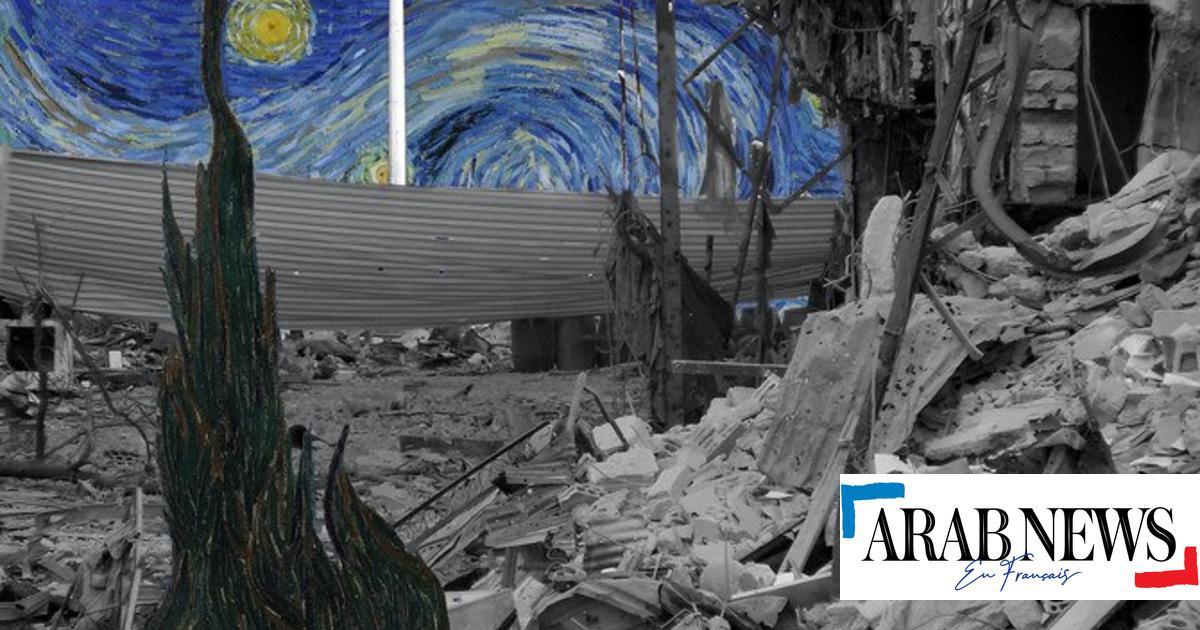
Azzam described his 2013 photomontage series Syrian Museum as integrating “famous masterpieces into scenes representing the destruction wrought by the civil war that continues in his country.”
He said his 2011 flight from Syria was driven by the loss of his studio and materials, and he recalled that “It took me three years to adjust to life in Dubai.”
Azzam also said his parents “barely” have “a few hours of electricity per day and no gas to heat the house,” and he tied his family’s dispersion to “the war.”
A journalist’s shattered path
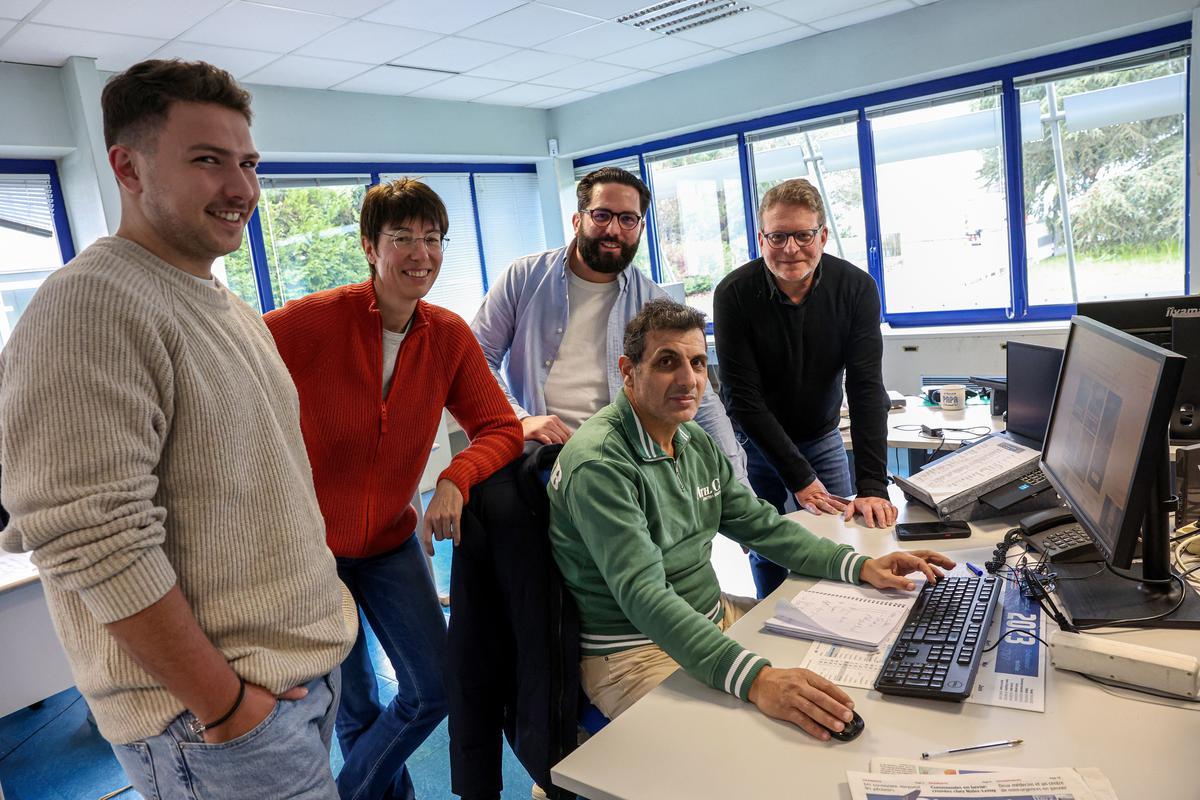
Charente Libre profiled Jawdat Hasoun, a 51-year-old Syrian who spent fifteen days in the CL newsroom and said, “I am nostalgic for this profession.”
Hasoun described working at the regional daily Al Ouroba in Homs as editor, reporter, and editorial secretary, and he said that “Every day on the front page of my newspaper, the space in the upper right was devoted to telling Bashar’s day and praising him.”
He recounted fleeing his home in a hurry on March 27, 2012, at “precisely 1:00 p.m.,” and he said that “At 5:00 p.m., it was bombed and destroyed.”
Hasoun added that his sister tried to escape on a moped with her two children, but “A bomb hit them,” and he said “My sister’s two legs were torn off. Her children died.”
A new Syria, unfulfilled
In L'Orient Today, Loubna Mrie is presented as a 20-year-old who left her coastal hometown of Jableh in 2011 to join Damascus and “the revolution,” becoming a journalist who covered “the bombings of eastern Aleppo.”
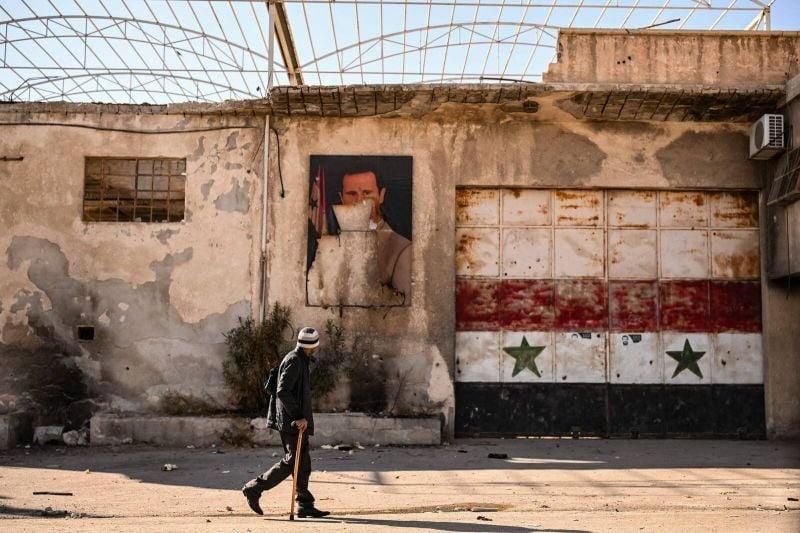
“A man walks past a vandalized portrait of ousted president Bashar al-Assad is pictured in the town of Adra on the northeast outskirts of Damascus on Dec”
The article frames her as growing up under the shadow of her father in the Air Force Intelligence, and it says her father, Jawdat Mrie, was “Head of security for Bassel al-Assad.”
L'Orient Today also quotes her view of what came after, saying: “The idea of a new Syria where we can speak freely has gone up in smoke.”
It situates her story in a wider arc that includes the 2024 image of a vandalized portrait of ousted president Bashar al-Assad in Adra, and it states that “Islamist-led rebels took Damascus in a lightning offensive on Dec. 8, ousting president Bashar al-Assad and ending five decades of Baath rule in Syria.”
More on Syria

Bomb Kills 10 at Al-Mushairiya Cafe in Central Damascus, Wounds 22
11 sources compared

Syria Signals Diplomacy After Asaad Al-Shaibani Lebanon Trip, Rejects Military Intervention Against Hezbollah
29 sources compared

Terrorist Bombing Kills 10, Injures 21 at Cafe Near Palace of Justice in Damascus
34 sources compared
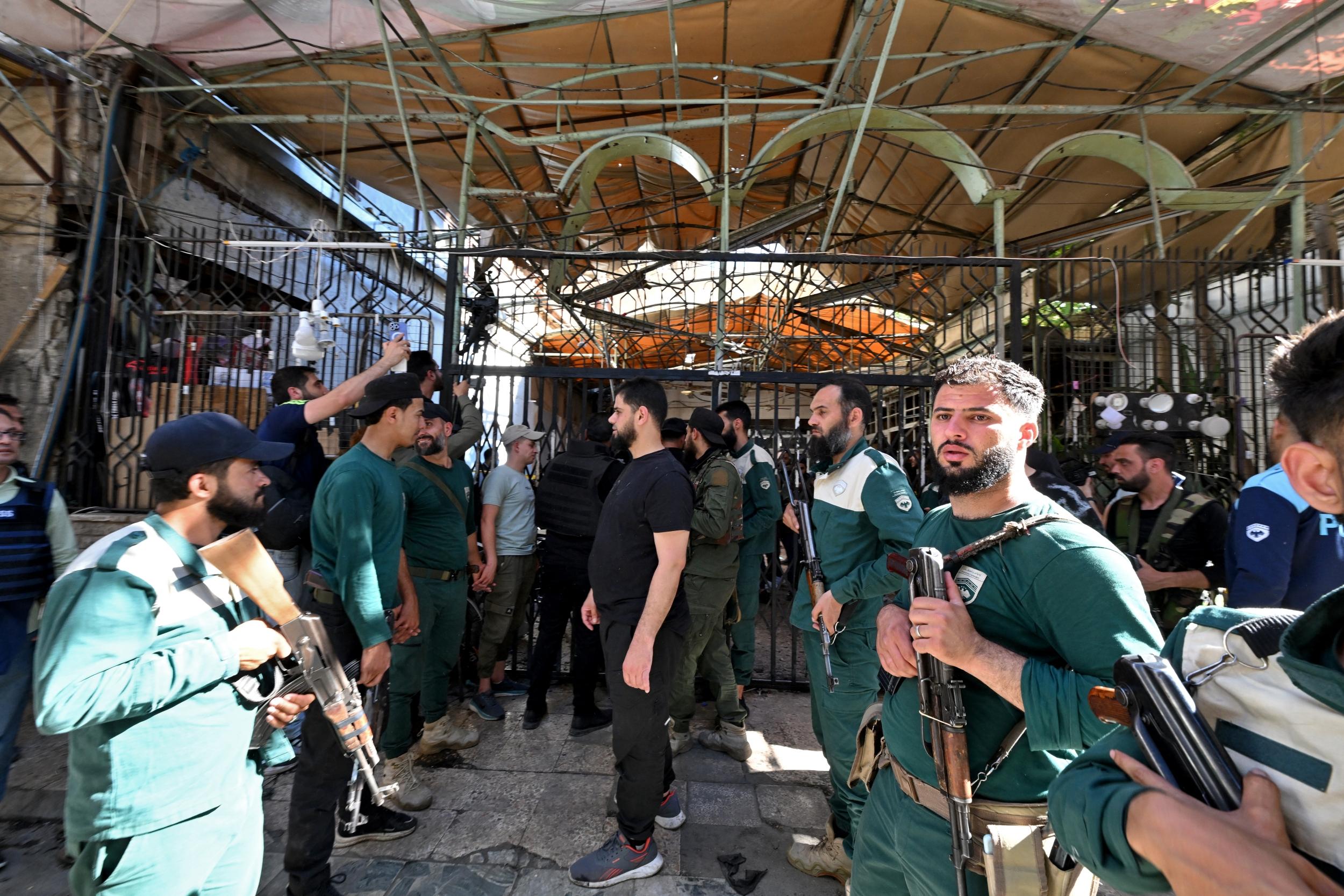
Explosion at Damascus Cafe Kills At Least Nine, Syria’s Ministry of Health Says
34 sources compared