Syria29 September, 20252 min read
Syrian Authorities Issue Arrest Warrant for Ousted President Bashar al-Assad
Syrian court issued an in absentia arrest warrant for Bashar al-Assad over 2011 Daraa crimes. Charges include premeditated murder, torture leading to death, and deprivation of liberty.
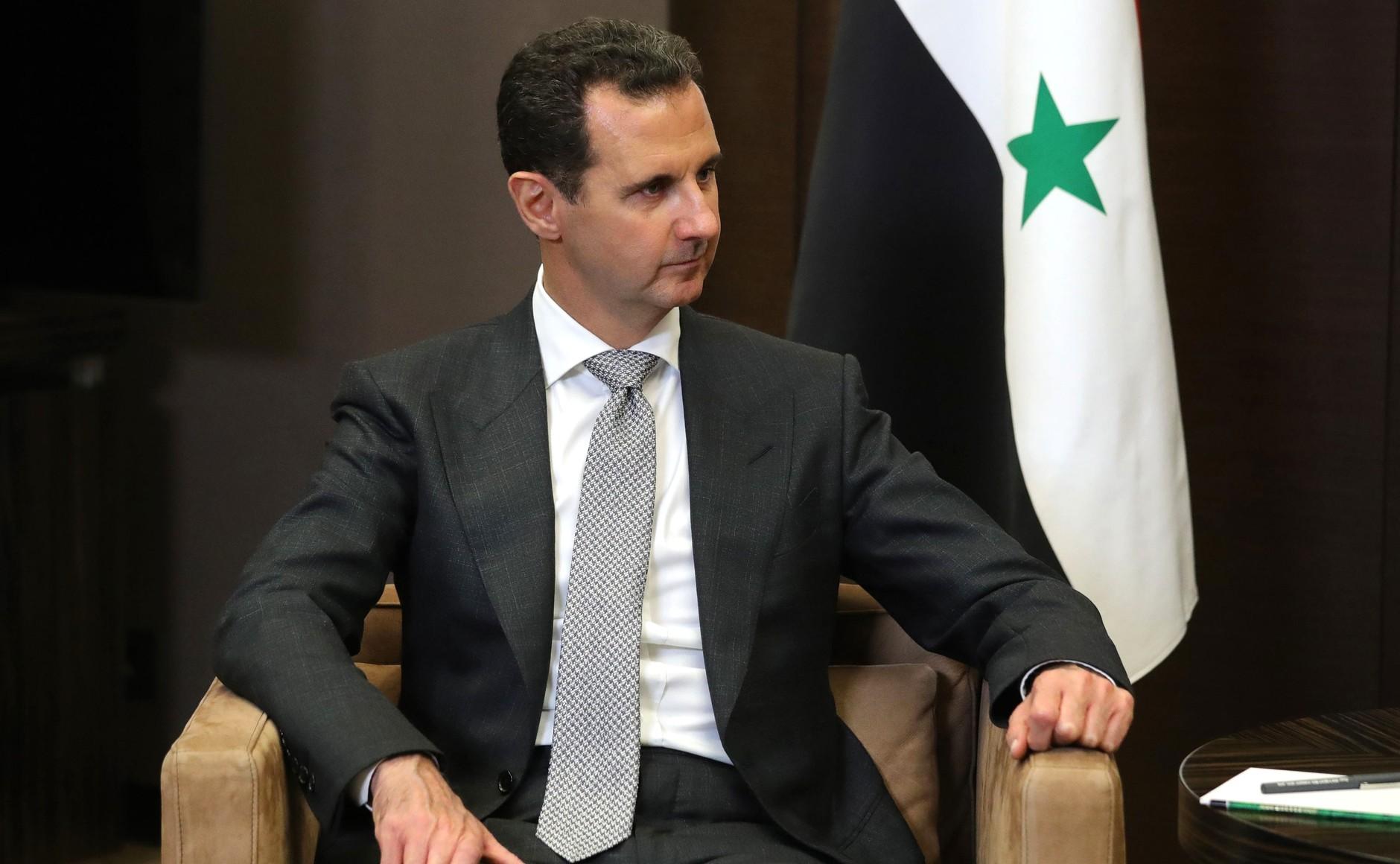
15 outlets told this the same way.
Outlets did split on France Suspends Police Stun Grenades at High School Protests After 15-Year-Old Loses Hand →
Syrian Arrest Warrant and Accountability
Syrian authorities have issued an arrest warrant in absentia for former President Bashar al-Assad.
“The warrant, announced by an investigating judge and reported by the state-run SANA agency, may lead to INTERPOL cooperation for international pursuit.”
He is accused of crimes related to the 2011 Daraa incidents, including premeditated murder, torture leading to death, and deprivation of liberty.

This development follows Assad's ousting in December 2024 after Syrian rebels took control, ending years of civil war marked by widespread atrocities under his regime.
The warrant was announced by an investigating judge and reported by the state-run SANA agency.
It may lead to INTERPOL cooperation for international pursuit.
Experts like David M. Crane emphasize the need for international accountability and a regional justice mechanism to try Syrian leaders.
Accountability for Syrian Conflict
The arrest warrant for Assad is part of a broader effort to hold him accountable for the violent suppression of protests in Daraa in 2011. These protests marked the beginning of the Syrian civil war. The crackdown led to armed conflict and allowed extremist groups like Jabhat al-Nusra to gain control in parts of the province.
This legal action is seen as a significant step towards justice for the victims of Assad's regime. International bodies like INTERPOL may play a role in his arrest and extradition.

Global Reactions to Assad Warrant
The international response to the arrest warrant has been mixed, with some countries supporting Syria's efforts to hold Assad accountable. Ukraine, for instance, has endorsed the warrant, with President Volodymyr Zelenskyy criticizing Russia for providing asylum to Assad.
“Ukrainian President Volodymyr Zelenskyy endorsed efforts to hold Assad accountable, criticizing Russia for sheltering him in Moscow since December alongside former Ukrainian and other criminals.”
This highlights the geopolitical tensions surrounding Assad's asylum in Russia, which complicates efforts to bring him to justice. The Syrian Observatory for Human Rights and the United Nations have documented over 600,000 deaths and the displacement of more than half of Syria's prewar population, underscoring the scale of the conflict and the need for accountability.
Syria's Justice and Governance Efforts
The issuance of the arrest warrant is part of Syria's broader efforts to establish new governance frameworks emphasizing separation of powers and judicial independence. The National Authority for Transitional Justice in Syria is working with international bodies to hold Assad family members and former officials accountable for crimes against the Syrian people. Legal actions have commenced against several former regime figures, and experts suggest that while upcoming elections and reforms could affect how past crimes are addressed, ongoing instability means that achieving justice for mass violations will require continued international oversight and dialogue.