Lebanon03 July, 20263 min read
Syrian Foreign Minister Asaad Al-Shaibani Signs Beirut Deal With PM Nawaf Salam To Form Higher Committee
This article is an automated aggregation of coverage from news outlets. Our editorials offer in-depth analysis curated by the NewsCord team.
Lebanon and Syria formed a ministerial committee to boost security coordination and expand economic ties. The agreement was signed during the Beirut visit by Asaad Al-Shaibani and Nawaf Salam.
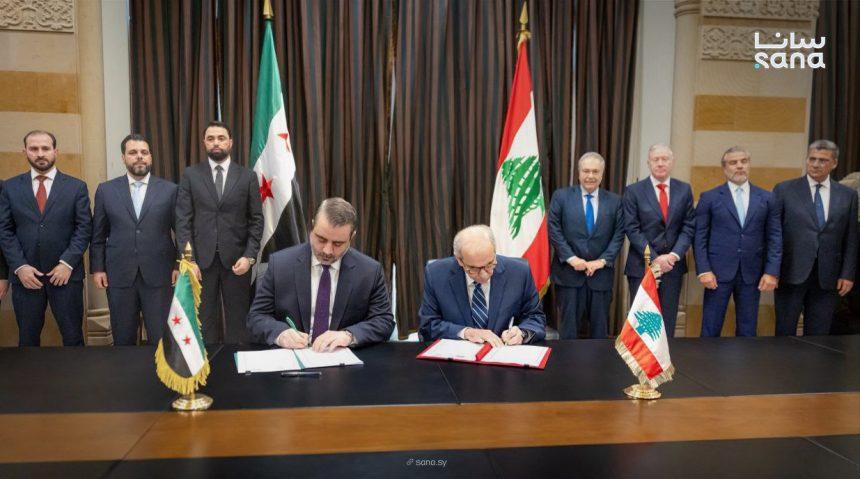
Committee signed in Beirut
Syrian Foreign Minister Asaad Al-Shaibani visited Beirut on Thursday, and the talks with Lebanese Prime Minister Nawaf Salam culminated in an agreement to establish a joint Syrian-Lebanese Higher Committee comprising ministers from both countries. At a joint press conference, Salam said, “Today, we finalized an agreement to establish a joint Syrian-Lebanese Higher Committee comprising ministers from both countries,” adding that the committee “will meet regularly to strengthen bilateral cooperation.” The agreement was signed in Beirut by Al-Shaibani and Salam, according to the Syrian state news agency SANA, with the committee described as a framework to expand economic cooperation and strengthen security coordination.
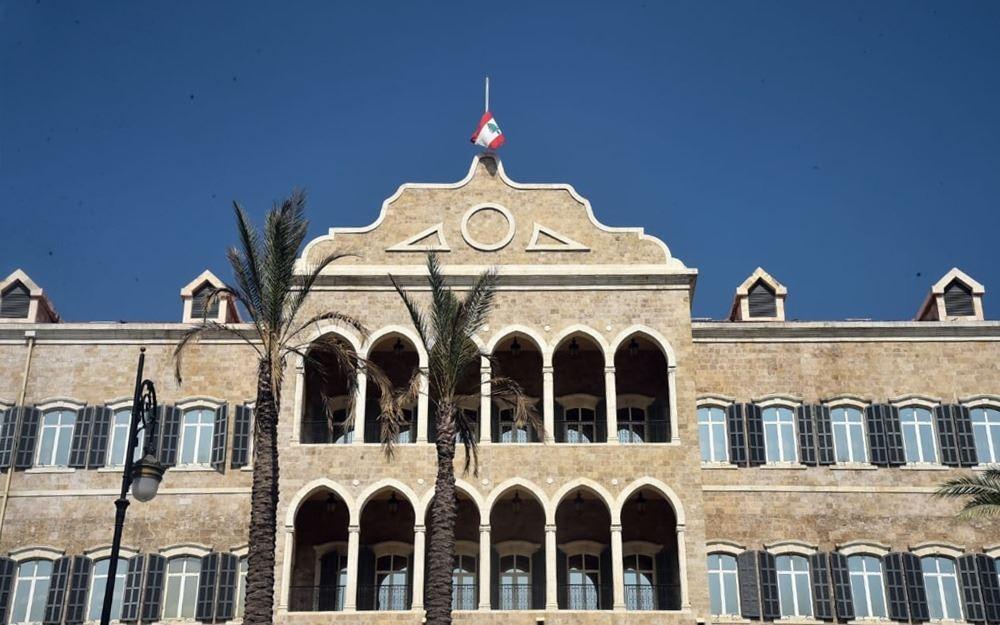
The discussions at Baabda Palace also focused on electricity interconnection, transportation, imports and exports, and easing the movement of people between Syria and Lebanon, while both sides stressed the importance of respecting each other’s sovereignty. Al-Shaibani described his Beirut visit as a sign of Syria’s “support for Lebanon’s sovereignty and our commitment to building a healthy and constructive relationship between our two countries.”

Security, economy, and sovereignty
The Lebanese-Syrian reset described in the coverage frames the committee as part of a shift toward “state-to-state” cooperation, with the priorities set in Salam’s Syria visit including border control, combatting smuggling, organizing border crossings, and the issue of Syrian refugees. In that same reporting, it was agreed to activate joint committees and to establish a Lebanese-Syrian Business Council to facilitate economic and investment cooperation between the two countries.
The Al-Shaibani-Salam agreement also tied the committee to security coordination and economic cooperation, with Al-Shaibani saying the partnership would provide “a platform for expanding economic cooperation and strengthening security coordination between our two countries.” The reporting also says Al-Shaibani told Lebanon’s president that Damascus had no intention of intervening militarily in Lebanon despite US pressure, and that he wanted “to clear up the confusion sparked by reports of a potential Syrian military intervention in Lebanon.”
What comes next
The coverage of the committee’s creation places it alongside a broader effort to reorganize bilateral relations after the suspension of the Lebanese-Syrian Higher Council’s activities, with the new committee described as a practical substitute for the abolished higher-level framework. In the May 22, 2026 account, An-Nahar said the Cabinet would study, in its first item on the agenda, a draft agreement to establish a joint Higher Committee between the governments of Lebanon and Syria, and that the committee would be chaired by the Lebanese prime minister with his Syrian counterpart as co-chair. The same report says establishing a high-level committee at this level requires a government decision, and that amendments to agreements or treaties signed with Syria could require enacting laws to put them into effect.
It also recalls that the Higher Council and joint committees had organized political, economic, and security relations since the early 1990s after the signing of the “Treaty of Brotherhood, Cooperation and Coordination” between Lebanon and Syria on May 22, 1991. In the Al-Shaibani-Salam reporting, the committee’s agenda is linked to electricity interconnection, transportation, imports and exports, and easing movement of people, with both sides stressing sovereignty as they move into regular meetings.