Syria08 January, 20262 min read
Syrian Government Forces Expel Kurdish-Led SDF From Aleppo After Days of Deadly Fighting
This article is an automated aggregation of coverage from news outlets. Our editorials offer in-depth analysis curated by the NewsCord team.
Last SDF fighters withdrew from Aleppo after a ceasefire deal. Internationally mediated ceasefire secured evacuation of fighters, wounded, and trapped civilians to northern/eastern Syria.

12 outlets told this the same way.
Outlets did split on France Suspends Police Stun Grenades at High School Protests After 15-Year-Old Loses Hand →
Aleppo SDF evacuations
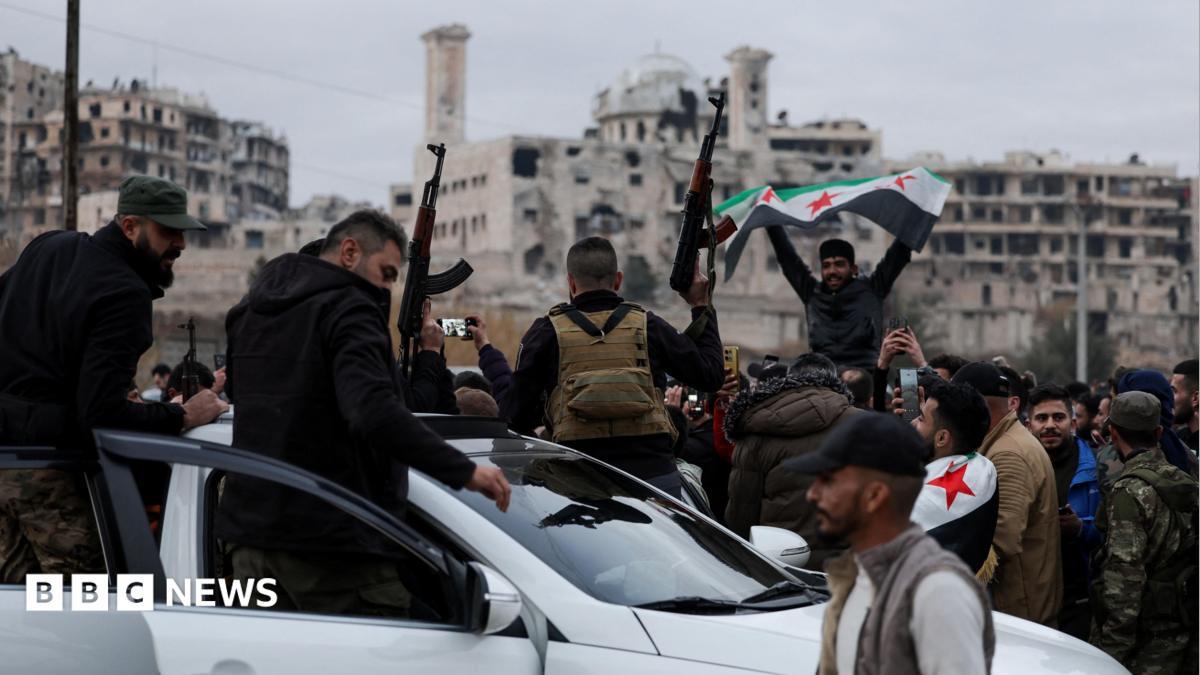
After several days of intense fighting in Aleppo, Kurdish-led Syrian Democratic Forces (SDF) elements left the city under an internationally mediated ceasefire that allowed evacuations from the Ashrafiyeh and Sheikh Maqsud neighbourhoods. State media and local officials reported buses carrying surrendered SDF members heading northeast, and Aleppo's governor said fighters left, while the SDF initially denied a withdrawal and described some transfers as forced displacement. Multiple outlets reported the evacuated fighters and civilians were being moved to northern and eastern Syria, with some reports specifying Raqqa as the destination for SDF fighters.
“Syria’s Kurdish-led Syrian Democratic Forces (SDF) said on Sunday they agreed to a ceasefire and to withdraw from Aleppo’s Kurdish-held neighbourhoods... The deal... included evacuating the dead, wounded, trapped civilians and fighters from Ashrafiyeh and Sheikh Maqsud to northern and eastern Syria.”
Casualty and displacement reports
Estimates of casualties and displacement vary across reports. France 24 and The Sun Malaysia cited at least 21 civilians killed and officials saying about 155,000 people fled their homes. Al Jazeera and Tribune India reported higher tolls, saying at least 30 people were killed and more than 150,000 displaced.
Kurdistan24 offered a different figure - at least 23 civilians dead and nearly 100 wounded - and additionally reported severe damage to medical services in the neighbourhoods. The BBC gave a lower immediate toll (at least 12 people were killed) and spoke of tens of thousands fleeing, underscoring that counts changed as reporting continued.
Clashes and stalled talks
Observers and commentators place the flare-up in the context of stalled talks over integrating the SDF into the Syrian state and longer-standing political disputes. Several outlets link the fighting to collapsed negotiations, noting the clashes followed the breakdown of integration talks.
“A March framework to integrate Kurdish forces collapsed over Kurdish demands for decentralised rule, which Damascus rejected.”
The Sun Malaysia and France 24 referenced a March framework and reported collapsed talks over Kurdish demands for decentralised rule. International actors reportedly mediated the ceasefire and urged a resumption of talks, with the United States and the European Union calling for political dialogue and some reports crediting US involvement in brokering the deal.
Searches, detentions and healthcare
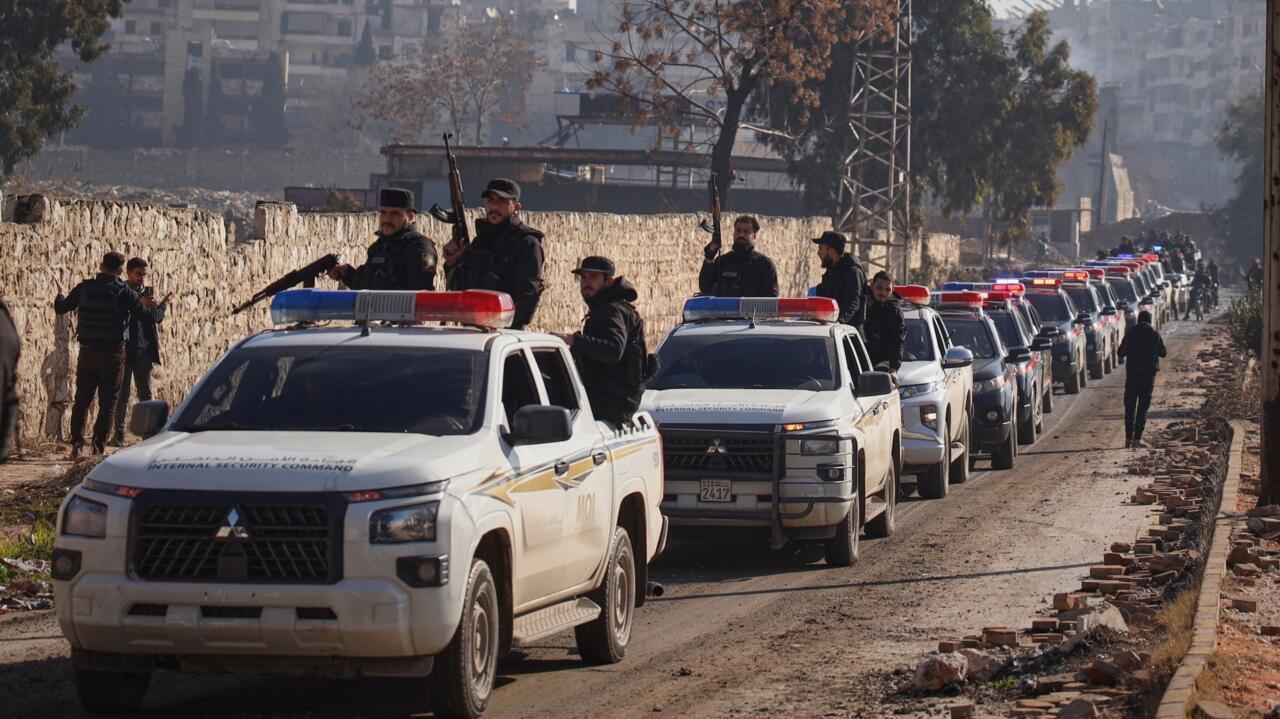
Reports describe searches and separations on the ground and raise concerns about detainees and medical infrastructure. Outlets reported Syrian government forces conducting searches in Sheikh Maqsoud for prisoners taken during the fall of the Assad regime. Security officials and correspondents said dozens of young men were separated from evacuating families and taken to unknown locations or detention centres.
Kurdistan24 highlighted damage to medical services, saying Khalid Fajr Hospital was put out of service after strikes, and local health authorities condemned the action as a war crime. The SDF warned mediators to ensure commitments were honoured amid these reports.
SDF Withdrawal and Control Changes
Analysts and reports point to broader implications: the SDF's withdrawal and the government's takeover of neighbourhoods complicate the already fraught prospects for integrating Kurdish forces into Damascus's structures and may reshape control in parts of Aleppo. Several outlets note that the SDF controls large swathes of north-east Syria and that follow-up integration negotiations remain unrealised. International actors called for renewed political talks to prevent further escalation, but West Asian outlets and Kurdish-focused sources conveyed stronger language about humanitarian harm and regional tensions than some Western mainstream reports, reflecting differing emphases and tones across source types.
“The withdrawal followed the Syrian army’s takeover of the Kurdish-majority Sheikh Maqsoud after days of heavy clashes... At least 30 people were killed and more than 150,000 displaced.”