Aajil
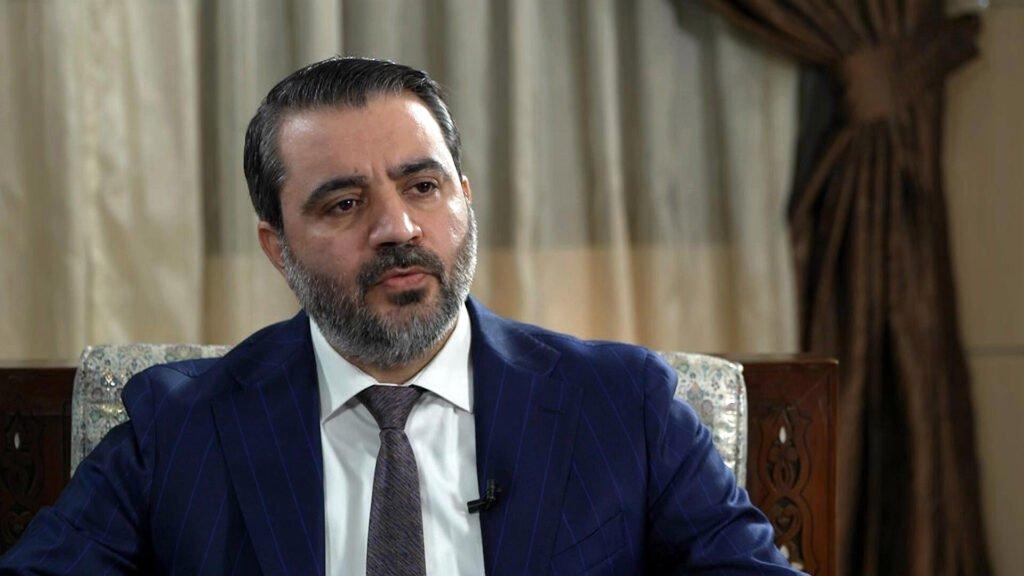
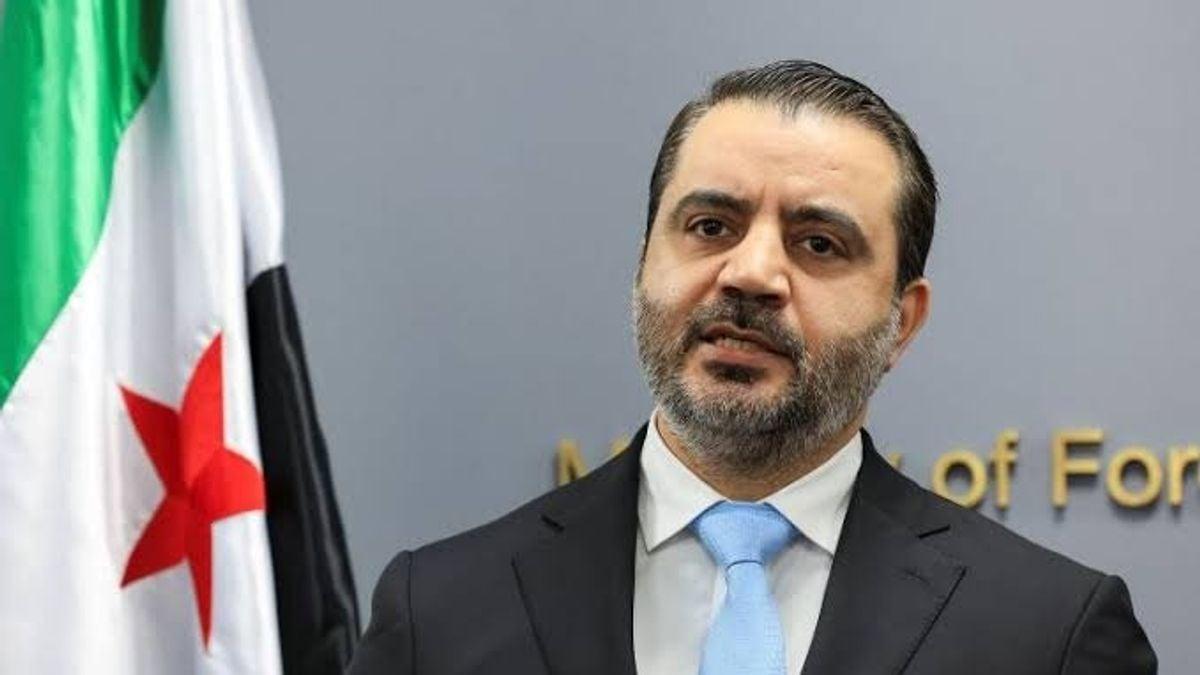
Aajil"Al-Shaibani": Syria does not trust Israel.. and we expect to resume security talks with it soon
 Ain Al-Arabi
Syria: Damascus held talks with “Israel” in Jordan to de-escalate
 Ain al-Libiya
Following the strike on Abu al-Duhur base, Damascus expects a return to security talks with Israel and seeks to prevent a Turkish-Israeli confrontation
 Ajil
AjilSyrian-Israeli Meeting Meditated by the United States to De-escalate
 Al Jazeera
Syria’s foreign minister says door open for diplomacy with Israel
 Al Jazeera
Syria, Israel hold US-mediated talks in Jordan to de-escalate tensions
 Al-Aalem
Syria expects to resume its security talks with Israel
 Al-Akhbar
Shibani: We expect to resume security negotiations with Israel... and we understand its concerns
 Al-Jazirah Net
Al-Shaybani: Communications with Israel were cut off after the bombing of Abu al-Dhuhur, and the priority is to stop its attacks.
 Al-Jazirah Net
With American mediation... Syria reveals details of its delegation's meeting with Israeli officials in Jordan
 Al-Jazirah Net
From hostility to meeting... how did Syrian-Israeli relations arrive at this point?
 Al-Khaleej
Shibani: Resumption of negotiations with Israel soon despite lack of trust
 Al-Khaleej
Israel Opens Secret Channels of Communication with Turkey to Avoid Escalation
 Al-Manar TV Lebanon
Israeli Mossad director and Syrian foreign minister meet to “de-escalate tensions”: Axios
 Al-Sharq lil Akhbar
Shibani: We expect to resume negotiations soon with Israel on a security agreement
 Al-Youm Al-Sabeʿ
Syrian Foreign Minister: We expect to resume talks with Israel on a security agreement soon
 Anadolu Ajansı
Growing international pressure puts Israel under diplomatic strain: Israeli media
 ANHA
ANHAAl-Sheibani expects to resume security negotiations with Israel despite the lack of trust.
 ANHA
ANHAAxios: Syrian-Israeli officials meet in Jordan to ease tensions
 Arab 48
Shibaani: Security negotiations with Israel may be resumed despite the lack of trust.
 Arab 48
American pressure to push Syria and Israel to continue direct talks
 Arab News
Israeli, Syrian officials meet after airbase strike: Axios
 Arab News PK
Israeli, Syrian officials meet after airbase strike: Axios
 BBC
BBCIsraeli-Syrian meeting in Jordan after Al-Shaibani's invitation to seize a "historic opportunity"
 Breakingthenews.net
US said to mediate Syria, Israel de-escalation talks
 Daily Sabah
Israel strike in Syria nearly triggers clash with Türkiye: US envoy
 Dawn
DawnSyria foreign minister sees Israel security talks resuming despite no trust - World - DAWN.COM
 Democracy Now!
Syria and Israel Hold U.S.-Brokered Talks Amid Israeli Strikes
 Devdiscourse
Syria Seeks Diplomatic Breakthrough in Israel Security Deal
 Elnashra
Broadcasting Authority: American pressure to push Syria and Israel to continue direct talks
 France 24
American sanctions on Iran and a Syrian-Israeli meeting in Jordan
 France 24
Talks between Syria and Israel in Jordan to de-escalate and avoid the impact of tension with Turkey on Syrian territory
 France 24
 Talks between Syria and Israel in Jordan to de-escalate and bring closer views between Ankara and Tel Aviv
 Haaretz
Syria's Foreign Minister Sees Israel Security Talks Resuming Despite No Trust
 Haaretz
Analysis • Attacking Erdogan or clinging to the status quo? Israel's Turkey paradox
 Haaretz
Syria Tells Israel It Won't Limit Military Buildup in Security Deal Talks
 Hindustan Times
Syria says Israel talks addressed de-escalation, staying out of Israel-Turkey tensions
 i24NEWS
Syria's FM Says Israel Security Talks Frozen Since Iran War, Expects Them To Resume Soon
 Israel National News
Syrian FM: Talks with Israel expected to resume soon despite lack of trust
 Israel National News
Israel's secret channel to quell the tensions with Turkey
 Jareedat ar-Riyadh
Syrian-Israeli Talks to De-Escalate
 Khabar-e-ye Gozari-ye Sada-ye Afghan
"Secret" contacts between Israel and Turkey to control the tension over Syria
 Kurdistan24
Barrack Reveals Secret Israel-Syria Talks, Warns Small Military Mistake Could Spark World War III
 Kurdistan24
Syria Expects Israel Talks to Resume Despite Broken Trust
 Kurdistan24
Syria, Israel Hold Talks in Jordan on De-escalation, Regional Tensions
 La FM
La FMSiria confirma conversaciones con Israel para reducir las tensiones tras ataques
 La Razón
The growing rivalry between Turkey and Israel adds a new front of tension in the Middle East
 La Vanguardia
Israel raises the tension with Turkey to just two months before the elections
 Los Angeles Times
Israel did not warn U.S. ahead of Syrian airstrike, American envoy says
 Masrawy
Despite the lack of trust… the Syrian Foreign Minister: We expect to resume negotiations with Israel soon
 Mont Karlo ad-dawliya
Shibaní: Syria is "reaching out" to diplomacy... and Israel should seize a "historic opportunity"
 New York Times
Syria and Israel Hold U.S.-Mediated Talks to Try to Ease Tensions
 Okaz
OkazMediated by the United States, a Syrian–Israeli meeting was held in Jordan to discuss de-escalation.
 Reuters
Syria’s foreign minister expects the resumption of security talks with Israel despite a lack of trust
 Reuters
Syria foreign minister sees Israel security talks resuming despite no trust
 Reuters
Syria, Israel hold US-mediated talks to ease tensions, Syria news agency says
 RFI
RFIIsrael rejected US criticisms of its attack on the Abu al-Duhur Syrian airport.
 Sada Al-Balad
Syrian Foreign Ministry: Security talks with Israel to resume soon.. Damascus presents a “historic opportunity”
 Sahifat Sabaqal Iiktiribiyya
Syrian-Israeli meeting mediated by the United States… Damascus sets “sovereignty” and “withdrawal” as conditions for calm.
 Shabakat Maṣdar al-Akhbariyah
Syria: Resumption of talks with Israel on a security agreement soon
 Shabakat Sham al-akhbariyyah
Barrack reveals the behind-the-scenes of Syrian-Israeli-Turkish tensions and warns of a mistake that could ignite a regional confrontation.
 Sky News Arabia
Shaban[i] expects to resume talks with Israel "soon".
 South China Morning Post
Syria holds talks with Israel addressing de-escalation, Israel-Turkey tensions
 South China Morning Post
Syria holds talks with Israel addressing de-escalation and Israel-Turkey tensions
 SWI swissinfo.ch
Agency: Syrian-Israeli meeting under American mediation to de-escalate
 Taylorville Daily News
A US envoy says Israel did not give a warning to the US ahead of a recent Syria air strike
 The Business Standard
Iran FM calls Trump's economic pressure 'old US bullying tactic'
 The Jerusalem Post
Live Updates: Latest from Israel, Iran, and the Middle East
 The Jerusalem Post
US envoy Tom Barrack’s Israel criticism tests his credibility as a mediator - analysis
 The Jerusalem Post
Mossad chief, Syria FM hold positive de-escalation talks after Israeli airbase strike, source says
 The Jerusalem Post
The Middle East’s ‘peace architecture’ may be giving rise to an anti-Israel bloc - opinion
 The Jerusalem Post
Syria, Israel resume talks after Israeli strike as US mediates
 The Jerusalem Post
IDF attack on Syria's Abu al-Duhur airbase may reinvigorate talks with Damascus
 The Media Line
Mossad Chief, Syrian FM Meet To Revive Security Talks After Israeli Strike
 Today
TodaySyria expects talks with Israel to resume soon despite lack of trust, Shaibani says | LIVE - L'Orient Today
 Türkiye Today
Syria expects Israel security talks to resume despite ‘no trust’: Report
 Türkiye Today
Syria, Israel hold Jordan talks on de-escalation and Türkiye
 Vietnam.vn
Syria and Israel are holding high-level talks after the airstrikes.
 Washington Times
Syria, Israel hold U.S.-mediated talks after strike on air base
 Ynetnews
Syria says Israel security talks could resume soon despite ‘no trust’
 Ynetnews
Could NATO go to war with Israel over Turkey? | Explainer
 Межа. Новини України.
Syria expects Israel talks to resume over security deal
 ایرنا
ایرناAl-Shiblani: Damascus’s contacts with Tel Aviv have been cut off
 جماران
Claim by the Israeli defense minister: Erdogan, after our attacks, was forced to retreat.
 خبرگزاری برنا
Syria: Talks with Israel on a security agreement will be resumed soon.
 خبرگزاری فرات
Opening covert channels between Israel and Turkey after the attack on the Abu Zaid base
 سانا
ساناDiplomatic source: Syrian-Israeli meeting with United States mediation
 شفق نيوز
Shafaq News..Syria, Israel de-escalate airbase attack tensions
 شفق نيوز
Shafaq News..Syria-Israel talks resume in Jordan with US mediation
 شفق نيوز
Shafaq News..Syria to revive security talks with Israel
 صدای آمریکا
Israel and Turkey have created a communication channel to prevent clashes
 صوت الإمارات
Foreign Minister Expects Resumption of Syria Israel Security Talks
 صوت الإمارات
Syrian Foreign Minister and Mossad Director Meet in Jordan to Lower Tensions
 فرارو
فراروSyria: Talks with Israel will be resumed soon.
 مشرق نیوز
Shaybani: We will resume security talks with Israel soon
 میدل ایست نیوز
The Syrian foreign minister announces the likelihood of the resumption of negotiations with Israel in the near future