Syria02 October, 20252 min read
Syrian Refugee Family Builds New Life in Germany Amid Rising Far-Right Anti-Immigration Backlash
This article is an automated aggregation of coverage from news outlets. Our editorials offer in-depth analysis curated by the NewsCord team.
Syrian family fled civil war in 2015 and settled in a Berlin suburb. Family overcame language barriers and employment challenges through education and internships.

5 outlets told this the same way.
Outlets did split on Asad Al-Shaibani Meets Saddam Haftar in Benghazi Over Syrian Consulate And Missing Syrians →
Syrian Refugee Family's Journey
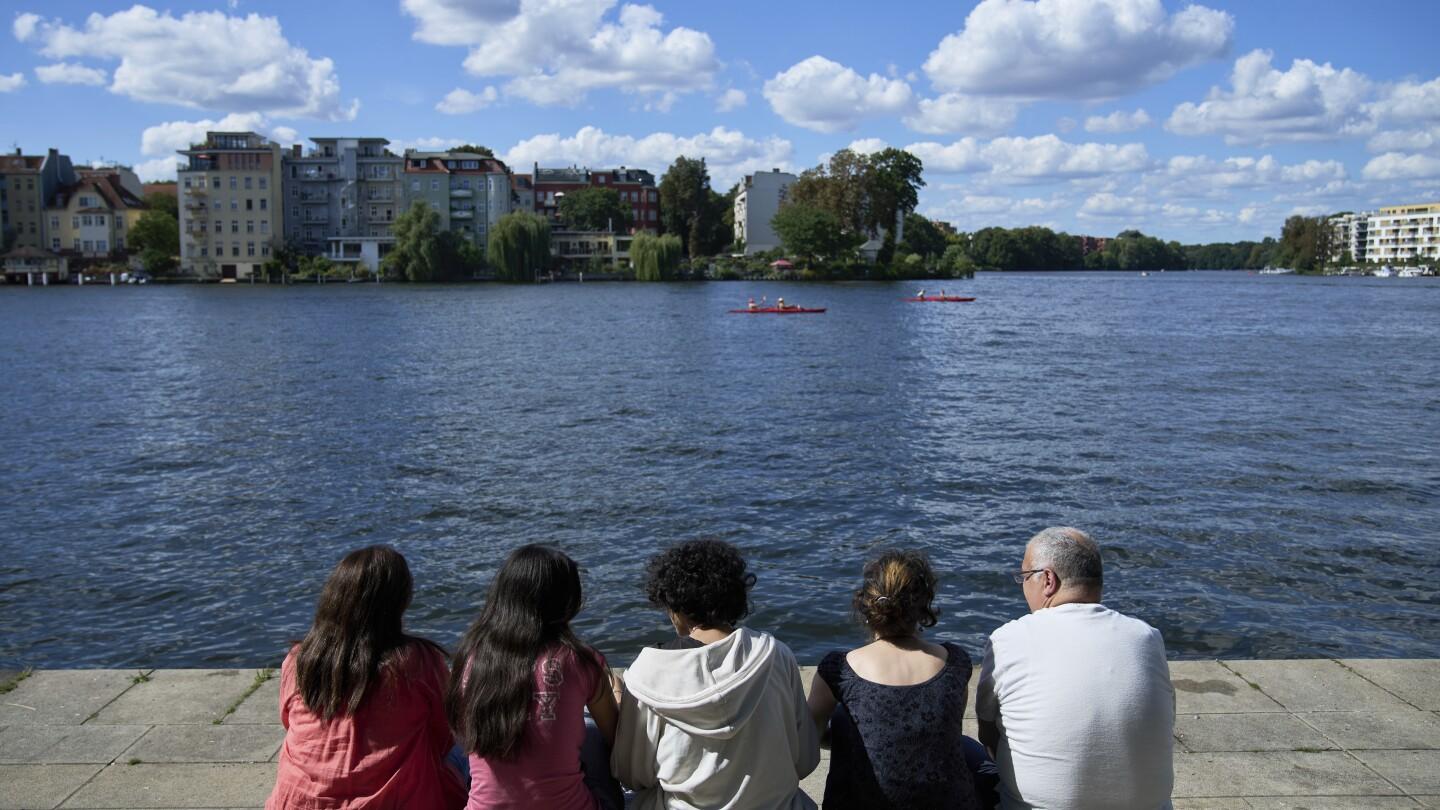
Rahaf Alshaar and her family, Syrian refugees, fled the civil war in Syria after a bomb struck their daughter’s school in 2012. They arrived in Germany during the 2015 refugee influx, a period marked by Chancellor Angela Merkel's decision to open the borders to over a million asylum seekers. The family faced numerous challenges, including language barriers, a colder climate, and the non-recognition of their degrees.
“The article tells the story of Rahaf Alshaar and her family, Syrian refugees who fled the civil war after a bomb struck their daughter’s school in 2012.”
Despite these obstacles, they persevered—Alshaar learned German, completed internships, secured a stable job at the transportation ministry, and enrolled her daughters in good schools. Their story is one of successful integration, as they became German citizens and settled in a Berlin suburb.

Challenges of Refugee Integration
Despite their successful integration, the Alshaar family faced hostility and discrimination, particularly due to Rahaf Alshaar wearing a hijab. This reflects a broader political context in Germany, where migration has become a divisive issue. The rise of the far-right Alternative for Germany (AfD) party, which advocates for strict border controls and deportations, has fueled anti-immigration sentiment.
The AfD's controversial stance on "remigration" has stirred protests and controversy. Public opinion on Germany’s handling of the refugee crisis is mixed, with only 21% rating the response as good. This political climate has created challenges for refugees like the Alshaar family, who strive to integrate into German society.
Germany's Changing Migration Policy
The political landscape in Germany has shifted, with Chancellor Friedrich Merz of the center-right Christian Democrats adopting a tougher stance on migration. This includes strengthening border controls and speeding up deportations, reflecting a broader European trend towards stricter immigration policies.
“The current government, led by Chancellor Friedrich Merz, has tightened border controls and sped up deportations, reflecting a tougher stance on migration.”
The Alshaar family's experience is emblematic of the mixed reception refugees have received in Germany—while they have found support from friends and community programs, they also face a society increasingly divided over immigration. This division is evident in public opinion, with only a minority of Germans viewing the refugee situation as well managed.
Refugee Integration Challenges
The Alshaar family's story is a microcosm of the broader refugee experience in Germany, illustrating both the opportunities and challenges of integration. They have successfully built a new life, becoming German citizens and contributing to society. However, they continue to navigate a complex social and political landscape.
The rise of far-right sentiment and stricter immigration policies pose ongoing challenges. Despite these difficulties, the family's determination and resilience highlight the potential for successful integration.
Their experience underscores the importance of supportive community networks. It also emphasizes the need for balanced immigration policies that address both security concerns and humanitarian obligations.