Syria04 October, 20252 min read
Syrian Regime Holds Parliamentary Election Amid Public Unawareness and Silence in Damascus
This article is an automated aggregation of coverage from news outlets. Our editorials offer in-depth analysis curated by the NewsCord team.
Two-thirds of parliament seats are chosen by regional electoral colleges, limiting direct voting. Damascus showed no public election activity, with no posters, rallies, or debates visible.

5 outlets told this the same way.
Outlets did split on Asad Al-Shaibani Meets Saddam Haftar in Benghazi Over Syrian Consulate And Missing Syrians →
Syrian Election Public Awareness
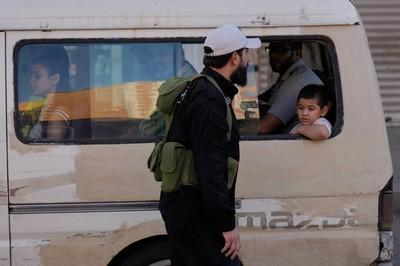
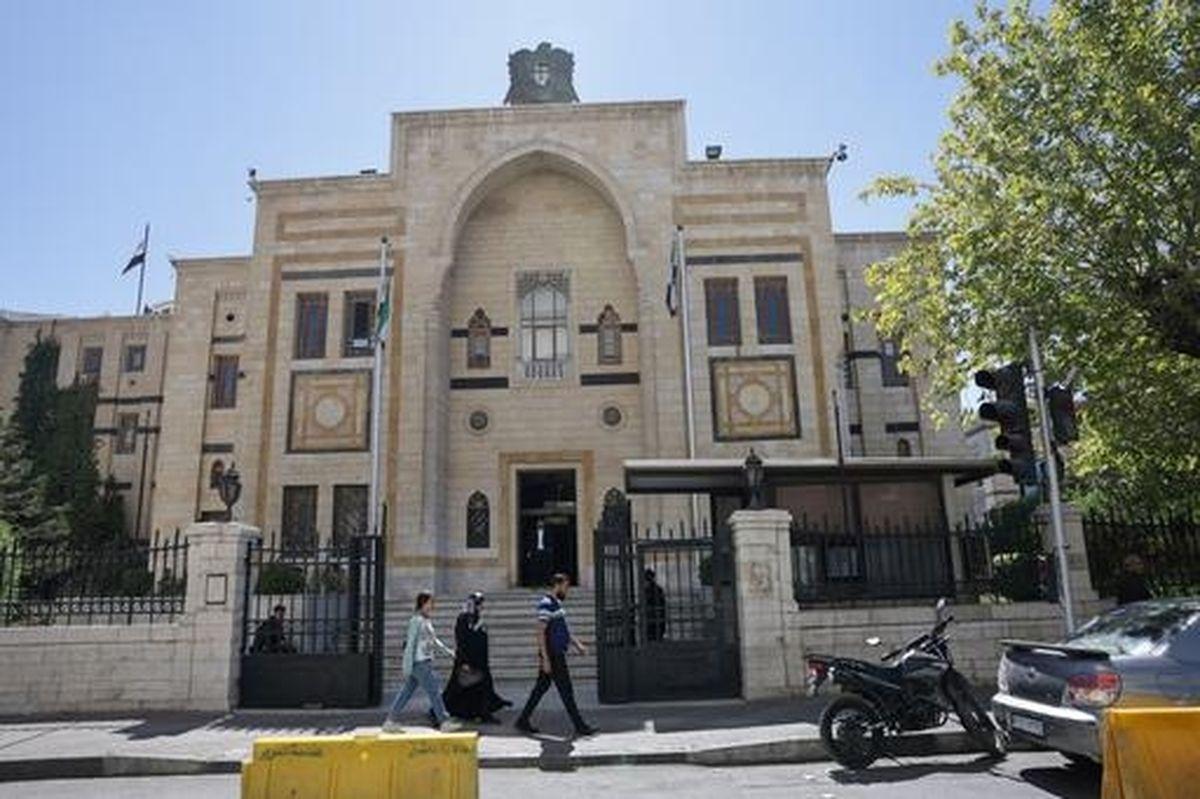
The Syrian parliamentary election is the first since the removal of former President Bashar Assad by armed insurgents. This election is characterized by a notable lack of public awareness and engagement, especially in Damascus. According to Arab Times Kuwait News, many residents are unaware of the election, with no visible campaign activities or public involvement.
“Many residents of Damascus are unaware the election is happening, with no visible campaign activities or public engagement.”
ABC reports that the streets of Damascus show little sign of an upcoming election, with no campaign posters or rallies. The lack of public awareness is further emphasized by the fact that in some neighborhoods, such as the Jewish Quarter, only a few campaign flyers were seen. These flyers had minimal impact on the local population.
Overview of Election System
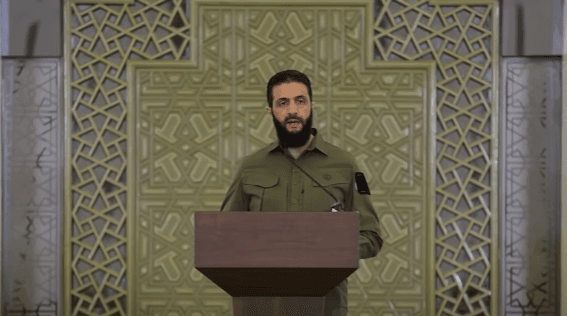
The election process itself is characterized by an indirect system, which has been defended by authorities as necessary due to the lack of reliable population data after years of civil war and displacement. Evrim Ağacı explains that the new system replaces the Baath Party's dominance with individually approved candidates selected by a presidential committee.
This method is intended as a temporary stabilizing measure but has faced criticism for its lack of transparency and potential for manipulation. Arab Times Kuwait News also notes that two-thirds of the parliamentary seats will be chosen by electoral colleges, and one-third will be appointed by the interim president, Ahmad al-Sharaa, highlighting the imperfect nature of the current election process.
Election Delays and Regional Exclusions
The election has been postponed in certain regions due to security and political issues, further complicating the process. Evrim Ağacı reports that elections were delayed in the Kurdish-held northeast and Druze-majority Sweida regions, leaving 19 seats vacant.
“Elections were postponed in Kurdish-held northeast and Druze-majority Sweida regions over security and political issues, leaving 19 seats vacant.”
In Deir Ezzor, only government-controlled areas participated in the vote, excluding Kurdish-controlled zones, which raises concerns about the fairness and inclusivity of the election. This exclusion of certain regions and groups could hinder reconciliation efforts and exacerbate existing tensions within the country.
Syrian Parliamentary Election Outlook
Despite the challenges and criticisms, there is cautious hope among Syrians that the new parliament might lead to a more democratic future. However, skepticism remains about whether the election will result in genuine political change or simply maintain a controlled political system.
Evrim Ağacı notes that the winner-takes-all approach and the interim president's power to appoint one-third of parliament members could either improve representation or consolidate authority. Arab Times Kuwait News acknowledges the imperfect nature of the election process but suggests it is a step towards addressing the legislative vacuum left by the dissolution of the former parliament.