Asia04 August, 20263 min read
Takaichi Faces Inflation And Defense White Paper Test After Rare U.S.-Japan Yen Intervention
This article is an automated aggregation of coverage from news outlets. Our editorials offer in-depth analysis curated by the NewsCord team.
Defense white paper frames military buildup as a growth engine for Japan's economy. Defense investment boosts technology development, industrial capacity, and employment across the domestic economy.

Yen, prices, and defense
On August 4, Prime Minister Sanae Takaichi’s government faced a widening policy test as officials tried to calm inflation concerns after rare U.S.-Japan yen intervention, with the yen trading around 157.60 to the dollar after the operation. A former Bank of Japan official said Japan and the United States are likely to intervene again if the currency resumes its decline, after a rare joint yen-buying operation that temporarily strengthened the yen after it had fallen to 40-year lows. Economy Minister Minoru Kiuchi tried to strike a calmer tone on inflation on August 4, saying June consumer price inflation was 1.7% from a year earlier and that the pass-through of costs to consumers had been limited so far.
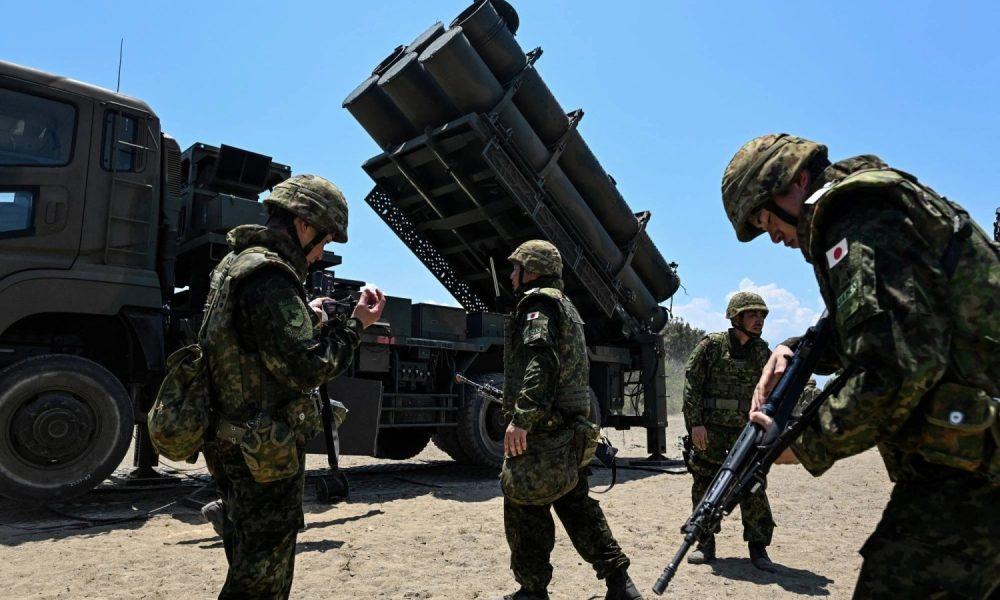
The same August 4 policy debate also included defense, as Japan’s latest defense white paper framed the country’s military buildup as part of a broader strategy for economic growth and national resilience. In the defense debate, the white paper linked defense investment with industrial development, startup funding and the use of commercial technology in weapons systems, aligning with Takaichi’s wider governing philosophy.

Takaichi’s pitch and Beijing’s pushback
Japan’s government portrayed its accelerating military buildup as a pathway to greater prosperity in its latest defense white paper, saying arms production can support economic growth and urging Japan to leverage technology, fund ventures and incorporate more commercial components into weapons manufacturing. A Defence Ministry presentation document said the white paper “stresses that investment in defence benefits the wider economy and people’s lives,” while a Defense Ministry official said the anime-style cover design was intended to convey a “futuristic image”. The white paper also framed China as the central security challenge, stating “China’s military activities and other actions are a matter of serious concern to Japan and the international community, and represent Japan’s greatest strategic challenge,” according to the document.
Beijing reacted sharply in November to Takaichi’s remarks about deploying Japan’s Self-Defense Forces if a Chinese attack on Taiwan threatened Japan’s survival, demanding that she retract what it called an “egregious” remark. The dispute over the white paper and the broader defense agenda is tied to budget and financing questions, with Japan having secured a record 122.3 trillion yen budget for the year to March 2027 and later adding a 3.1 trillion yen supplementary package.
What’s at stake next
The August 4 inflation debate carried a political edge because the government wanted to say price pressure was manageable and household relief was coming, while the Bank of Japan wanted to keep open the option of further hikes if inflation risk rose. The Bank of Japan had warned that inflation could exceed its 2% target as the weak yen, energy prices and corporate pricing behavior continued to affect the economy, after raising rates in June to 1% and then keeping rates unchanged at its July 30-31 meeting. In parallel, Japan’s defense white paper set out a longer-term economic and security framing that ties military expansion to technology, industry and employment, with the document’s annual assessment calling on Japan to respond to threats from China, Russia and North Korea.
The financing challenge for further defense expansion remained unresolved in the sources, with reporting saying Takaichi had yet to clearly explain how her government would pay for additional military expansion without adding pressure on already stretched public finances. As Japan prepares a new national security strategy, military experts expected it to call for further spending increases aimed primarily at deterring China from starting a conflict with Taiwan that could also draw Japan into a prolonged war.