Asia10 September, 20263 min read
Taliban Return Makes Afghanistan Sanctuary For Al Qaeda And TTP, UN Monitoring Reports
This article is an automated aggregation of coverage from news outlets. Our editorials offer in-depth analysis curated by the NewsCord team.
Taliban's return five years ago created sanctuary for Al Qaeda and TTP. UN warns Taliban abuses escalating monthly, deteriorating human rights conditions.
Afghanistan’s renewed battleground
The Taliban’s return to power has left Afghanistan again becoming both a sanctuary and a battleground, as the UN Security Council’s Analytical Support and Sanctions Monitoring Team reports that almost two dozen terrorist groups, including Al Qaeda and the Pakistani Taliban known as the TTP, are now based in Afghanistan. The Substack piece says Pakistan, the Taliban’s former sponsor, has spent much of this year striking targets inside Afghanistan as relations between the neighbours have descended into open conflict, while anti-Taliban groups have claimed attacks across the country. Much of the recent fighting has been concentrated in Badakhshan, the mountainous northeastern province bordering Pakistan and Tajikistan and at the end of the Wakhan corridor bordering China, where the Afghanistan Freedom Front has intensified its attacks.
The same article adds that the Taliban have brought in reinforcements and laid landmines, and it says Juma Khan Fateh, an influential local Tajik commander long loyal to the Taliban, has been detained after challenging the regime’s authority. In Kabul, the New York Times reports that Afghanistan’s foreign minister, Amir Khan Muttaqi, said in a recent interview that, "We consider the chapter of war to have come to an end."

Diplomacy versus isolation
A Responsible Statecraft essay argues that shunning the Taliban is hurting normal Afghans, describing how Aisha Wahab of California, the first Afghan-American elected to Congress, told Democracy Now that the United States "should pursue diplomacy" with Afghanistan "regardless of which group is in power."
The same piece says Wahab’s remarks triggered immediate condemnation, with Afghans labeling her a Taliban apologist and even leaking private photos of her and her family to social media.

It then quotes Karen Decker, then chargé d'affaires of the U.S. mission to Afghanistan, saying Washington needed to pursue a policy of "pragmatic engagement" with the Taliban, and that "isolation is ruinous. It's ruinous for the Afghan people. It's ruinous for the region."
The essay also cites humanitarian access needs, saying at least 22 million Afghans, including 10.7 million women and girls, remain in need of humanitarian access.
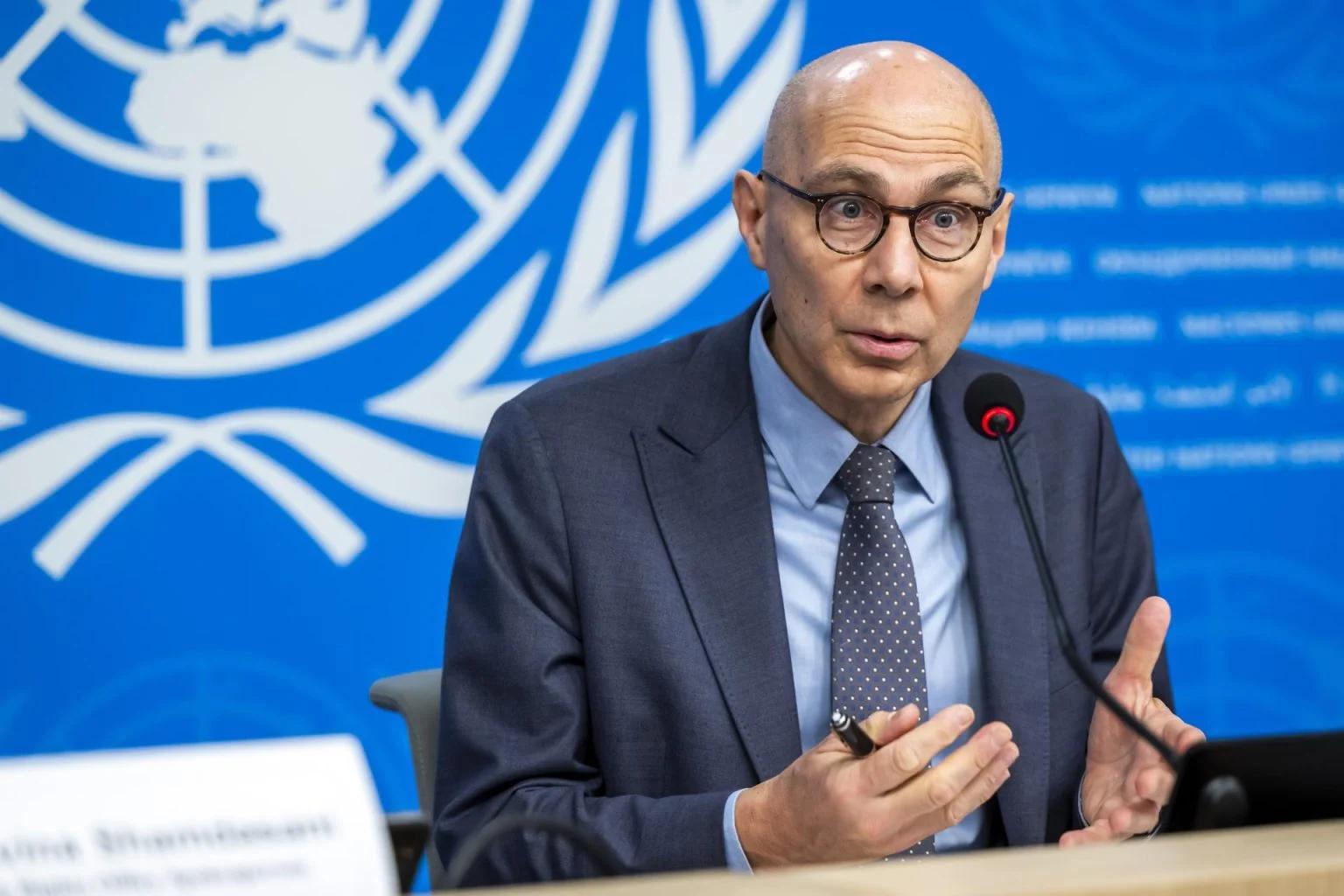
Separately, the UN’s human rights chief Volker Türk warned that the world’s response is failing, saying, "the silence is deafening."
Rights, aid, and legitimacy
The UN High Commissioner for Human Rights Volker Türk warned that the Taliban administration is escalating every month with its “monstrous” measures, and he said the situation is moving from “bad to worse,” leaving Afghanistan’s inhabitants facing a crisis that deepens day by day. Türk also described the systematic exclusion of women and girls from public life as an unacceptable violation of human rights, saying these restrictions have been normalized and entrenched by the Taliban administration. El Mundo frames the Taliban regime’s five years in power as a period of forced order and humanitarian collapse, saying the war on terror ended with the same fundamentalist group back in power and that the Taliban regime has imposed a rigorous version of sharia.
It adds that after the Taliban’s return, many countries froze their funding, and it says the Trump administration’s decision to suspend USAID programs served 22 million people in the country, nearly half the population. El Mundo further reports that Russia became the first country to formally recognize the regime in July 2025, while it says Pakistan accused the Taliban of turning the country into an “Indian colony” after India reopened its embassy in Kabul and invested $3 billion in infrastructure.