Pakistan11 October, 20252 min read
Taliban Seize Pakistani Army Posts in Cross-Border Attack After Islamabad Airstrike on Kabul
Taliban forces launched retaliatory attacks after Pakistan conducted airstrikes in Kabul and Paktika. Taliban seized multiple Pakistani army outposts along the Durand Line amid intense border clashes.

39 outlets told this the same way.
Outlets did split on Tehrik-E-Taliban Pakistan Suicide Attack Kills At Least 27 in Kohat Mosque Blast →
Border Clashes Between Pakistan and Afghanistan
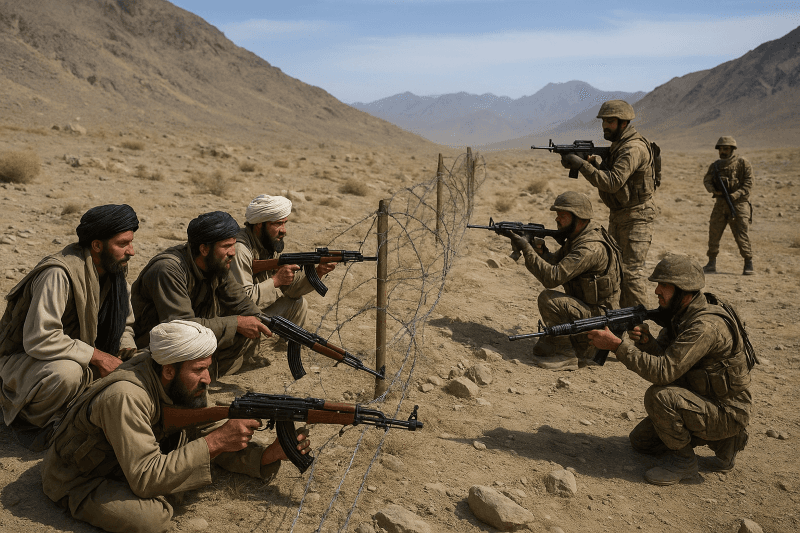
Fighting flared along the 2,600-km Pakistan–Afghanistan frontier after the Taliban attacked Pakistani border posts. Multiple outlets frame the attacks as retaliation for a reported Pakistani airstrike in Kabul earlier in the week. Western mainstream outlets report both the Taliban’s claims of capturing Pakistani positions and Pakistan’s counter-claims of destroying Afghan posts at multiple locations.
“Firefights erupted along the Pakistan-Afghanistan border late Saturday after the Afghan Taliban attacked Pakistani posts, following a Pakistani airstrike in Kabul earlier in the week.”
Clashes occurred at over six sites along the Durand Line. West Asian and Asian sources stress that Kabul views the incident as an airspace violation. Pakistan has neither confirmed nor denied the strike.

Afghanistan warns of further responses if such actions continue. Overall, accounts agree the exchanges involved gunfire and artillery across several provinces. These clashes followed Kabul’s accusation against Islamabad over the Kabul strike.
Conflicting Reports on Border Clashes
Reports on casualties and battlefield outcomes diverge sharply. Asian and ‘Other’ outlets cite Taliban attacks leading to Pakistani losses ranging from “at least five soldiers” to “12” killed. Several Asian outlets emphasize Pakistan’s retaliation that reportedly killed “dozens” of Afghan soldiers and militants, including TTP members, and claims of destroyed Afghan posts.
Western mainstream accounts underscore the competing claims—Taliban claiming captures versus Pakistan asserting it “destroyed” Afghan posts. Some Asian and local outlets describe heavy weaponry, tanks, and named flashpoints across Khyber-Pakhtunkhwa and Balochistan.
Recent Conflict in Afghanistan
The immediate trigger inside Afghanistan remains contested. Multiple outlets note a blast near Kabul’s Abdul Haq Square and alleged strikes in Paktika. Afghan authorities first called the Kabul explosion accidental with no casualties.
“A recent bombing in Kabul, the first in the capital since a 2022 U.S. strike... has uncertain origins.”
They then accused Pakistan of violating Afghan airspace with attacks in Kabul and Paktika. West Asian TRT World reports Kabul’s claim that Pakistan bombed a market in Paktika. Western and local Western outlets stress uncertainty and that Islamabad has neither confirmed nor denied involvement.
This marks a notable escalation in accusations over Kabul itself. Independent observers remain unsure about the strike’s origin.
Pakistan-Taliban Cross-Border Tensions
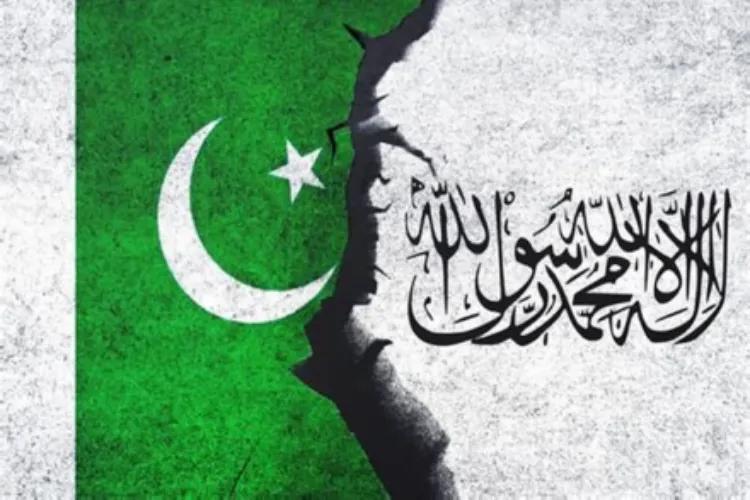
Underlying the escalation is the Pakistani Taliban (TTP) threat and competing cross-border accusations. Asian and West Asian sources detail Pakistan’s charge that Kabul harbors the TTP and its leaders, while the Taliban deny it. Multiple outlets cite a UN report indicating Afghan Taliban support for the TTP.
Pakistan warns of stronger responses, including cross-border operations. Some Western mainstream and West Asian outlets add that Pakistan even alleges Indian backing for anti-Pakistan militants—claims denied by both New Delhi and the Taliban. Analysts in local Western media link Islamabad’s intensified air campaign to the Taliban’s diplomatic outreach to India.
Calls for De-escalation in Border Conflict
Regional and international actors are urging de-escalation while the situation remains fluid. Qatar, Iran, and Saudi Arabia have called for restraint and dialogue, with former U.S. envoy Zalmay Khalilzad publicly urging talks.
“The escalating conflict has raised concerns among regional players including Iran, Qatar, and Saudi Arabia, who have called for restraint.”
Several Asian outlets note the timing with Afghanistan’s foreign minister visiting India—the first such high-level contact since 2021—while others say it’s unclear whether the border fighting has ended. These diplomatic cross-currents underline the risks of a wider conflict if cross-border strikes and reprisals persist.
