Crime25 September, 20252 min read
Taxi Driver Who Took Southport Killer to Scene Admits Delaying Emergency Call at Inquiry
This article is an automated aggregation of coverage from news outlets. Our editorials offer in-depth analysis curated by the NewsCord team.
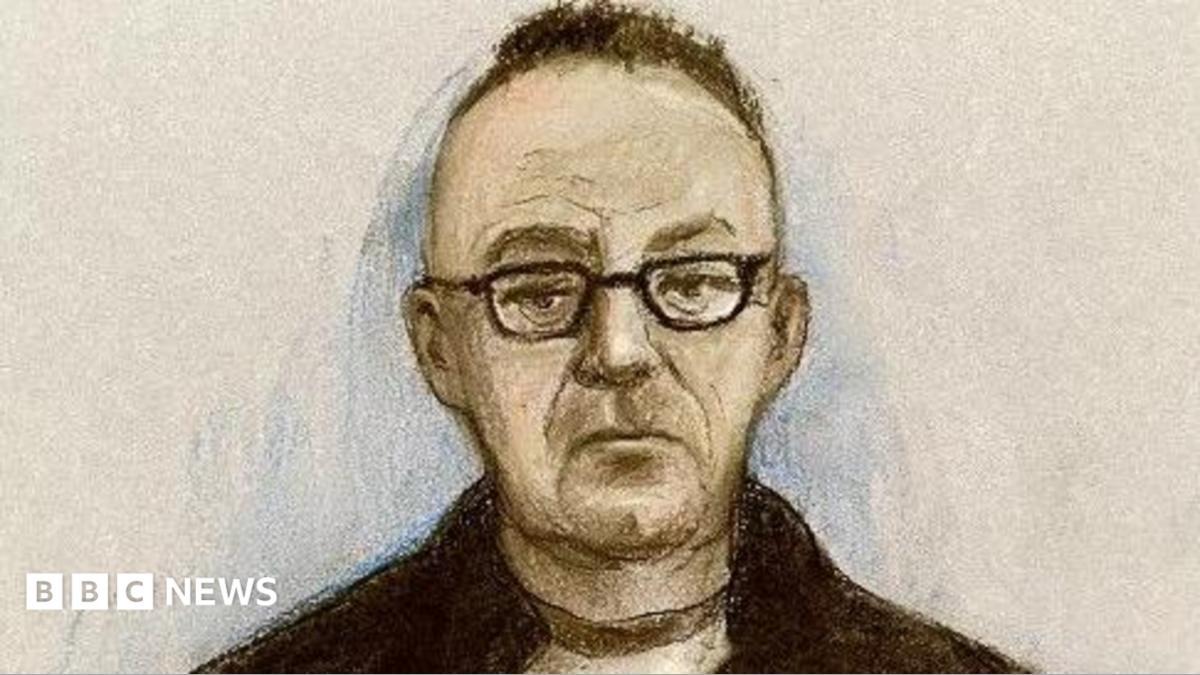
Taxi driver Gary Poland delayed calling emergency services for 50 minutes after hearing screams. Poland drove away from the scene fearing a gunman and took another fare before calling police.
9 outlets told this the same way.
Inquiry into Dance Studio Attack
The Southport Inquiry has brought to light the actions of taxi driver Gary Poland, who transported Axel Rudakubana to the Hart Space dance studio where a tragic attack occurred. Rudakubana, a 17-year-old, murdered three young girls and injured ten others during a Taylor Swift-themed dance class. Poland admitted to the inquiry that he delayed calling emergency services for 50 minutes after hearing screams from the scene.
“The driver has suffered from depression and reduced his working hours due to the trauma. He expressed sympathy for the victims and their families.”
He initially believed Rudakubana was going inside to get money after refusing to pay the fare. This delay has been a focal point of the inquiry, as Poland expressed deep regret for not acting sooner, acknowledging his responsibility and the ongoing psychological trauma he suffers from the incident.

Poland's Response to Attack
The inquiry has revealed that Poland's delay in contacting emergency services did not impact the immediate response, as a teacher at the event made the first emergency call shortly after the attack began. Despite this, Poland has faced criticism for his actions, with some arguing that his delay could have had severe consequences.
The Daily Mail reports that Poland was in shock and focused on his own safety, which led to his decision to drive away from the scene. The Liverpool Echo highlights that Poland learned about the attack from a friend shortly after leaving the scene, which further underscores his awareness of the situation.

Inquiry into Attack Response
The attack, which took place on July 29, has raised questions about the responsibilities of individuals and public agencies in preventing such tragedies. The Liverpool Echo reports that the inquiry is examining the broader context of the attack, including the perpetrator's background and the role of state agencies.
“Medics were reportedly delayed and only cleared to attend the attack scene after 20 minutes.”
BBC (Western Mainstream) highlights systemic failures, such as the delay in medics being cleared to attend the scene and bureaucratic obstacles that hindered warnings about the killer. These revelations have prompted calls for greater transparency and accountability from the inquiry.
Inquiry into Attack Failures
The inquiry has shed light on the actions of Rudakubana's family and the failures of public agencies to act on warning signs. BBC reports that the killer's father failed to report concerns about his son's possession of knives. A teacher's warnings were hindered by bureaucratic obstacles.
These findings have intensified scrutiny on the roles of individuals and institutions in the lead-up to the attack. The mother of one of the victims is demanding full transparency and truth from the inquiry. This demand reflects the broader public call for accountability.
