Technology and Science04 September, 20263 min read
NHTSA Opens Probe Into Tesla Cybercab Steering-Wheel-Free Taxis in Austin, Texas
This article is an automated aggregation of coverage from news outlets. Our editorials offer in-depth analysis curated by the NewsCord team.
NHTSA opened a safety probe into Tesla's self-certification of Cybercab for up to 1,000 vehicles. Tesla began commercial rides in Austin using two-seat Cybercabs with no steering wheel or pedals.

Cybercab Probe Begins
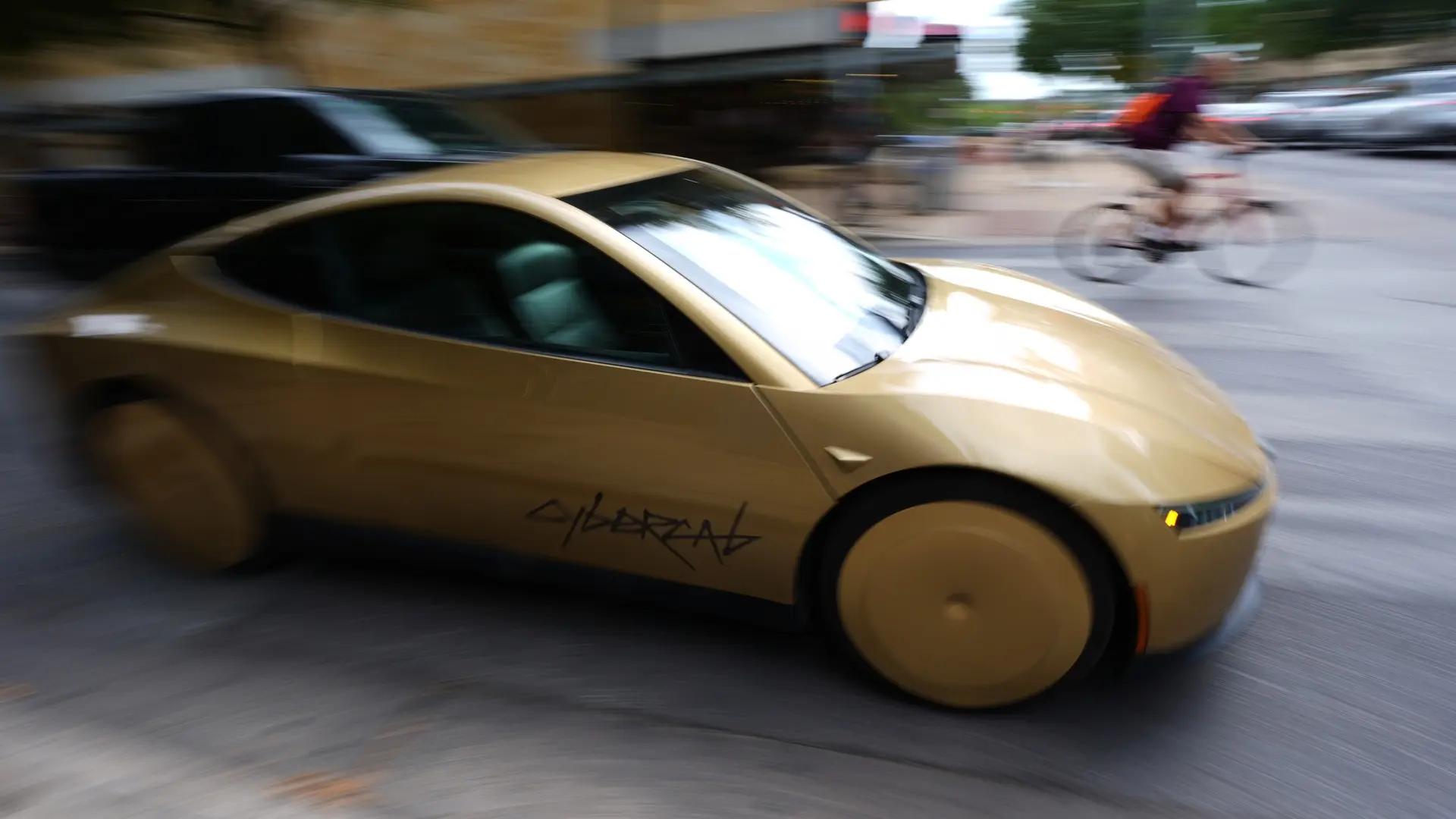
Federal regulators opened an investigation into whether Tesla’s steering-wheel-free taxis comply with safety rules a day after the company began offering rides in the vehicles, with the National Highway Traffic Safety Administration examining whether Tesla was in full compliance when it deployed so-called Cybercabs in Austin, Texas. The AP reported that the NHTSA said it was looking into whether the two-seat cars lack the steering wheels, mirrors and brake pedals typically required in vehicles, and that Tesla had relied on a self-certification process before the launch. The AP said Elon Musk kicked off the Cybercab service in Austin on Thursday with fanfare, sending dozens of the futuristic taxis onto city streets and holding a launch event for invitees.
AP also reported that Tesla stock fell nearly 6% to $354.08 on Friday, reversing all its gains from a day earlier amid excitement about the launch. The investigation is part of a broader regulatory scrutiny of Tesla’s self-driving software, including probes examining its role in several Tesla crashes in fog, sun glare and other low-visibility conditions, and incidents where Teslas ran red lights or drove on the wrong side of the road.
Standards, Exemptions, Numbers
Ars Technica said the Cybercab is already under investigation by the US federal government, probing whether it meets federal safety standards, and described the vehicle as a distinctive two-seater without a steering wheel or brake pedals. Ars Technica reported that the NHTSA is updating vehicle standards to make it easier and faster for driverless cars to deploy on public roads, while it is currently tweaking eight rules including those requiring car parts that driverless cars don’t really need: brake pedals, windshield wipers, and rearview mirrors. The outlet also said unusually shaped robotaxi companies have been told to apply for an exemption from federal rules before they start picking up passengers, and that Amazon subsidiary Zoox won the first of these exemptions this summer, limiting its operations to 2,500 vehicles this year.
AP reported that the NHTSA said it was opening an audit into about 1,000 Tesla Cybercab vehicles, examining the process and technical data the EV maker relied on to claim compliance with federal vehicle safety standards. AP added that the Cybercab lacks permanently attached conventional manual controls, including a steering wheel, brake pedal, accelerator pedal and mirrors, and said Tesla had 420 autonomous vehicles registered in Texas as of Friday morning, including 45 Cybercab vehicles.
What’s at Stake Next
The AP said the NHTSA’s filing about the probe stated it would conduct an audit to “examine the process and technical data” Tesla used in the certification, and that regulators investigate only certifications they believe might violate federal rules. AP also reported that Tesla plans to integrate Cybercabs into the company’s existing cab service, which until now has used only conventional Tesla vehicles, and that the robotaxi network has been operating in Austin for more than a year and has also begun offering rides in five other cities in Texas and Florida. Corse Matin reported that the NHTSA is seeking to verify how the manufacturer certified the Cybercab’s compliance with federal safety standards, and said the agency wished in particular to determine "the process and technical data on which Tesla relied to certify the Cybercab and the inherent problems," according to an opinion published Friday on the regulator’s website.
Corse Matin said the NHTSA warned that “until this work is completed, existing standards remain in force,” and described the agency’s estimate that the Cybercab fleet is at about one thousand units. Corse Matin further reported that Tesla had “notified... that it had certified itself that these Cybercab vehicles complied with all Federal Motor Vehicle Safety Standards (FMVSS),” placing the company’s rollout plans under the regulator’s review as it plans to “gradually expand the commercial deployment... to include more vehicles and locations.”