
Full story
Thailand sets Travel Rule timeline
Thailand’s Securities and Exchange Commission has finalized a crypto Travel Rule that requires licensed digital-asset operators to collect, verify, and transmit detailed information about both parties in a crypto transfer, including originator and beneficiary details.
“The rules will take effect on Feb. 27, 2027”
The SEC said the rules take effect on February 27, 2027, giving the industry roughly six months to build systems for sending, receiving, and monitoring transfer information.

The framework grew out of work with Thailand’s Anti-Money Laundering Office after a subcommittee on financial data connectivity asked both agencies to issue interim requirements while AMLO prepares rules under the Anti-Money Laundering Act.
In the final operator duties, the SEC said ordering operators must transmit originator and beneficiary information together with the transfer order to the receiving operator, while information accompanying every digital asset transaction must be retained for at least five years in a form a supervisory authority can retrieve or examine promptly.
Self-custodial wallet checks
A central requirement in Thailand’s Travel Rule is that operators must verify ownership or control of self-hosted, or self-custodial, wallets when customers send crypto to or receive it from those wallets.
The SEC said the obligation extends checks beyond transfers between licensed platforms, because self-custodial wallets give users direct control over the private keys needed to access their crypto.
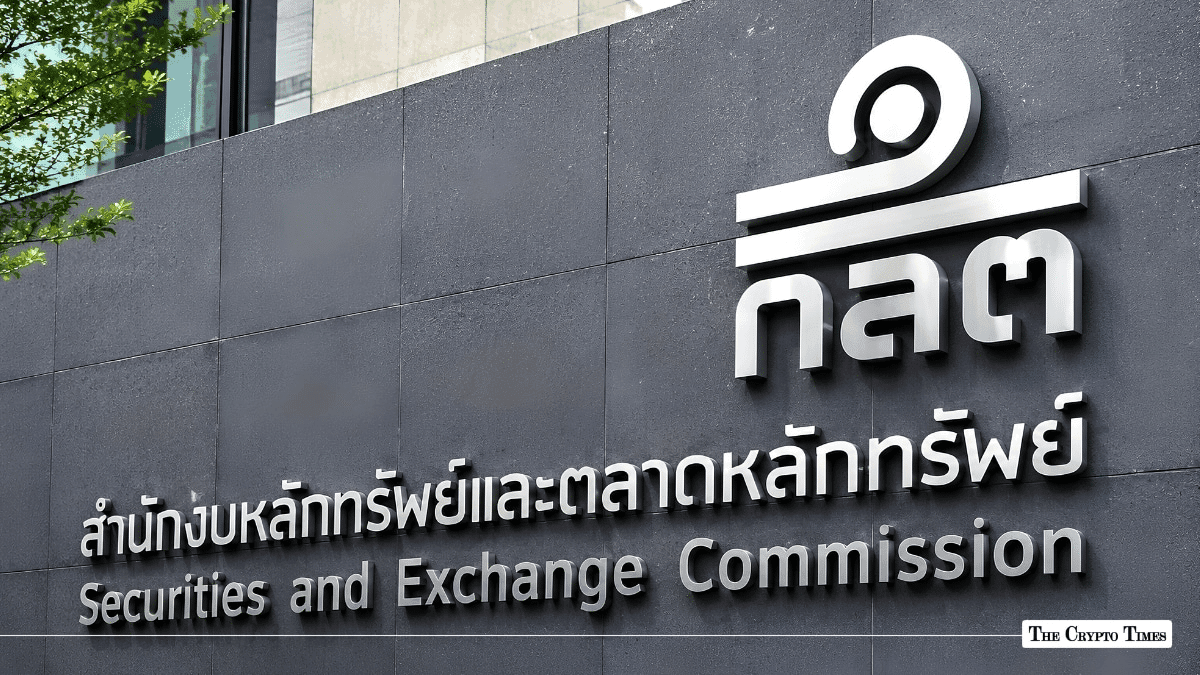
The Crypto Times reported that the SEC’s September 2, 2026 announcement describes the measures as intended to give operators enough information to assess money-laundering risk and to limit the use of digital asset services in technology-related crime.
In the Cryptonomist’s account of the final text, the SEC said the rules require operators to confirm that the individual sending or receiving a transfer has actual ownership of or authority over the relevant self-custodial wallet.
AML aims and compliance stakes
Thailand’s SEC said the Travel Rule is designed to mitigate the potential for digital asset operators to facilitate money laundering and the financing of terrorism, placing the regulation within the country’s broader anti-money laundering push.
“reduce the risk of digital asset operators being used for money laundering and terrorist financing”
SEC Secretary-General Pornanong Budsaratragoon said the Travel Rule should improve the ability to counter those crimes, reduce misuse of operators, reinforce firms’ responsibility for customer transactions, and strengthen anti-money laundering measures in line with FATF standards.
The SEC also framed the requirements as intended to support confidence in Thailand’s digital asset ecosystem and longer-term links with international markets.
As Thailand aligns with global standards, the Cryptonomist reported that roughly 83% of jurisdictions surveyed by the Financial Action Task Force had already passed similar legislation as of 2026, and the rule mirrors that global trend by making crypto transfers behave more like traditional wire transfers on the compliance side.