South America02 October, 20262 min read
Ortega And Murillo Reject Natasha Franceschi As U.S. Ambassador To Nicaragua
This article is an automated aggregation of coverage from news outlets. Our editorials offer in-depth analysis curated by the NewsCord team.
Ortega–Murillo regime rejected Natasha Franceschi's ambassador credentials after Senate confirmation. Christopher Landau announced the rejection during an OAS foreign ministers’ consultation.

9 outlets told this the same way.
Outlets did split on Brazil Police Kill Suspect After 13 Kindergarteners Held Hostage In Curitiba →
Franceschi denied agrément
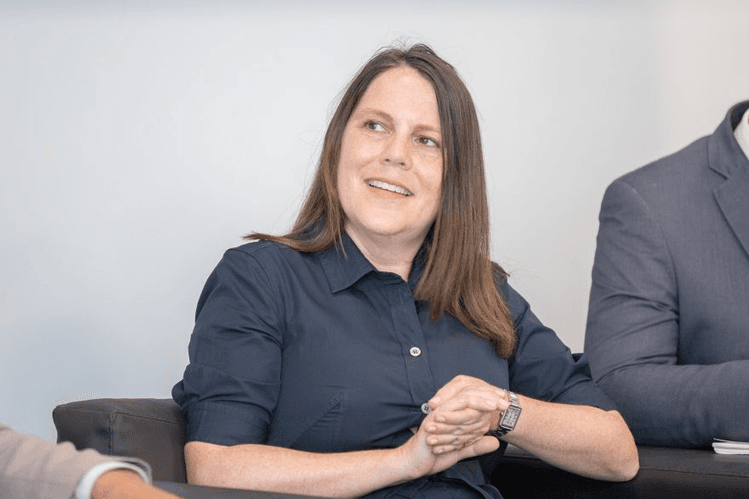
The regime of Daniel Ortega and Rosario Murillo denied Natasha Franceschi the United States Senate’s agrément hours after the Senate confirmed her as ambassador to Nicaragua.
Christopher Landau told the Organization of American States (OAS) foreign ministers’ consultation meeting that "Murillo and Ortega have continually closed the door to productive dialogue."

Franceschi promised to press the regime while seeking a negotiated solution, and she appeared before the Senate Foreign Relations Committee to pledge to maintain "diplomatic pressure" on Ortega and Murillo’s regime.
The reports also said the last American ambassador to Nicaragua was Kevin K. Sullivan, who concluded his mission in May 2023, and that the U.S. embassy has since operated under the charge d’affaires Kevin O’Reilly and then Elias Baumann.
OAS resolution and group
The OAS approved an extraordinary resolution at a meeting of foreign ministers in Washington that demanded Nicaragua hold elections and called for the unconditional release of political prisoners after Ortega announced that there will be no more elections in the country. Christopher Landau told the meeting that "Passing this resolution by consensus demonstrates our determination to tell this dictatorship: ‘we are all watching you,’" and the resolution also urged restoration of the separation of powers and disclosure of the whereabouts of the disappeared.
The OAS created a voluntary ministerial follow-up group on Nicaragua that must establish dialogue with Nicaraguan authorities and the opposition and present recommendations within 90 days. The resolution also set a framework for free, fair, and inclusive elections with an independent electoral administration and credible international observation, while it did not include concrete sanctions on the Ortega government and Rosario Murillo.
Sanctions, embassy closures
The OAS meeting discussed Washington’s sanctions and warned that the decisions of the central American government "have the potential to endanger peace and security in our region," while Brazil and Uruguay objected and left reservations in footnotes. Rosa María Payá described Nicaragua as a "police state" that uses its "transnational architecture" to intimidate and lash out at its nationals abroad, and the reports said the meeting did not include representatives from Nicaragua because the country left the Pan-American organization in 2023 by order of Ortega.
The Dominican Foreign Minister Víctor ‘Ito’ Bisonó announced his country’s decision to close its embassy in Nicaragua while "the conditions" of democracy’s deterioration persist. The resolution’s diplomatic pressure also intersected with the Franceschi episode, as the reports said the Nicaraguan government denied her entry visa, preventing her arrival at the diplomatic headquarters in Managua.