South America · updated 2h ago · 2 min read
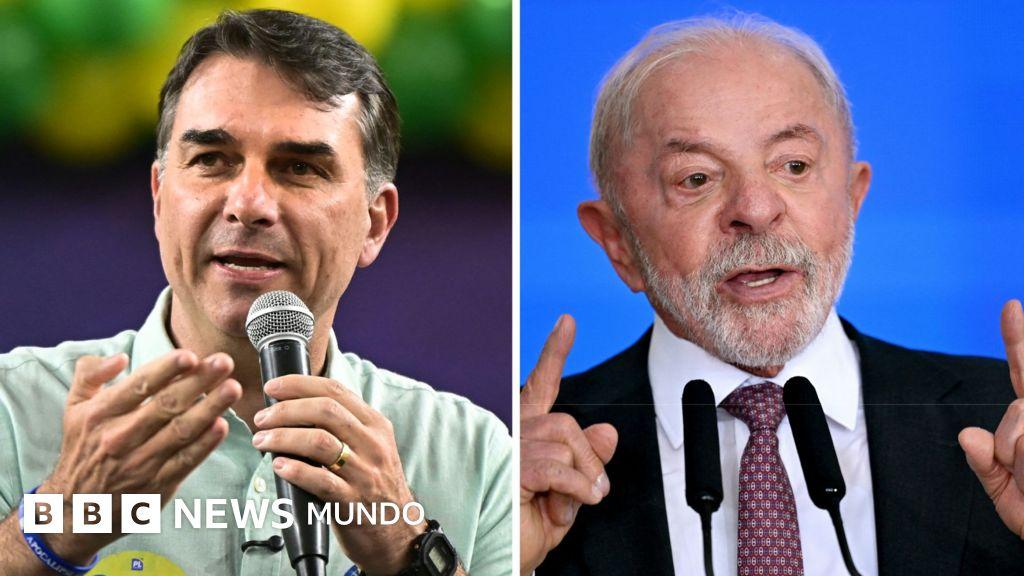
Lula da Silva and Flávio Bolsonaro Head to Brazil Runoff After No Majority
Neither Lula nor Bolsonaro won majority in the round, triggering a runoff on October 25. Bolsonaro led the first round, with Lula behind, setting up a tight runoff race.
Whether Lula can realistically overcome a runoff deficit.
8 of 9 outlets skipped it: bolsonaro pledges to join a Trump-led security alliance.
13outlets compared
Same story, two versions
tap a side to read it in full
CubaHeadlines
“Historically, a comeback in a second-round election has never happened in Brazil.”Read the original ↗
CubaHeadlines frames Lula’s runoff comeback as historically impossible, while NPR keeps the outlook open for a close rematch.
Runoff after no majority
Brazil’s presidential election moved to a runoff after Luiz Inácio Lula da Silva and Flávio Bolsonaro failed to surpass the 50% of valid votes required for an outright win, with the Superior Electoral Court confirming the second round on October 25. With 99.99% of the vote counted, Bolsonaro led with 47.03% of valid votes while Lula accumulated 45.16%, leaving a gap of about 2 million votes.
Creomar de Souza told BBC News Brasil that “It is a very, very difficult scenario for Lula,” as the analyst pointed to the historical difficulty of a comeback in a Brazilian runoff. Flávio Bolsonaro’s first statement framed the result as “the end of the Workers Party era,” while Lula said the outcome was “unexpected” and that he was convinced he would win in the first round.
Campaign messages and polarization
Flávio Bolsonaro told journalists in Rio de Janeiro that he was confident he could win in the first round, and he said, “I hope it’s enough to secure a victory in the first round.” Lula responded to the first-round result by warning voters about Bolsonaro’s political background, saying, “On the other side we have an uncertainty with a biography of a dark past.”
NPR reported that Bolsonaro pledged to carry on his father’s legacy, and it quoted Bolsonaro saying, “Brazil wants change, that's the reading of what happened today.” NLula told supporters, “Tomorrow we start a new campaign,” as the runoff campaign shifted to the three weeks both candidates would have to reach voters who did not support them in the first round.

What is at stake
The runoff on October 25 will decide whether Brazil’s next president is the 80-year-old Lula, seeking a fourth term, or the 45-year-old Flávio Bolsonaro, the son of former President Jair Bolsonaro. ETV Bharat said the electoral court in Brasilia set the runoff after neither candidate reached the majority vote needed for an outright win, with the court showing Bolsonaro with just over 56 million votes to Lula’s 53.7 million and 99.8 percent of the vote reported.
The New York Times said a Bolsonaro win would “usher in to power an enthusiastic Trump administration ally,” while it described Lula’s potential rebound as a rebuke to the Latin American right. The Economic Times said the winner will be in charge of Latin America’s biggest economy and a population of 214 million, and it framed the choice as whether Brazil would increase U.S. influence in Latin America or keep its distance from Washington and deepen its relationship with China.