Gaza Genocide11 October, 20262 min read
Israeli Forces Push Yellow Line Deeper Into Gaza, Forcing Palestinian Families To Flee
This article is an automated aggregation of coverage from news outlets. Our editorials offer in-depth analysis curated by the NewsCord team.
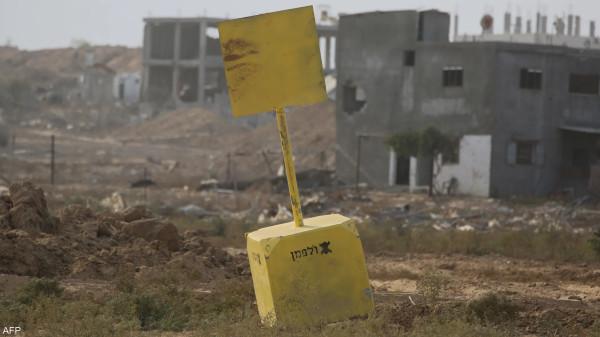
Israeli forces pushed the Yellow Line deeper into Gaza, forcing families to flee. The line's westward expansion is swallowing land, homes, and essential facilities, HRW warns.
5 outlets told this the same way.
Outlets did split on Thousands March in London Calling for Britain to Stop Arming Israel and Impose Sanctions →
Ynetnews was read line by line by the Watchdog: 2.9. See the score →
Yellow Line, more displacement
Israeli forces pushed their so-called Yellow Line deeper into Gaza, forcing Palestinian families to flee under heavy gunfire and shelling. Human Rights Watch said the Yellow Line has transformed into a moving frontier that advances westward, swallowing more land, homes, and vital facilities. Human Rights Watch warned that the area behind the “yellow line” now covers about 64% of Gaza’s area, while some 2.1 million Palestinians are squeezed into a shrinking space.
Human Rights Watch said residents are barred from returning to homes located in areas under Israeli control, as the organization linked the expansion to statements by Israeli officials about pushing Palestinians to leave the Strip. Human Rights Watch quoted Israeli officials describing the line as Israel’s “new border,” raising concerns that military arrangements intended to be temporary could become a permanent geographic reality.

Ceasefire anniversary, no safety
Human Rights Watch marked one year since the ceasefire agreement that came into effect on October 10, 2025, and said Israeli violations continued during the period. Human Rights Watch cited Gaza’s Health Ministry figures saying Israeli attacks since the agreement began killed at least 1,400 Palestinians and wounded 4,881 others. Sarah Sanger, a researcher for Israel and Palestine at Human Rights Watch, said the outside world may imagine that life in Gaza is returning to normal, while people continue to live in tents under bombardment with insufficient food or drinking water.
The Anadolu Ajansı report said most residents of Gaza still live in crowded displacement sites, among tents, rubble, and damaged buildings, while Israeli attacks continue. The Anadolu Ajansı report said the UN stated in September that most residents of the Gaza Strip, totaling about 2.1 million, live in crowded displacement sites.

Stakes: borders, rebuilding, accountability
Human Rights Watch warned that continuing to move the “yellow line” could entrench a reality in which the sector’s borders are imposed by force rather than ceasefire arrangements.
Human Rights Watch called on the international community to take urgent steps to protect civilians, reject forced displacement and ethnic cleansing, ensure accountability for violations, and create conditions for rebuilding the sector.
The Anadolu Ajansı report said the agreement entered into force on October 10, 2025, with mediation by Egypt, Qatar, Turkey, and the United States, based on a 20-point plan announced by U.S. President Donald Trump on September 29.
The Anadolu Ajansı report said the plan was endorsed by the Security Council in Resolution 2803 on November 17, and it called for a halt to the war, gradual Israeli withdrawal, prisoner exchange, increased aid, and reconstruction.
The Anadolu Ajansı report said the agreement did not lead to a halt in Israeli attacks, and it cited Gaza’s Health Ministry figures as of September 22, 2026 reporting 1,399 Palestinians killed and 4,863 others injured since October 11, 2025 due to Israeli violations.