Israeli Politicsupdated 1h ago3 min read
Archive photo · 12 March 2026Thousands Rally in Tel Aviv for Gadi Eisenkot to Form Government With Arab Parties
“Eisenkot, however, has indicated he is open to working with anyone who agrees to four conditions on Israeli sovereignty and opposition to Hamas,”
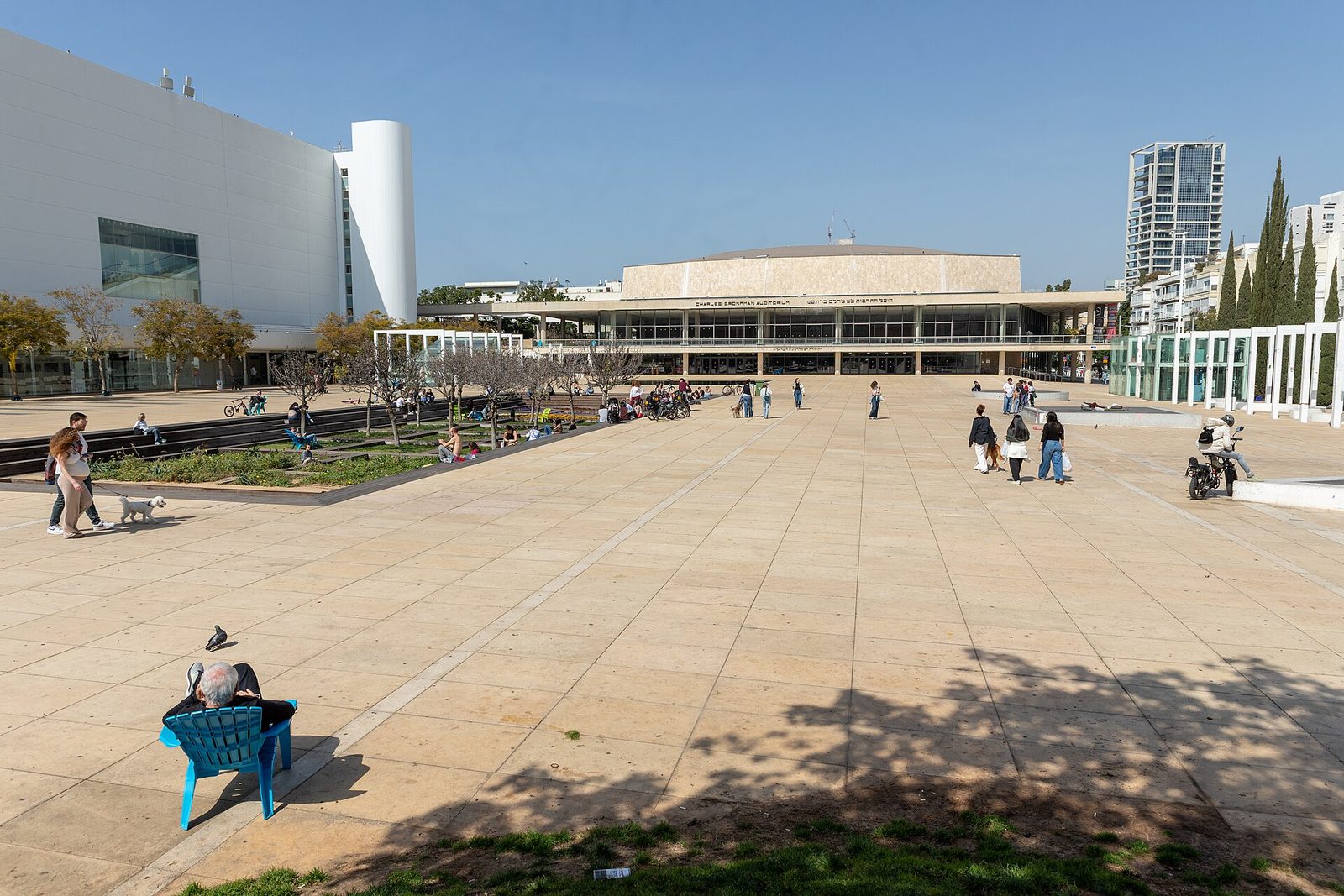
“Thousands of Israelis descended on Habima Square in Tel Aviv this weekend to urge Gadi Eisenkot,”
Photo: Oren Rozen, CC BY-SA 4.0 · Cropped for layout
This article is an automated aggregation of coverage from news outlets. Our editorials offer in-depth analysis curated by the NewsCord team.
Arab parties back Eisenkot bloc after elections, expanding opposition and their 19 seats Thousands rallied in Tel Aviv urging Eisenkot to form government with Arab parties
Save coverage image
Habima Square standoff
Thousands of Israelis gathered in Habima Square in Tel Aviv to urge Gadi Eisenkot to form a government with Arab parties that could topple Prime Minister Benjamin Netanyahu. Some protesters banged on drums and decried what they saw as pervasive anti-Arab racism in Israel, while others waved placards in Hebrew and Arabic declaring, “Arabs and Jews will only win together.” The election results left Netanyahu’s bloc set to hold 53 seats in a 120-member Knesset and Eisenkot’s opposition bloc set to hold 48 seats, with Arab parties holding 19 seats.
Four days after a historic election, two visions for Israel’s political future collided in a downtown plaza, as the coalition talks turned on whether Arab parties would back Eisenkot’s bloc. Israel’s Arab parties, which won a record-breaking 19 seats in last week’s general elections, were set to back Eisenkot’s bloc, further trampling Netanyahu’s chances of leading another government.
Herzog consults, Netanyahu resists
President Isaac Herzog urged Israel’s political parties to enter negotiations on forming a new government with an “open heart,” as he prepared to consult with factions after an uncertain election result. Herzog said, “I hope the representatives will come with an open mind, and today I add: with an open heart,” and he called on leaders to “stop climbing and face this reality.” Netanyahu has claimed repeatedly and without proof that Arab parties committed fraud during the elections with foreign backing, and Israeli election officials said the vote would not be undermined.
Netanyahu wrote that “The Israeli public does not want a government that depends on Ra'am and the Joint List, parties that support terrorism and reject the existence of the Jewish state,” as it framed a race to 61 Knesset seats. NBC News said Netanyahu continued to attack the Arab parties, accusing them of holding stances on Gaza and the West Bank he considers unacceptable, while Eisenkot indicated he was open to working with anyone who agreed to four conditions on Israeli sovereignty and opposition to Hamas.
Coalition math and next steps
The main Jewish opposition bloc, which includes four parties, fell short of the 61 seats needed to form a majority in the Knesset, and joining forces with the two main groups that represent Palestinian citizens of Israel could help avoid a political deadlock and another election. The two main blocs were below the 61 seats needed for an absolute majority, obliging negotiation of possible alliances to form a government, and Arab parties were described as a decisive factor in determining the person tasked with trying to form the government. Protesters in Tel Aviv urged Eisenkot to form a government with Arab parties that could topple Netanyahu, while others insisted “Arabs and Jews will only win together.”
Opposition party leaders reportedly agreed that their first move after the new Knesset is sworn in on November 10 would be to oust Knesset Speaker Amir Ohana. President Isaac Herzog plans to summon representatives of the parties elected to Israel's 26th Knesset to his official residence as early as Wednesday, November 4, to begin the process of forming the country’s next government, with the election results leaving Netanyahu’s bloc with 53 seats, Eisenkot’s bloc with 48, and the two Arab parties with a combined 19.