Donald Trump Reaffirms U.S. Control as Iran Demands Asset Release to Reopen Strait of Hormuz
Trump says the United States fully controls the Strait of Hormuz. Iran demands conditions to reopen Hormuz and promises to keep it closed otherwise.
Beat 1 · The verdict
How much oil actually flows out of/through Hormuz
Full story
Hormuz stays shut
U.S. President Donald Trump reaffirmed American full control over the Strait of Hormuz as Tehran said the waterway would remain closed unless Washington accepts its terms to end the war.
“Brent futures rose 1.4% to settle at $88.91 a barrel”
Mohsen Rezaei, secretary of Iran’s Supreme National Security Council, said on Tuesday that the Hormuz Strait would remain closed unless the United States accepts Iran’s conditions, including releasing Iranian assets frozen abroad and ending wars in the region, including Lebanon and Gaza.
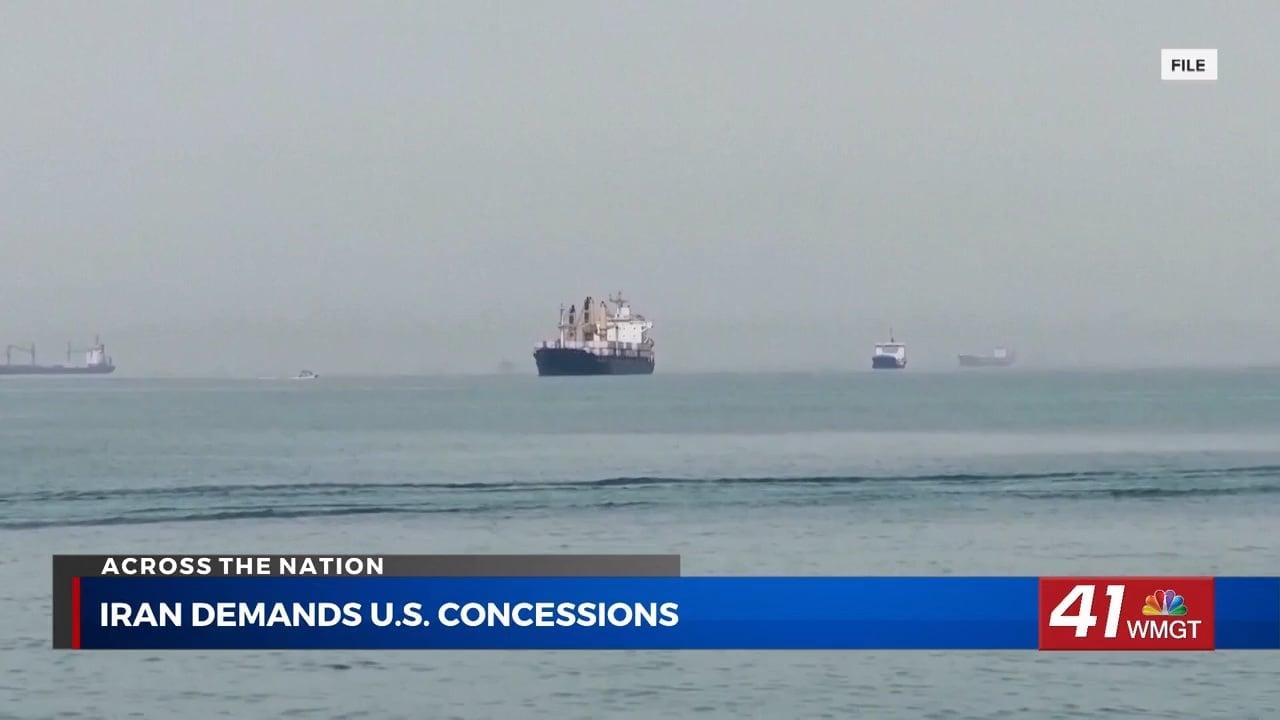
The dispute unfolded as the United States and the Yemen-based Houthi movement announced two separate attacks on ships in the Gulf of Oman leading to the strait and at the entrance to the Red Sea.
Reuters said oil prices rose and global stocks fell as pessimism about a quick resolution returned, with Brent futures rising 1.4% to settle at $88.91 a barrel and U.S. West Texas Intermediate rising 1.3% to $83.20.
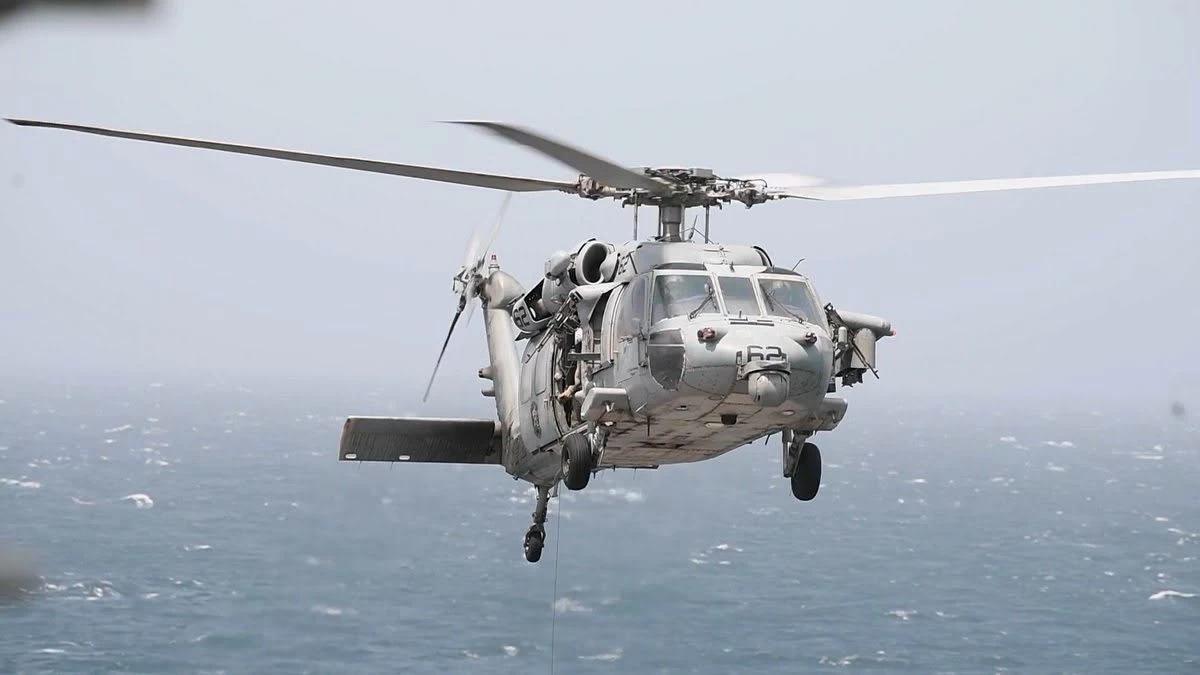
In parallel, the U.S. military said a Navy MH-60 helicopter fired two Hellfire missiles to disable the navigation system of a Panama-flagged cargo ship after it ignored repeated warnings to stop violating the naval blockade imposed on Iranian ports.
Attacks and blockade
Reuters reported that the Yemeni Transport Ministry said four crew members of a small cargo ship were killed in an attack suspected to have been carried out by Yemen’s Houthi group in the Bab al-Mandab Strait.
The Saba News Agency, controlled by the Houthi group, said the group “targeted a ship transporting military equipment for Saudi Arabia” in the Bab al-Mandab Strait, without naming the vessel.

The United States said it attacked a Panama-flagged vessel in the Gulf of Oman after the crew ignored repeated stop warnings from U.S. forces enforcing the blockade, and Reuters sources said the ship was struck off the coast of Pakistan while sailing into the Gulf of Oman.
In a separate account, the U.S. Central Command said an MH-60 helicopter fired two Hellfire missiles at the ship’s engine room after its civilian crew ignored repeated warnings, and CENTCOM added that since August 11 it has redirected 55 commercial vessels attempting to breach the blockade, disabled 3 non-compliant ships, and boarded two other vessels.
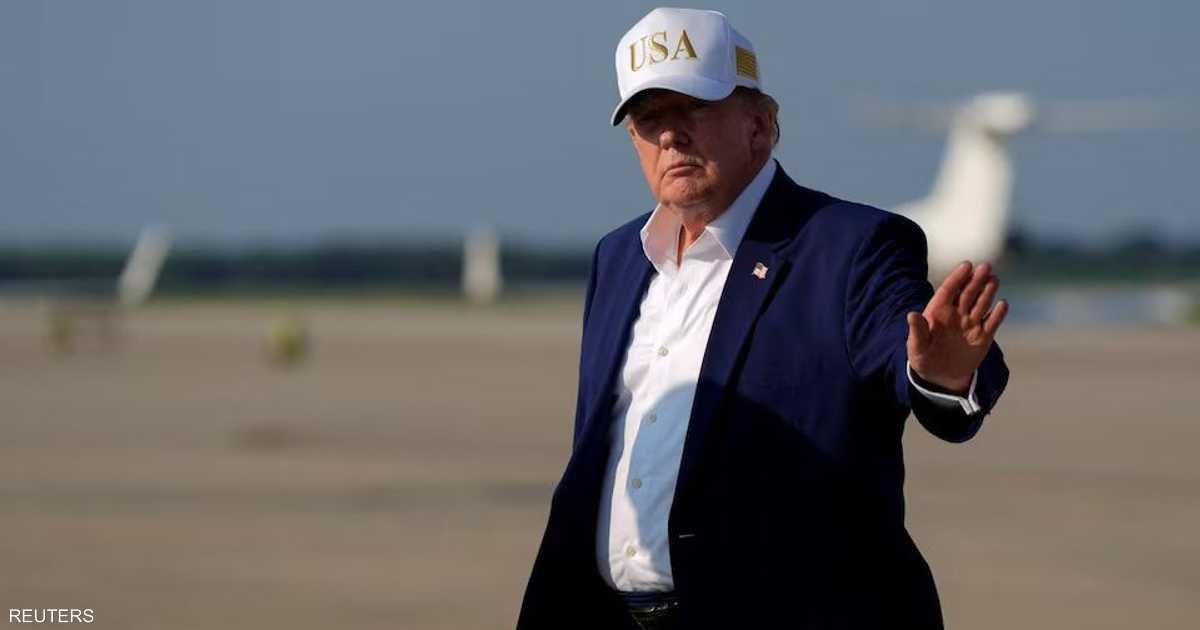
The Reuters report also said Trump told reporters that the Iran file “is going very well indeed,” and he added, “We have complete control of the Hormuz Strait… nobody else but us, only us.”
Oil market stakes
The dispute over Hormuz and the blockade pressure fed directly into energy pricing, with teleSUR saying Brent crude futures for October delivery rose 2.46% to trade at $89.88 per barrel after briefly touching $90.02.
“Brent crude futures for October delivery rose 2.46% to trade at $89.88 per barrel”
teleSUR also said the U.S. WTI for September delivery increased 2.67% to $84.32 per barrel as talks between Washington and Tehran stalled and fears of supply disruption grew.
In the Reuters account, the same day’s rhetoric and attacks coincided with Brent futures up 72 cents to $89.63 a barrel by 00:53 GMT, while global stocks fell amid pessimism about a quick resolution.
The IndexBox compilation framed the stakes in terms of conditions for reopening, quoting Rezaei that “As long as America does not change its behavior and accept Iran’s terms, the Hormuz Strait will not be opened.”
Against that backdrop, Reuters reported that before the war about five global oil and natural gas flows passed through the waterway, underscoring why the standoff over passage terms and blockade enforcement remained central to market expectations.
Story read · 11 outlets · 1 disagreement · 1 fact unevenly covered
Keep reading
Donald Trump Confirms Secret Plane Switch in Turkey After Iran Threat
19 sources compared →
Trump Says Secret Service Ordered Plane Swap in Ankara After Iranian Assassination Threat
how 21 outlets framed it →
ICE Plans Up To $20 Million Electric Shock Gloves For Officers, DHS Procurement Says
how 17 outlets framed it →
The divide
How much oil actually flows out of/through Hormuz
“oil departing the Strait of Hormuz now approaches 9 million barrels per day”
Read at source →“overall volume at 4-6 million barrels per day, not 9 million”
Read at source →Conflicting flow estimates imply different market impact and risk assessments.
Coverage map
West Asian (3)
Western Mainstream (3)
Local Western (1)
Western Alternative (1)
Other (1)
Latin American (1)
Israeli (1)
How each outlet frames it
Every outlet we compared, the headline it ran, and a link to the original article.
Local Western
Iran lays out demands to reopen Strait of Hormuz as tensions with U.S. continue
10 August, 2026
West Asian
Washington and Tehran exchange threats and declare control over Hormuz
12 August, 2026
Iranian official: The Hormuz Strait will remain closed unless Washington meets Tehran’s terms
11 August, 2026
Washington disrupts a ship that attempted to breach Iran’s blockade… and an intelligence assessment: Hormuz is Tehran’s priority
12 August, 2026
Western Mainstream
Donald Trump: I do not trust Iran and we completely control the Strait of Hormuz, Tehran pledges to keep the strait closed
12 August, 2026
Iran-U.S. Dispute Over Strait of Hormuz: Rezaei's Conditions and Oil Market Impact - News and Statistics
12 August, 2026
Western Alternative
Hormuz Shipping Traffic Falls to One-Week Low Amid Middle East Tensions
12 August, 2026
Other
Oil prices rise as Hormuz tensions, supply disruptions persist
12 August, 2026
Latin American
Oil price remains on the rise amid tensions between Iran and the U.S.
11 August, 2026
Israeli
Pakistan says US, Iran nearing deal as Hormuz tensions persist and oil prices fall
11 August, 2026
NewsCord Digest
Get every USA story like this one, in one email
Daily or weekly, only the topics you follow, each with the difference our analysis found across the outlets covering it.
Set up your digestMore on USA

Donald Trump Confirms Secret Plane Switch in Turkey After Iran Threat
19 sources compared
Trump Says Secret Service Ordered Plane Swap in Ankara After Iranian Assassination Threat
21 sources compared
ICE Plans Up To $20 Million Electric Shock Gloves For Officers, DHS Procurement Says
17 sources compared

Christopher Luxon Survives New Zealand National Party Caucus Confidence Vote in Wellington
10 sources compared