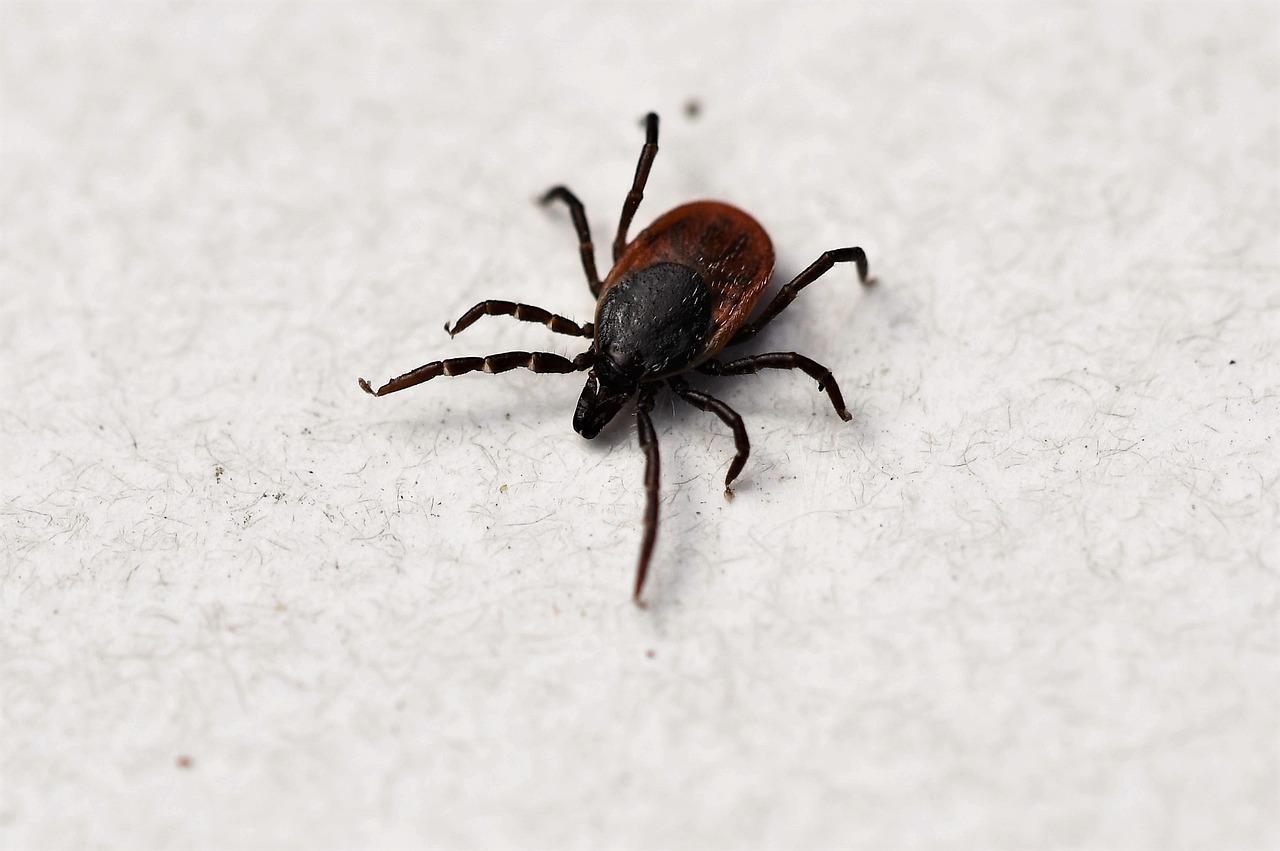
Tick Bites Surge Across United States, Driving Highest Emergency Room Visits Since 2017
Key Takeaways
- Tick bites trigger alpha-gal syndrome, causing red meat allergy.
- Rising tick activity increases risk of tick-borne illnesses in US and Europe.
- Higher exposure may yield more tick-borne infections.
Tick season strains care
A surge in tick bites across the United States has driven unusually high visits to emergency rooms, prompting concern that it could be a bad year for tick-borne diseases.
“In some parts of the US, up to 30 percent of people may carry the antibody behind a red meat allergy spurred by tick bites, far exceeding the estimated number of people who actually have the allergy, according a study published in Morbidity and Mortality Weekly Report”
Doctors and CDC experts pointed to early signals and timing, with infectious-disease specialist Alina Filozov saying, “Si hay muchas exposiciones, probablemente habrá más casos de infecciones relacionadas con garrapatas”.
CDC expert Alison Hinckley said, “Los datos nos dicen que este es el momento de actuar”, warning that “Las garrapatas están ahí fuera y la gente está siendo picada”.
The CDC tracking system shows that weekly emergency-room visit rates for tick bites are the highest for this time of year since 2017, and the pattern appears across regions except the “zona centro-sur de Estados Unidos”.
The article notes that about 85% of U.S. emergency departments send data to the CDC surveillance system, but it does not include people who do not go to a hospital, meaning researchers will need months to sample ticks systematically and determine whether Lyme disease or other conditions are truly increasing.
Alpha-gal allergy after bites
Beyond Lyme, tick bites are also linked to alpha-gal syndrome, an allergy to red meat, with the CDC reporting that between 2010 and 2022 more than 110,000 suspected cases were believed to have been identified.
The CDC also stressed that in the United States, around 450,000 people could be affected by alpha-gal syndrome, and the article says the condition may be unknown to many health professionals and patients, which would help explain why tests are not frequently performed.

Ann Carpenter, a CDC scientist, said, “Health professionals should be aware of it in order to examine patients accordingly, diagnose them, manage their care, and also teach them how to prevent tick bites”.
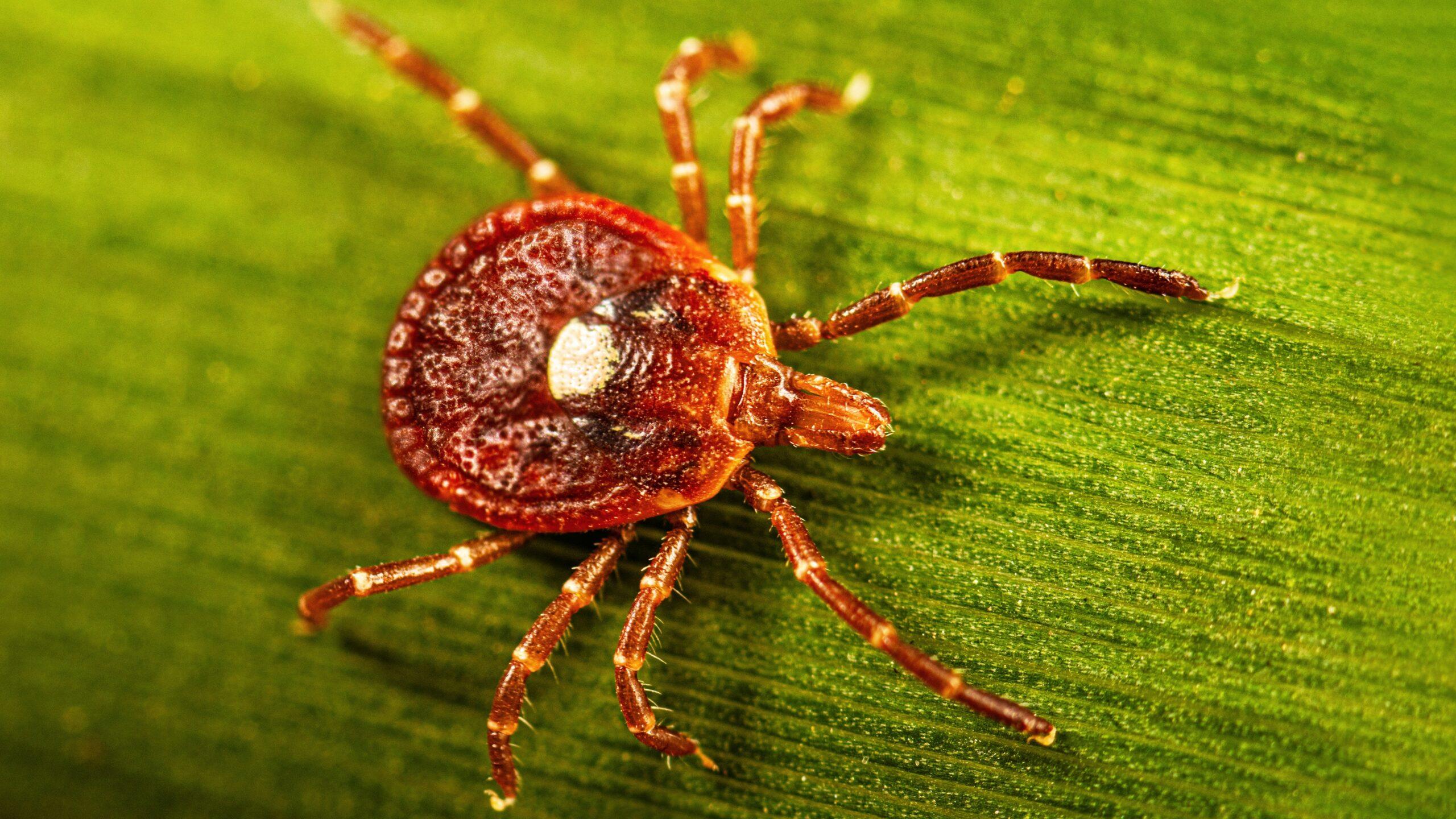
The syndrome is mainly triggered by the lone star tick, Amblyomma americanum, and the article describes symptoms that can include dizziness, diarrhea, or skin rashes.
The article adds that in Europe, ticks are carrying an increasing number of viruses, including the Alongshan virus (ALSV) first detected in China several years ago, with the pathogen found in ticks in Finland, France, Russia and Switzerland as reported by the Centrum für Reisemedizin (CRM) based in Düsseldorf.
Misinformation meets evidence
In Spain and online, social networks have circulated TikTok videos claiming that ticks recently arrived in Spain and that eating a hamburger could make someone “dead”, while also tying the story to conspiracies about Bill Gates and the World Economic Forum.
La Vanguardia says the claim is “MISLEADING” and argues that ticks that cause alpha-gal syndrome have existed and been known since 2009, with documented clinical cases in the United States and Spain.
The outlet also points to the CDC warning that almost half a million Americans had developed alpha-gal syndrome between 2010 and 2022, and it says the most common tick species in the United States is Amblyomma americanum.
Ars Technica adds that a study published in Morbidity and Mortality Weekly Report found that in some parts of the US, “up to 30 percent of people may carry the antibody behind a red meat allergy spurred by tick bites”.
Ars Technica contrasts that with the CDC’s prior estimate of only 0.14 percent of the US population (up to 450,000 people) having the allergy, and it describes how the antibody survey approach and the disease’s delayed onset can complicate diagnosis and make the stakes for accurate identification high.
More on Technology and Science

World Meteorological Organization Warns El Niño Will Strengthen Into Strong Event July-September
16 sources compared

Google Schedules August 12 Made by Google Event in New York City for Pixel 11 Lineup
22 sources compared

12-Year-Old Fabiana Blanco Rescued After 32 Hours Trapped Under Venezuela Earthquake Rubble
22 sources compared

Wildfire Forces 10,000 Evacuations in Southern France Near Spanish Border
13 sources compared