Technology and Scienceupdated 1h ago2 min read
Archive photo · 22 August 2024TikTok “Ferritin Face” Trend Sparks Doctors’ Warning Against Visual Diagnosis
“no specific facial appearance that reliably indicates someone’s ferritin levels and you cannot diagnose iron deficiency by simply looking in the mirror.”
“Which is why I have put my whole family on iron supplements, and I believe you should, too.”
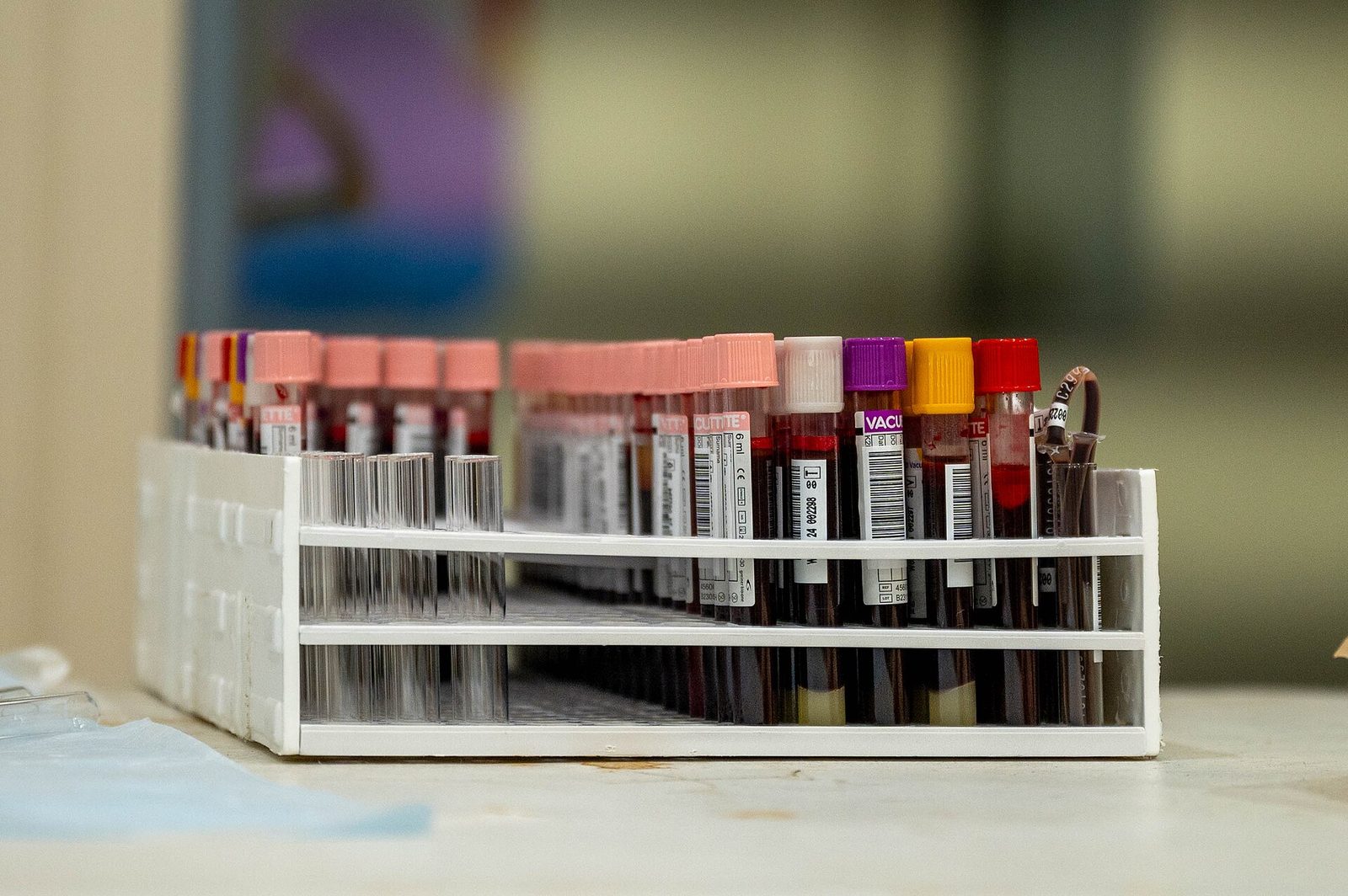
Photo: U.S. Air Force photo by Airman 1st Class Jarrett Smith / US federal government, Public domain · Cropped for layout
This article is an automated aggregation of coverage from news outlets. Our editorials offer in-depth analysis curated by the NewsCord team.
TikTok and Instagram trend links dark circles and pale skin to low ferritin levels. Medical community warns diagnosing ferritin deficiency from appearance is not reliable.
Save coverage image
Viral claim meets medicine
TikTok and Instagram users promote the trend “Ferritin Face” or “Ferritin-ized Face,” pairing before-and-after photos with claims that low ferritin changes skin color, dark circles, hair, and facial appearance.
Lucy AM, a 32-year-old woman who posts about hair loss under the username “marvluceskin,” said her blood test showed her ferritin level was only 12 micrograms per liter after fatigue, palpitations, and hair loss.
Dr. Sebastián Berroeta, a medical nutritionist and director of the Nueva Estoril Medical Center, rejected the idea of a visual diagnosis and said, “It is not possible to determine ferritin levels by looking at the face.”
Aziza Sesay, a general practitioner in the West Midlands, United Kingdom, framed the trend as non-diagnostic by saying, “A ferritin-faced look is not a medical diagnosis.”
The reporting emphasized that ferritin is a protein that stores iron in the body and that measuring its level in the blood is how clinicians assess iron stores, with iron stores able to be depleted before hemoglobin drops.
Symptoms, self-treatment risks
The trend’s visual cues, including dark circles, extreme paleness, and a tired appearance, prompted some users to seek blood tests and ferritin checks, but doctors warned that appearance alone cannot diagnose iron deficiency.
Dr. Sebastián Berroeta warned that self-medication is the “greatest danger” and said, “Taking more vitamins or minerals does not mean greater benefits.”
The reporting also tied the trend to side effects from unnecessary supplements, with the specialist warning that ingesting iron unnecessarily causes constipation and abdominal pain.
The article on the BBC-linked discussion quoted hematologist Drew Provan describing a mismatch between appearance and lab values, saying, “You don’t have iron stores, but you maintain your hemoglobin levels.”
The coverage stressed that diagnosing iron deficiency requires blood tests, including ferritin measurement, and that clinicians may also order a complete blood count and other indices to confirm the condition and guide treatment.
What’s at stake next
Chilean doctors linked the trend’s misinformation to broader health consequences, noting that the National Health Survey presented in a report by the Institute of Nutrition and Food Technology (INTA) in 2022 found a prevalence of anemia of 6.4% among Chilean women aged 15 to 49.
Dr. Sebastián Berroeta said iron reserves can gradually decrease and manifest as persistent fatigue, difficulty concentrating, or lower tolerance for physical exercise, mainly affecting women with heavy menstrual periods and pregnant women.
The reporting also said that even when ferritin is low, treatment requires investigating the source of blood loss or intestinal absorption problems, rather than relying on the “superficial solutions promised by internet trends.”
In the UK-focused discussion, Drew Provan said it was “impossible” to determine a person’s ferritin levels based on facial appearance, and he explained that severe anemia may look pale while fatigue can contribute to dark circles.
The coverage concluded that the trend’s promise of a face-based shortcut can delay diagnosis of other diseases, while clinicians emphasized that persistent symptoms such as fatigue, weakness, shortness of breath, palpitations, and hair loss warrant medical evaluation and blood testing.